/
•
•
Detailed stories on technology startups, business and economic current affairs.
Genetically modified green people with chlorophyll are being imagined as a way to get around the need for resources during extended spaceflight.



Editor's note: All flesh is grass, and all grass is captured sunlight. More than two billion years ago, single-celled organisms began the process of harvesting energy from sunlight through photosynthesis and releasing oxygen as a byproduct. Oxygen makes our air breathable, but back then, it was toxic to several life forms and caused a mass extinction event, wiping out anaerobic forms of life. More than a billion years ago, a single-celled ancestor of modern plants swallowed one of these photosynthetic factories and didn’t digest it. Instead, it kept these forerunners of chloroplasts. Since then, algae and plants have been using these factories to transform carbon dioxide into carbohydrates. Could we, in turn, bypass the need to eat plants or their stored products and harness the power of photosynthesis directly? Some animals with simpler energy requirements than humans have been shown to get energy (at least for a while) from photosynthesis. More recent work (which I’ll talk about in a bit) has found that photosynthetic microbes can be used to provide oxygen to certain kinds of cells. Scientists have also calculated how much …

Genetically modified green people with chlorophyll are being imagined as a way to get around the need for resources during extended spaceflight.
Editor's note: All flesh is grass, and all grass is captured sunlight. More than two billion years ago, single-celled organisms began the process of harvesting energy from sunlight through photosynthesis and releasing oxygen as a byproduct. Oxygen makes our air breathable, but back then, it was toxic to several life forms and caused a mass extinction event, wiping out anaerobic forms of life. More than a billion years ago, a single-celled ancestor of modern plants swallowed one of these photosynthetic factories and didn’t digest it. Instead, it kept these forerunners of chloroplasts. Since then, algae and plants have been using these factories to transform carbon dioxide into carbohydrates. Could we, in turn, bypass the need to eat plants or their stored products and harness the power of photosynthesis directly? Some animals with simpler energy requirements than humans have been shown to get energy (at least for a while) from photosynthesis. More recent work (which I’ll talk about in a bit) has found that photosynthetic microbes can be used to provide oxygen to certain kinds of cells. Scientists have also calculated how much …
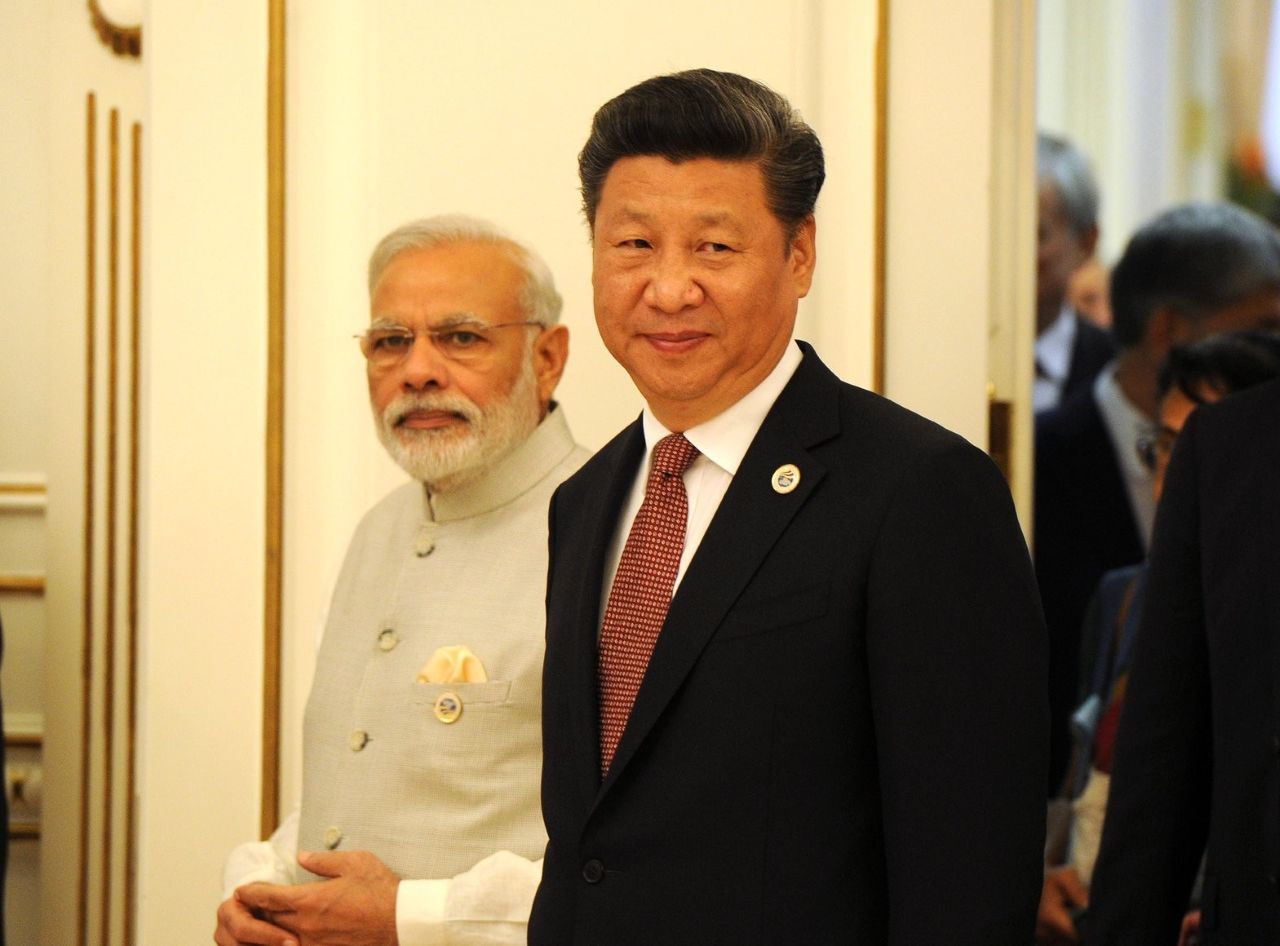

For a country aspiring to be a superpower, with more than 250 million children in schools, India’s reluctance to participate in an international student assessment study is confounding.

Besides helping India draw level with China in lunar exploration, the mission could help make it a contender in the lunar economy sweepstakes

Reading books has a way of stimulating social imagination. Science fiction does this in a very specific way—it anchors the aspirations of a class of founders, corporate leaders, inventors and futurists.
For a country aspiring to be a superpower, with more than 250 million children in schools, India’s reluctance to participate in an international student assessment study is confounding.
Besides helping India draw level with China in lunar exploration, the mission could help make it a contender in the lunar economy sweepstakes
Reading books has a way of stimulating social imagination. Science fiction does this in a very specific way—it anchors the aspirations of a class of founders, corporate leaders, inventors and futurists.