/
•
•
Detailed stories on technology startups, business and economic current affairs.
A strategic response is needed to tackle the burgeoning trade deficit with China, which reached alarming proportions at $101.02 billion in 2022. What we have instead is a dose of whataboutery from the government.



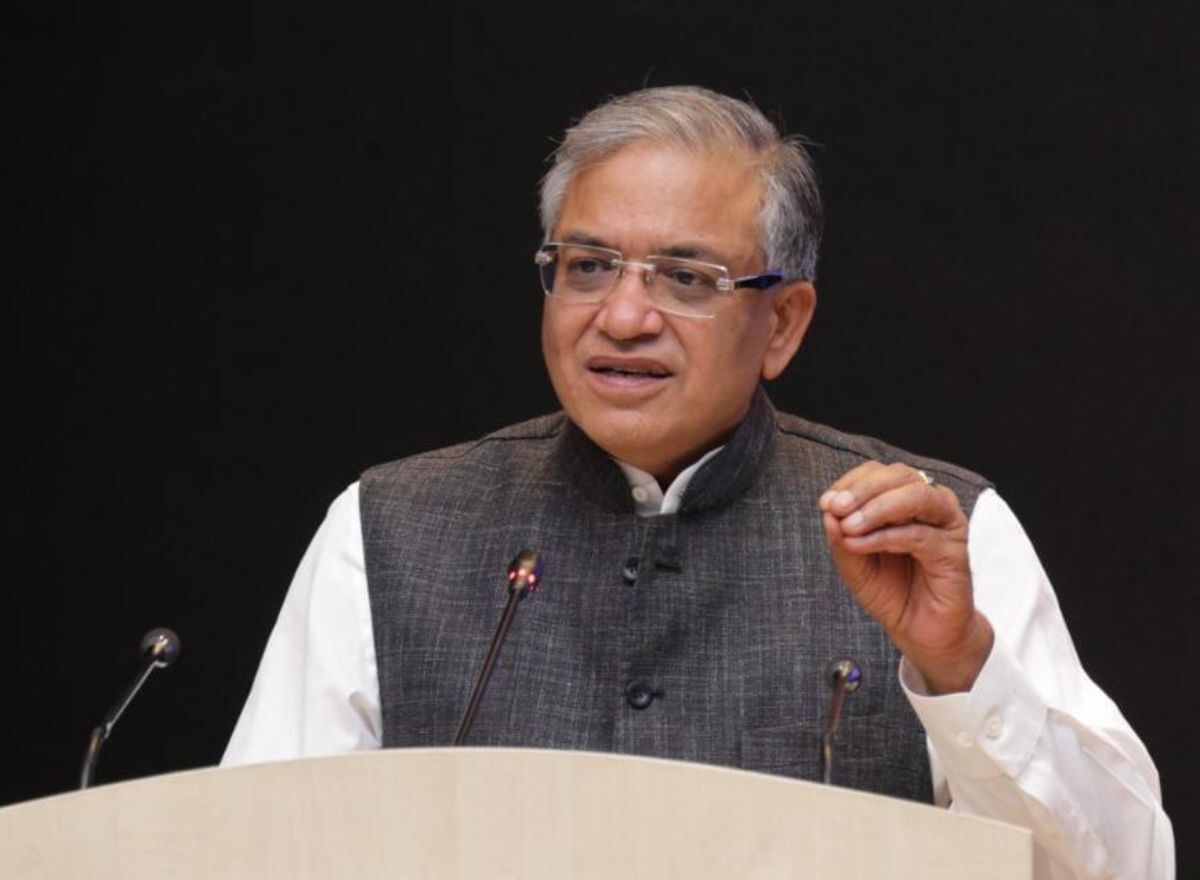
For the first time since India lost 20 soldiers in a deadly clash with China’s People’s Liberation Army at Galwan in June 2020, China’s defence minister was in Delhi last week. Li Shangfu was attending the Shanghai Cooperation Organisation meeting of defence ministers and held a bilateral meeting with his Indian counterpart Rajnath Singh.
Later this week, China’s foreign minister Qin Gang is scheduled to be in Goa, to attend the SCO meeting of foreign ministers. He was last in India in March for the G20 foreign ministers meeting where he met foreign minister S. Jaishankar. China’s President Xi Jinping, …

The newly announced levy on UPI payments undermines the very foundation of using digital payments for stock market investing. Brokers are in a tizzy.
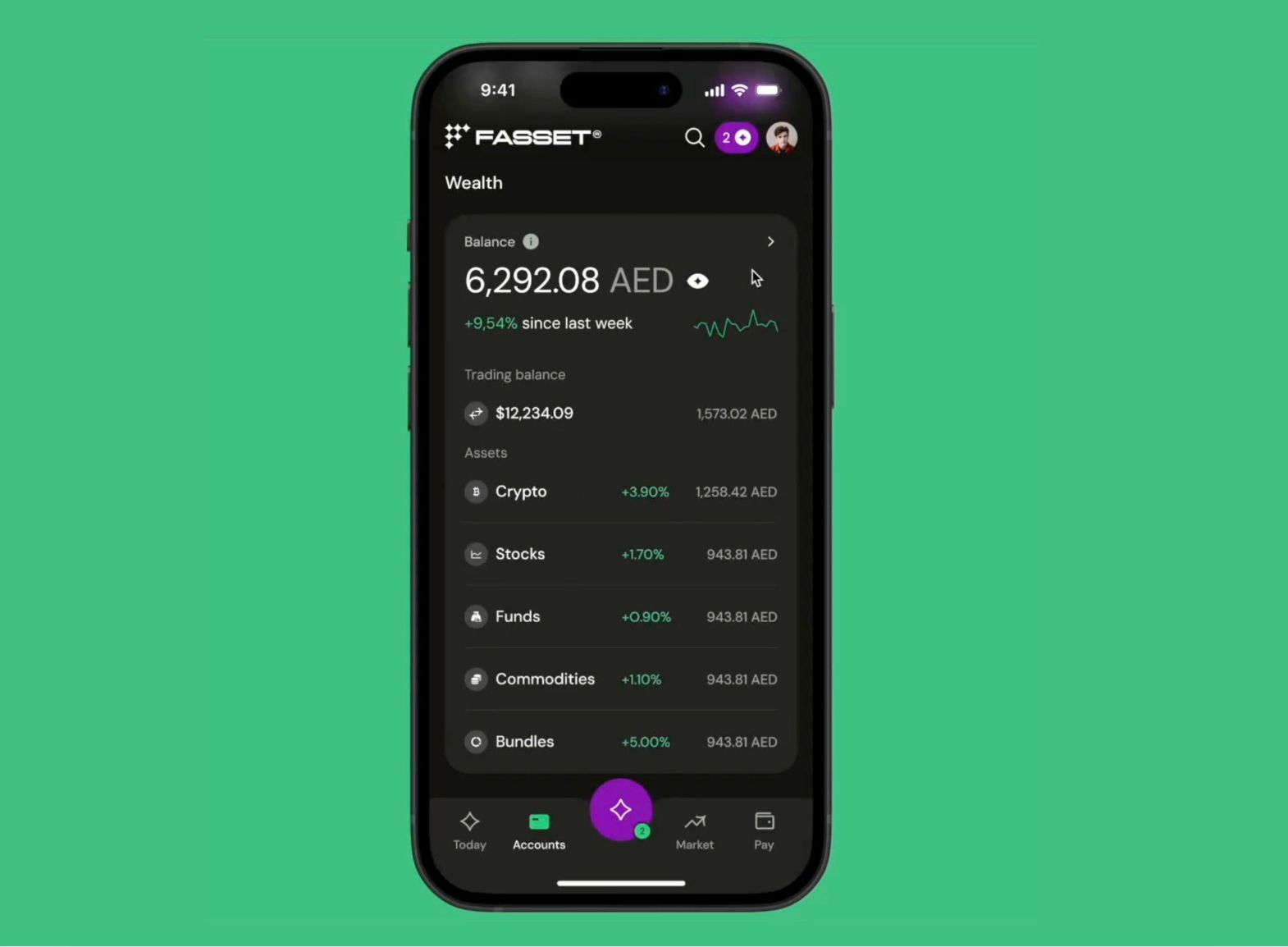
The stablecoin neobank has raised more than $100 million this year; Saudi Arabia is looking at stock market reforms; and other updates from the week.
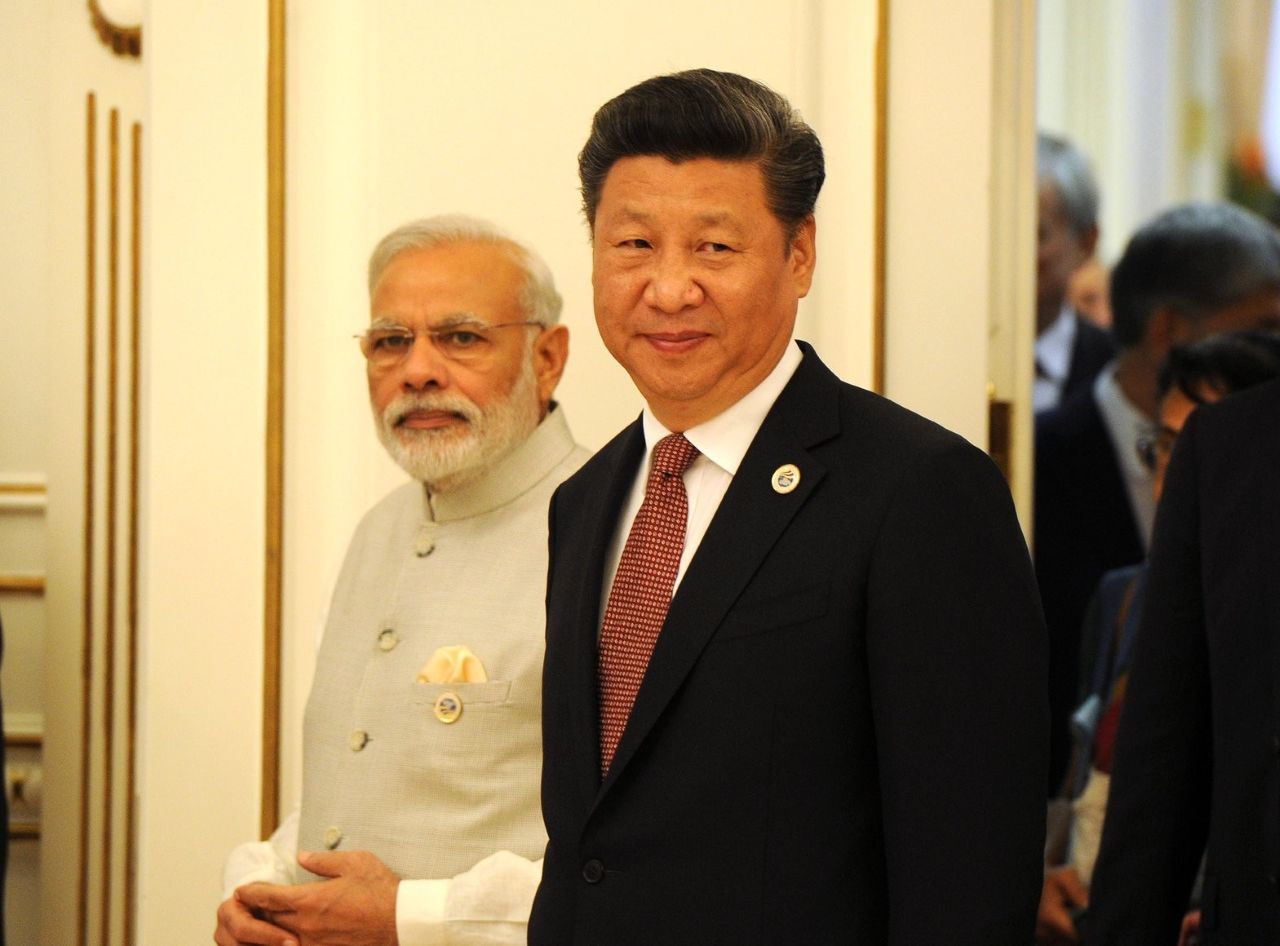
Chinese diplomats to India are saying all the right things for Indian ears, but Beijing’s policy actions are moving in the opposite direction.