/
•
•
Detailed stories on technology startups, business and economic current affairs.
The reasons for the change in India’s stance towards the Taliban are all tactical. In the absence of strategic engagement, they raise serious questions about New Delhi’s long-term goals.



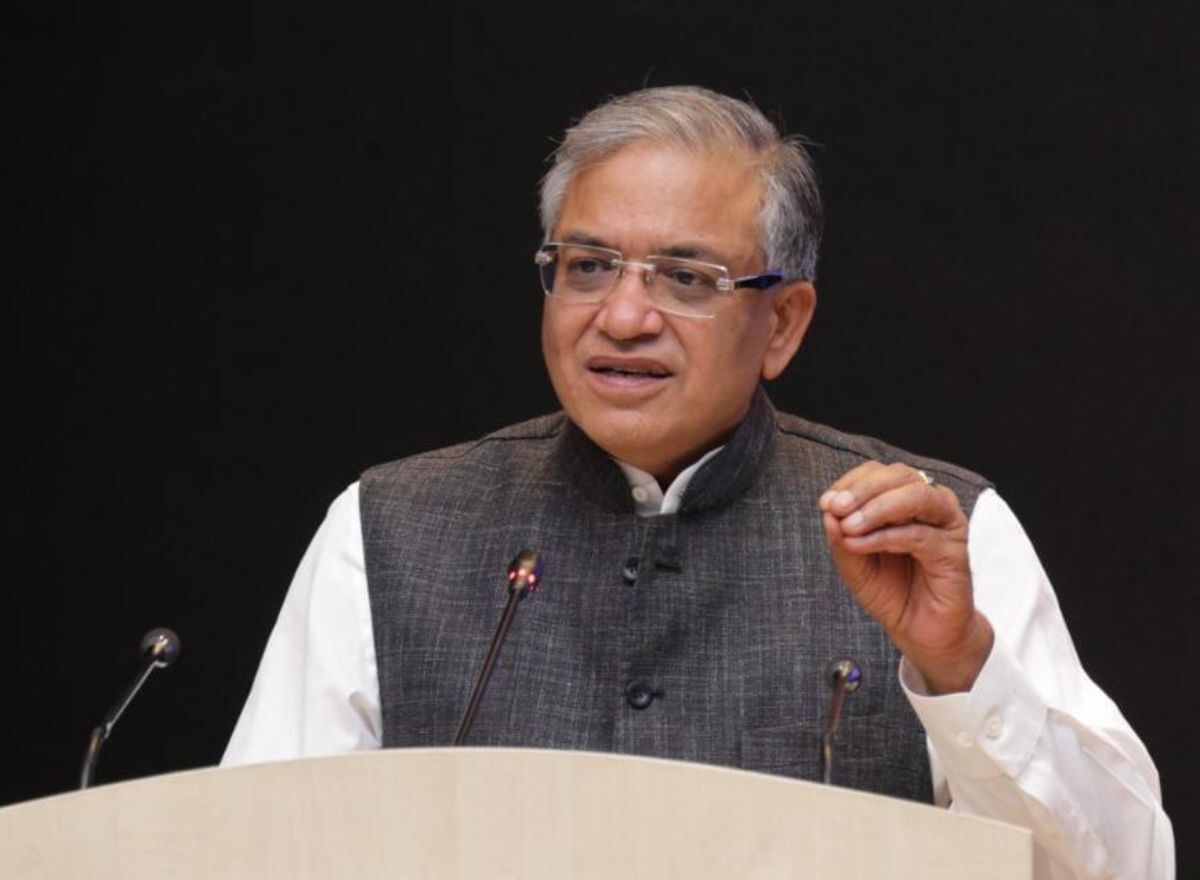
Such is the state of poverty and hunger in Afghanistan that parents are giving their hungry children tranquilizers and sleeping pills to help them sleep. In their desperate quest for survival, others have sold their daughters and their own organs, the BBC reported last month. The country is in the grip of a full-blown humanitarian crisis in the second winter since the Taliban took over following the sudden exit of US-led NATO forces. The Indian government’s claim, first made last year as it engaged with the Taliban, that it is providing humanitarian assistance to the Afghan people thus makes sense. …


As part of a wider push to encourage transparency in the market, the CMA’s latest proposal seeks more clarity on how private capital moves around in the country.

The UAE is looking at its first public listing of the year while Egypt just delivered a big one; OpenAI’s bugging accused has ties to Saudi Arabia; and other updates from the week.

Falling sales, a price correction and more cautious buyers mark a sharp shift in Dubai’s property market as regional conflict drags on.