/
•
•
Detailed stories on technology startups, business and economic current affairs.



In some senses, there’s a parallel endgame being played out in India compared with the US and North America where the gig economy is concerned. (And before you ask, no, neither scenario has been contemplated by Dr Strange.)
As Pradip hinted at in his story on the mental and financial strain gig workers face, it’s becoming increasingly apparent that the gig economy is the rather crumbly foundation on which billion-dollar businesses are building their delivery empires. And somehow, independent of worker conditions, more and more companies are making plays that seem to be relying on temp workers, as the gig …
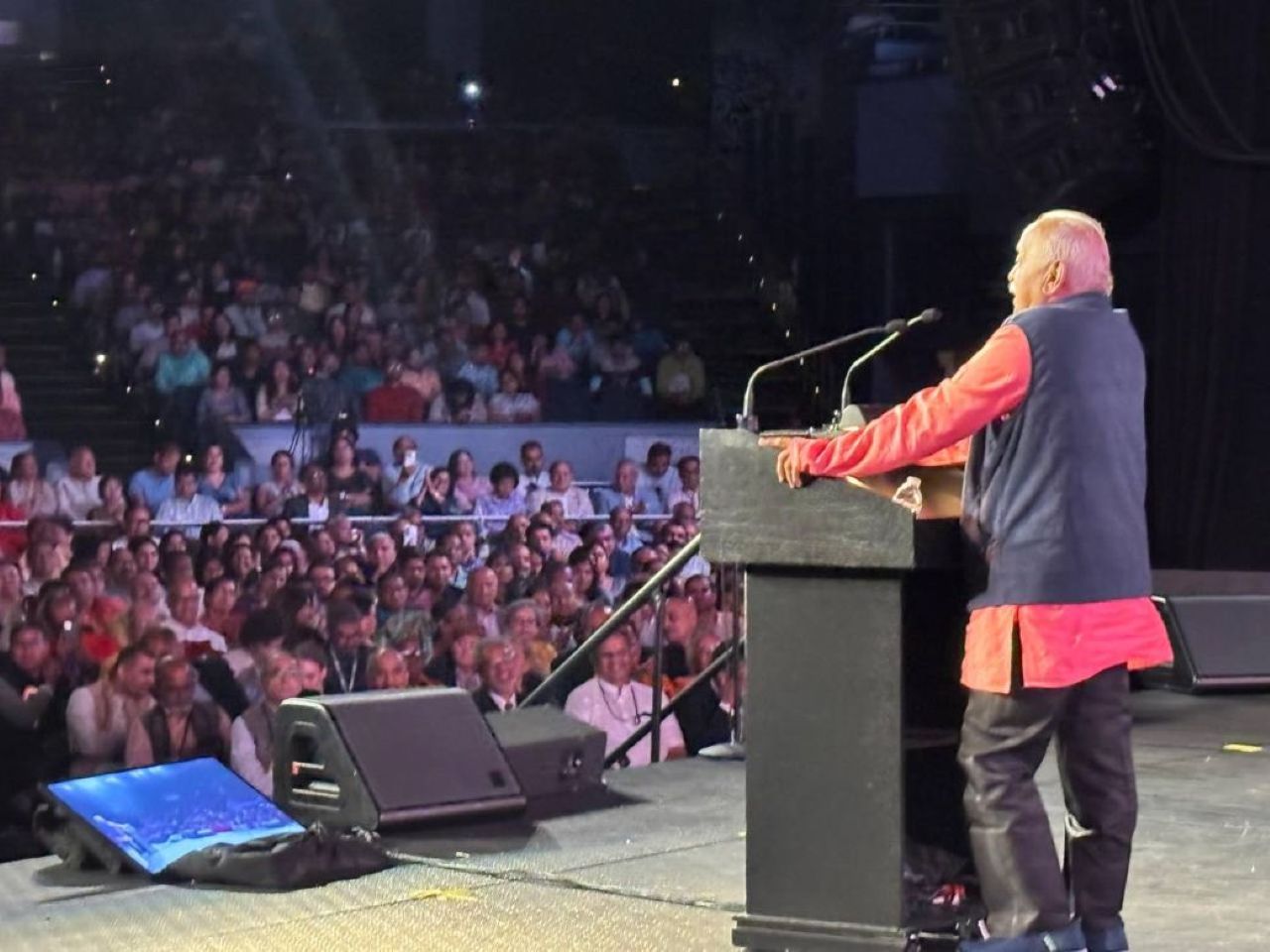
The ruling party’s control over state institutions has come to look like ordinary governance. Reversing this capture is essential to restoring India’s constitutional democracy.
Influence cannot be manufactured through diaspora networks, carefully branded events or political donations. It requires honesty and credibility.
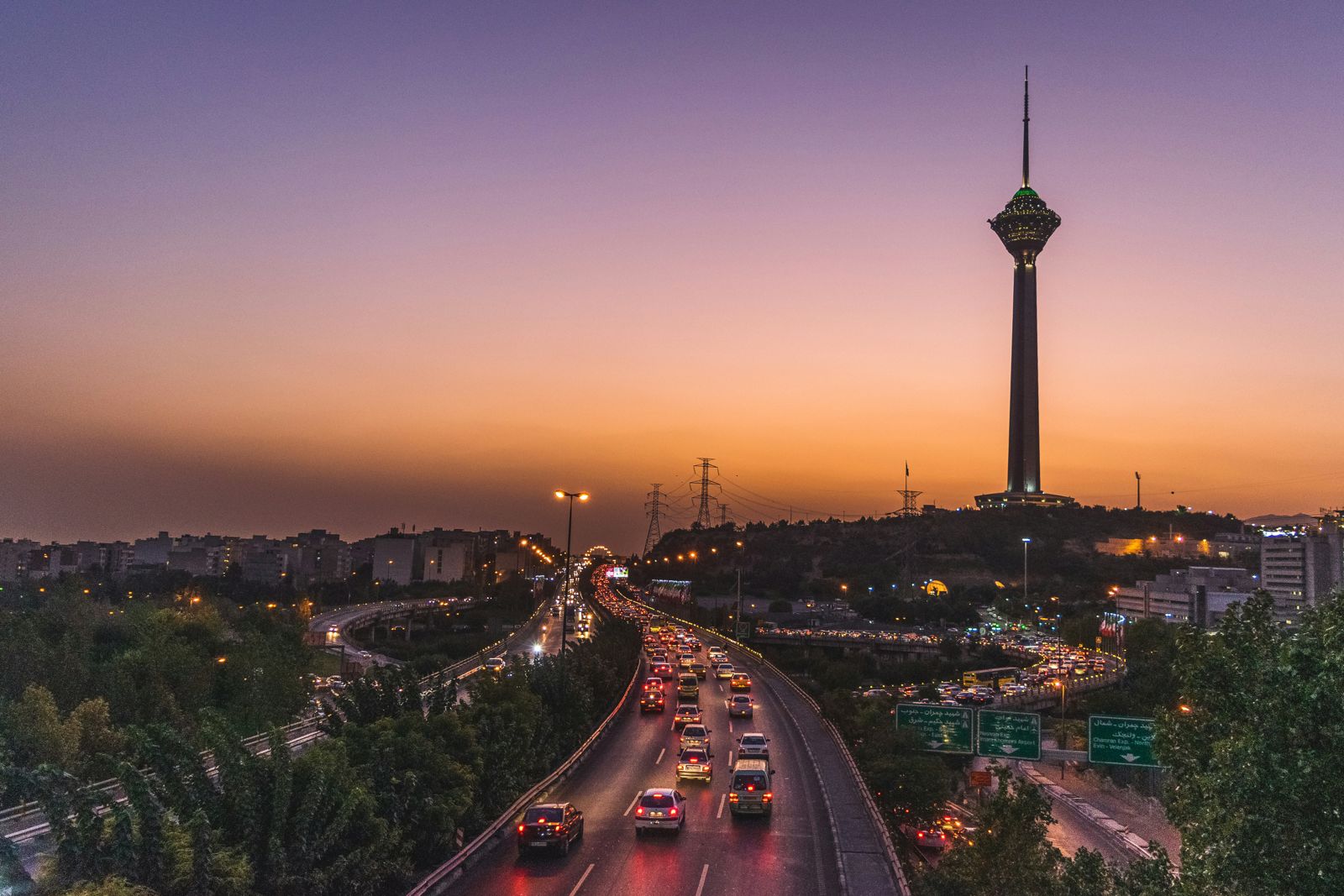
Fresh attacks in the country appear to have triggered another escalation in the Mideast conflict; Saudi Arabia wants tighter oversight on UAE transfers; and other important updates.