/
•
•
Detailed stories on technology startups, business and economic current affairs.
COP27 has made it clearer than ever that any meaningful climate action will require trillions of dollars and a shift in the vision of top financial institutions.




The dust is beginning to settle on the latest United Nations climate change talks, which concluded in the early hours of 20 November. I hope you followed my dispatches from Sharm el-Sheikh, Egypt—if you haven’t, you can find them here. This was my first time covering the annual conference in person, an experience I’m still recovering from. Over 33,000 delegates spent two weeks in a haze of meetings, panel discussions, press conferences and hour-long queues for food and coffee. There were youth representatives, academics, activists, lawyers, government officials, corporate honchos and lobbyists—all gathered to talk solutions to the biggest …


The group’s $100 billion data centre push rests on solving clean energy’s toughest constraint: consistent, real-time renewable supply at scale.
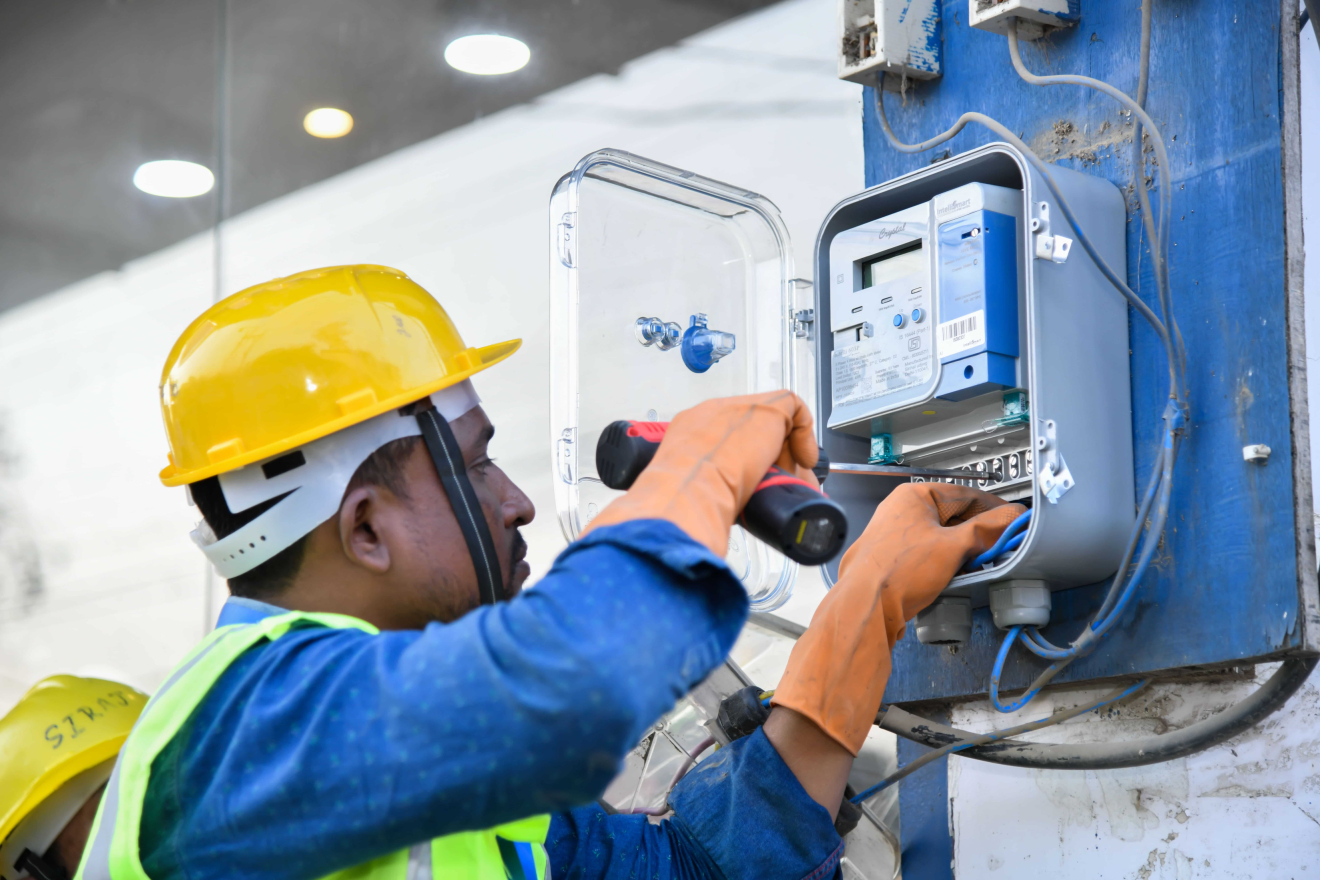
Q3 disclosures show that India’s smart meter rollout has crossed a key threshold—moving from promise to shaping revenues, margins and strategy.

Rapid asset purchases are driving generation growth, but rising debt and weaker cash flows are testing investor confidence.