/
•
•
Detailed stories on technology startups, business and economic current affairs.
The RBI has concerns about the former Flipkart boss’s fitness to run a bank and so should SEBI on NSE’s plans to go public.



Ashwin here. First up, we have some exclusive news on Sachin Bansal’s banking dreams. There are problems. Three to be precise. Bansal, who is also busy preparing for Navi’s IPO, needs to sort these out before getting RBI’s approval. On the other hand, there is a strong case for market regulator SEBI to quash NSE’s IPO plan. The “yogi” episode should be the final straw in a long list of blunders by the exchange. Read on.
The Reserve Bank of India’s committee to screen new bank licence proposals is said to be harbouring concerns over …

Lenders stand to gain a lot more than borrowers in the current challenging market environment

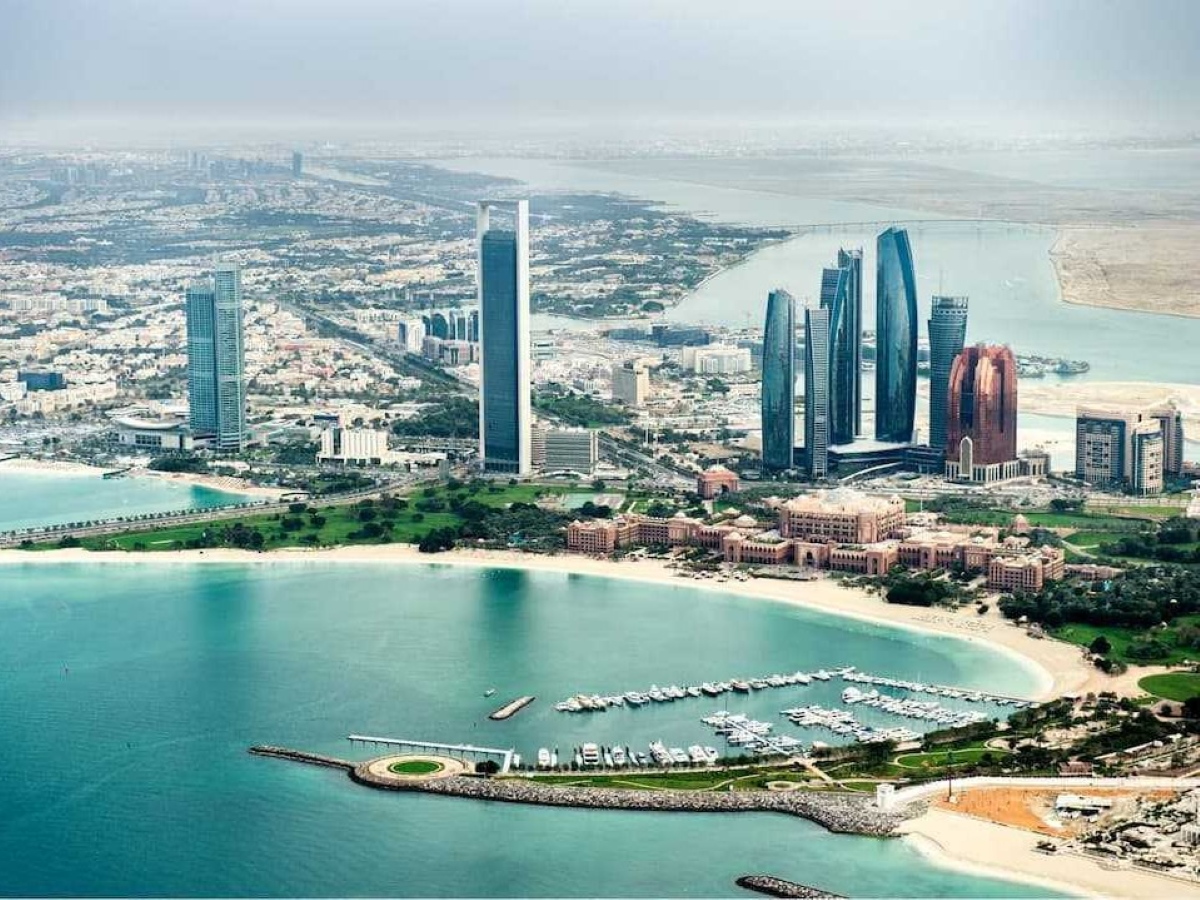
A local fintech deal to consolidate operations, feedback on Saudi Arabia’s proposed IPO rules, and Ras Al Khaimah’s casino economy.

The kingdom is moving to tighten the rules around public listings, algorithmic trading, trading in foreign securities and company disclosures—all in an effort to chase transparency.