/
•
•
Detailed stories on technology startups, business and economic current affairs.



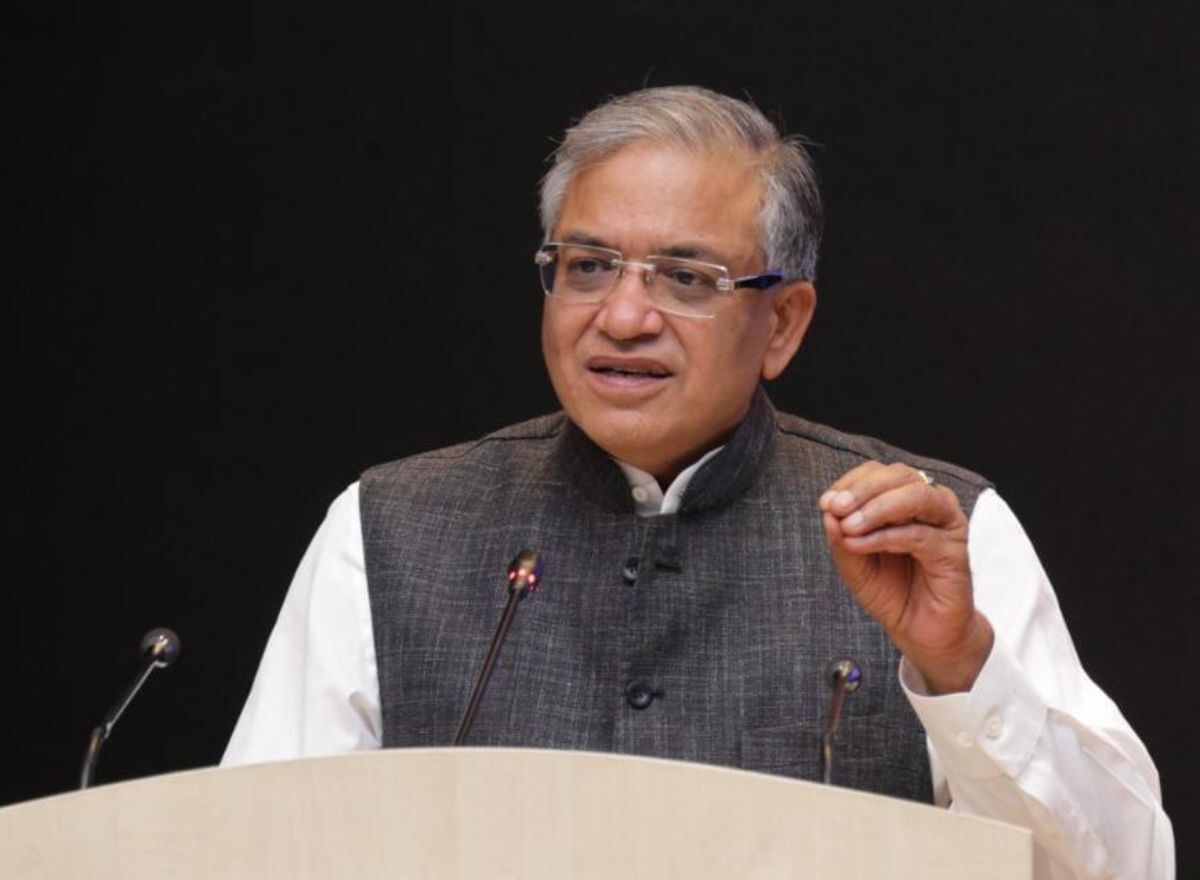
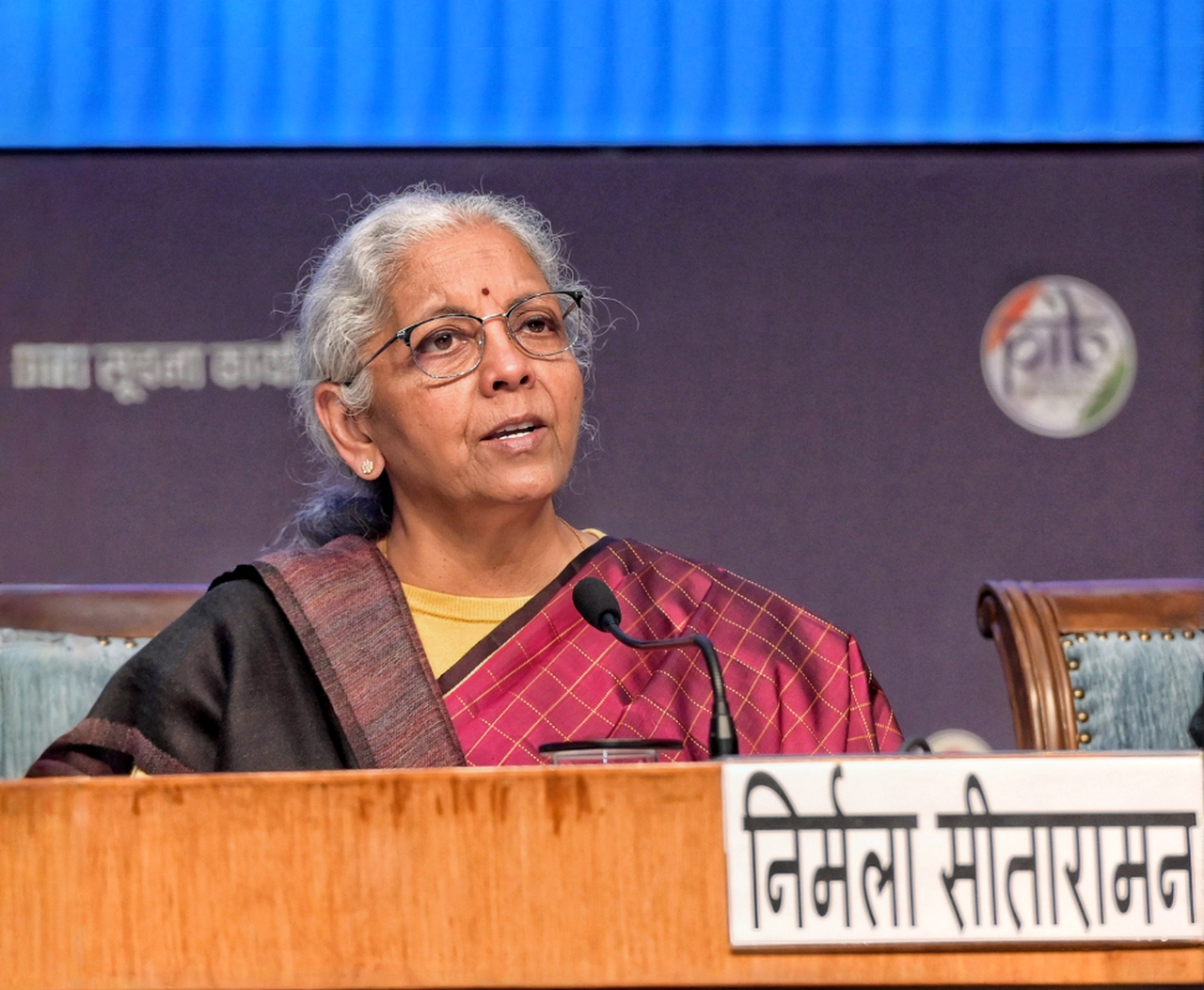
The Indian government’s budget for the year starting 1 April, which was presented on 1 February, was a culmination of several months of discussions with every possible stakeholder, finance minister Nirmala Sitharaman, told a gathering of executives on Tuesday. She said it was probably the budget that took the longest in preparation.
But as any watcher of the Indian economy, mired as it is in a slowdown, will tell you, the budget was nothing if not disappointing.
Since the budget was presented on 1 February, we have seen statements, commentary and even clarifications from the government on parts of the …
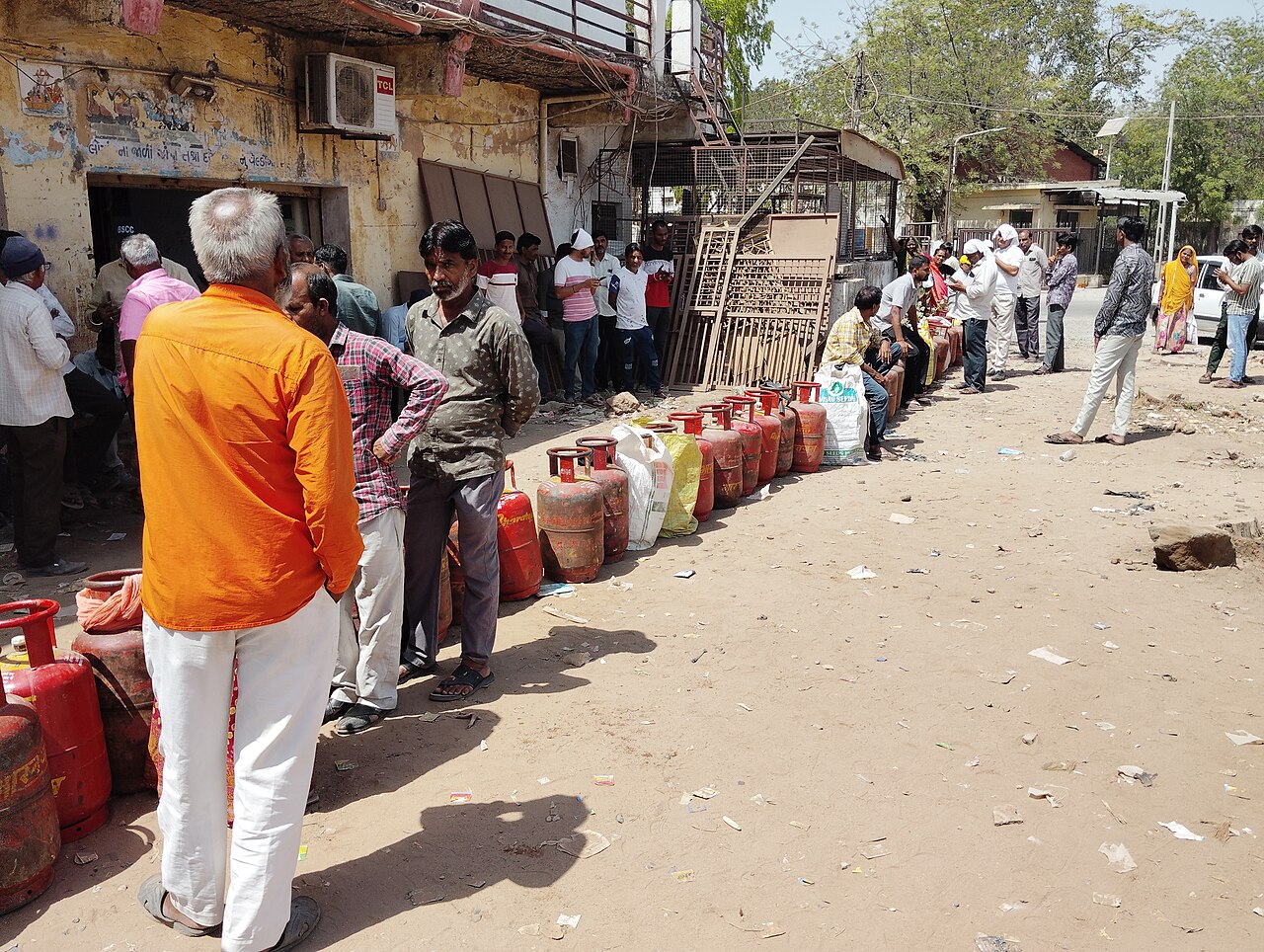
Though the war in the Gulf is pinching the Indian economy, things aren’t too bad. But much needs to be done if the situation drags on or worsens, rather than waiting for it to come to pass.

The oil giant’s chief says the ongoing Mideast conflict and the consequent Strait of Hormuz disruption could have catastrophic consequences; a look at the conflict’s effect in Bahrain.
Fiscal discipline holds on paper, but the number is propped up by higher borrowing and revenue sources that are far from stable.