/
•
•
Detailed stories on technology startups, business and economic current affairs.
Current hype would have us believe that India is on the cusp of a green industrial revolution. The reality of an energy transition will likely be far more complicated and messy.



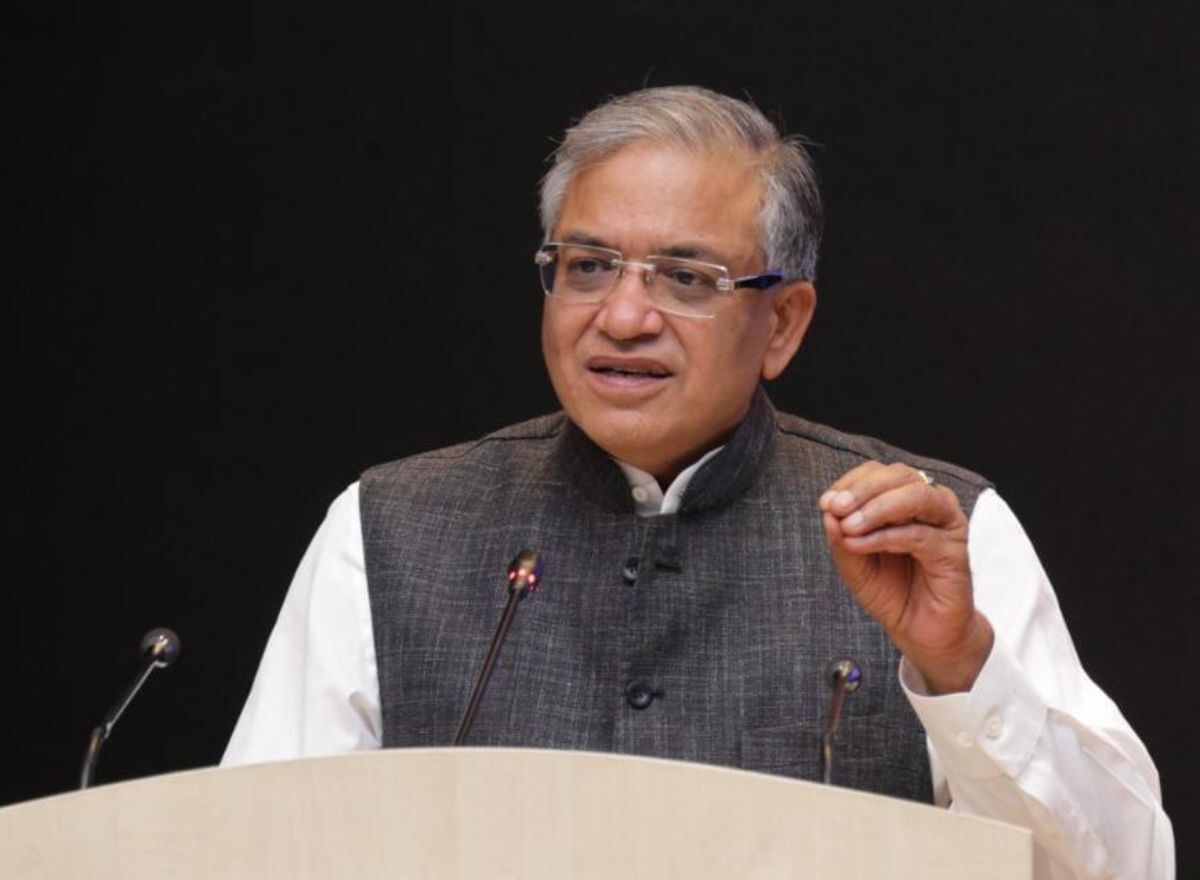
For much of late March through May, many parts of India were reeling under power shortages in the middle of an oppressive, historic heatwave. Daylong power cuts to industry and households became common for a few weeks and passenger trains were—and still are—being cancelled to facilitate the movement of coal from the mining belt to power plants.
There were multiple reasons behind these shortages, but much of it came down to perpetually cash-starved power generators not being able to pay for coal to arrive at their plants on time. Prices of imported coal trebled after Russia invaded Ukraine, killing the …
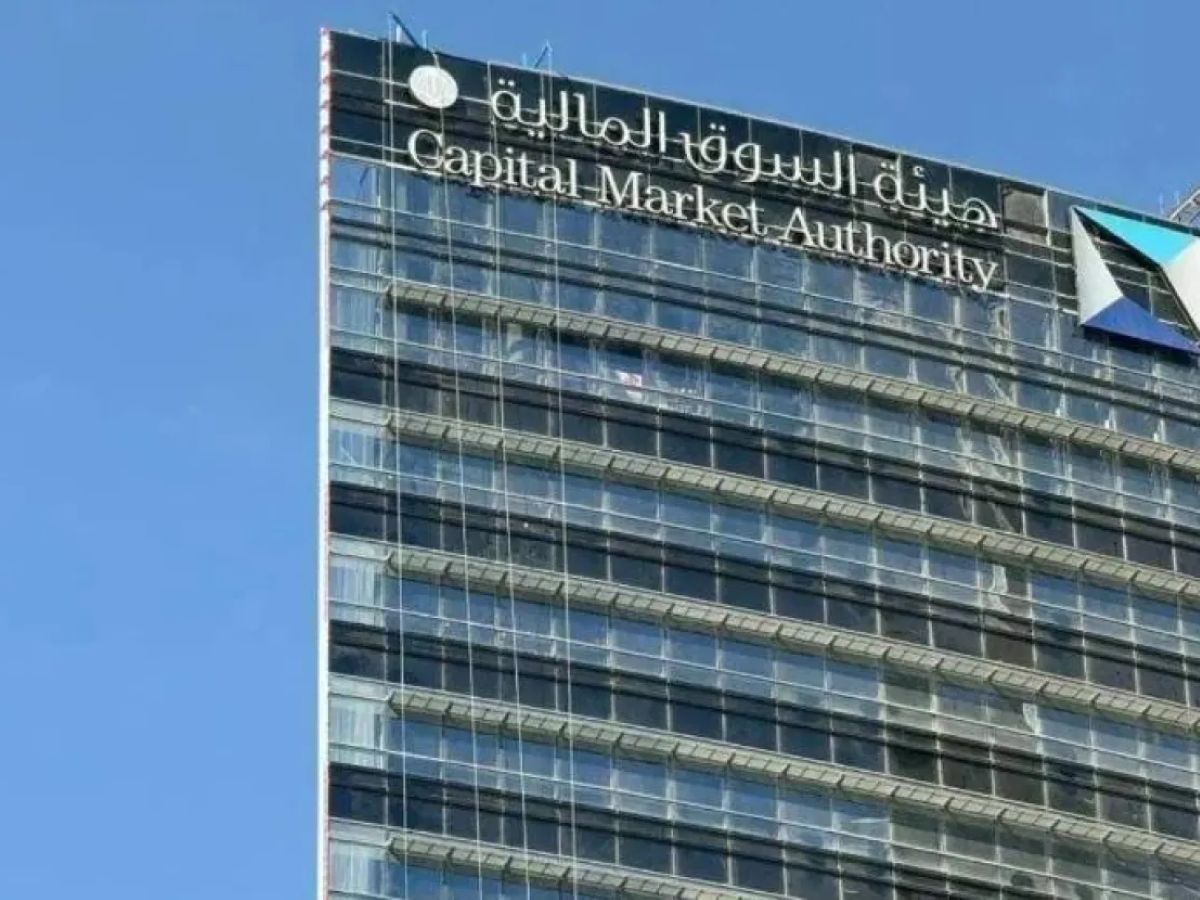
As part of a wider push to encourage transparency in the market, the CMA’s latest proposal seeks more clarity on how private capital moves around in the country.
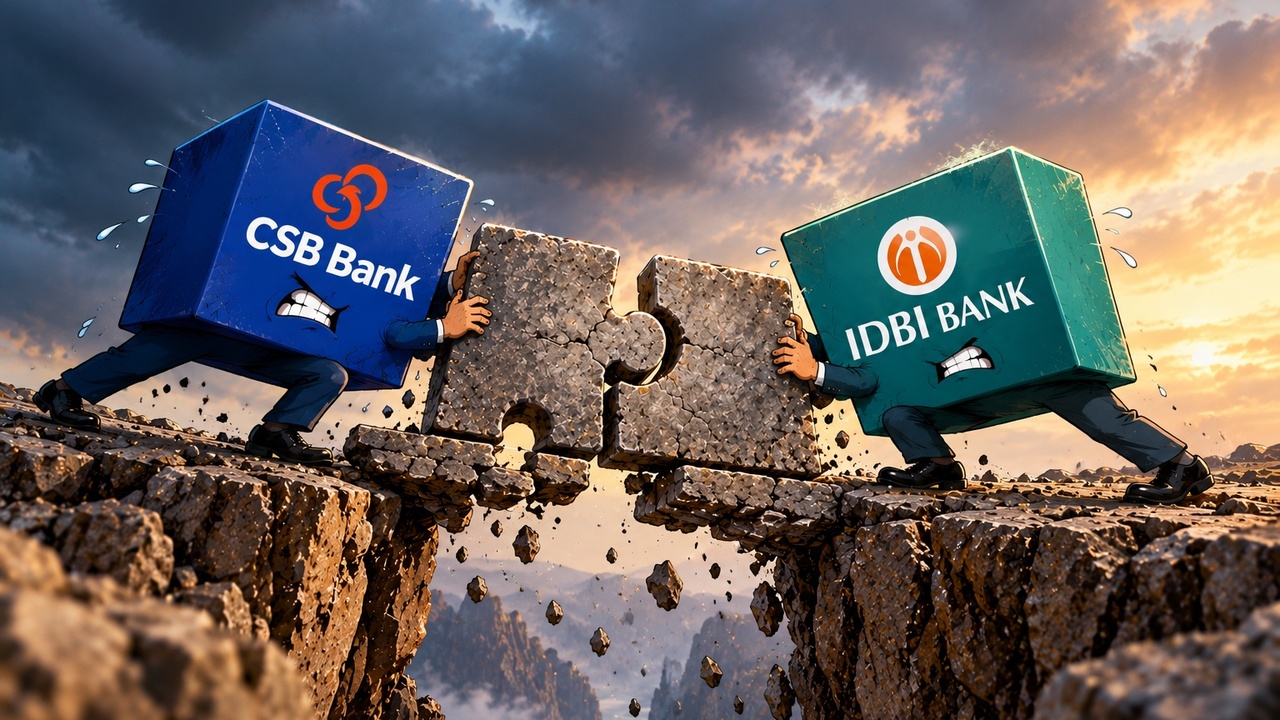
The acquisition of IDBI Bank puts his Fairfax smack dab in the middle of the RBI’s rules on bank ownership. It must now decide whether to sell CSB Bank or merge the two lenders, neither of which will be easy.
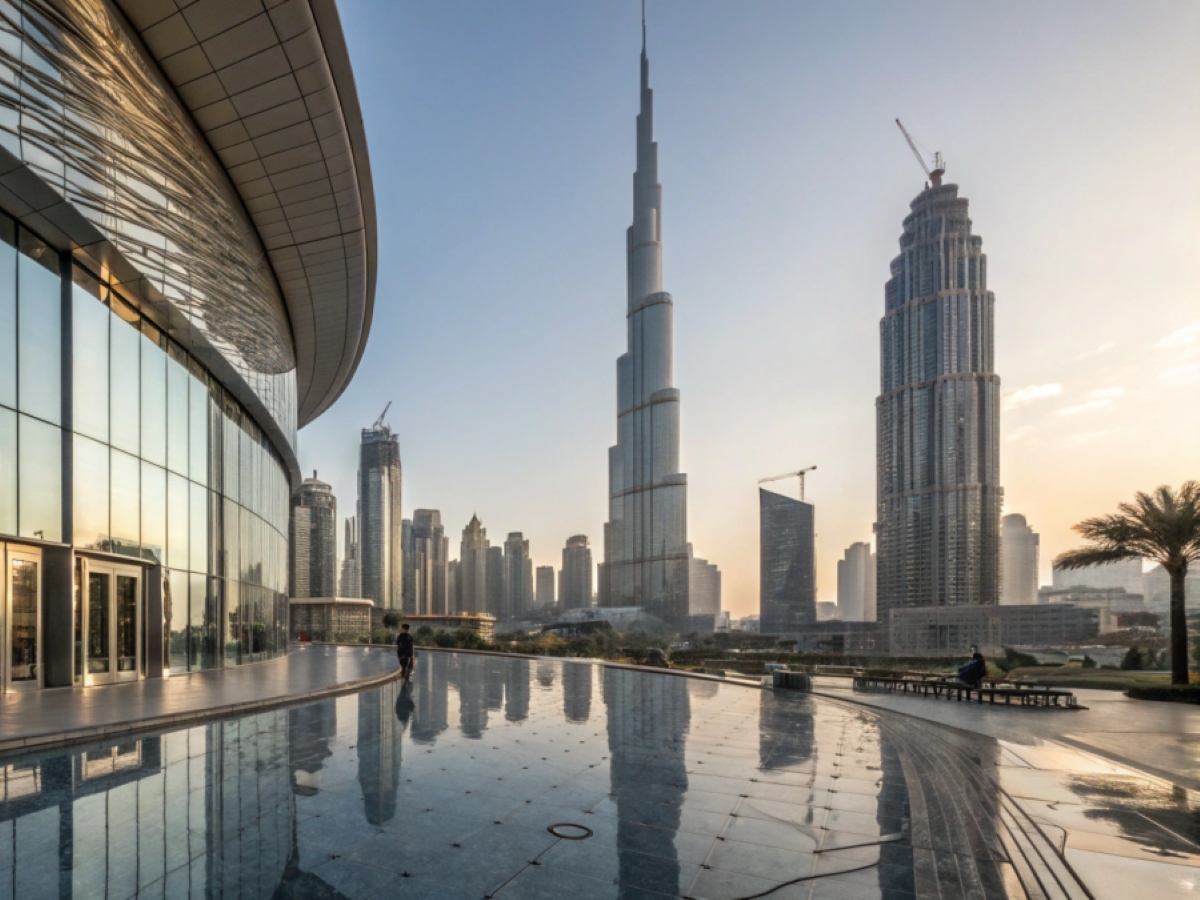
Falling sales, a price correction and more cautious buyers mark a sharp shift in Dubai’s property market as regional conflict drags on.