/
•
•
Detailed stories on technology startups, business and economic current affairs.



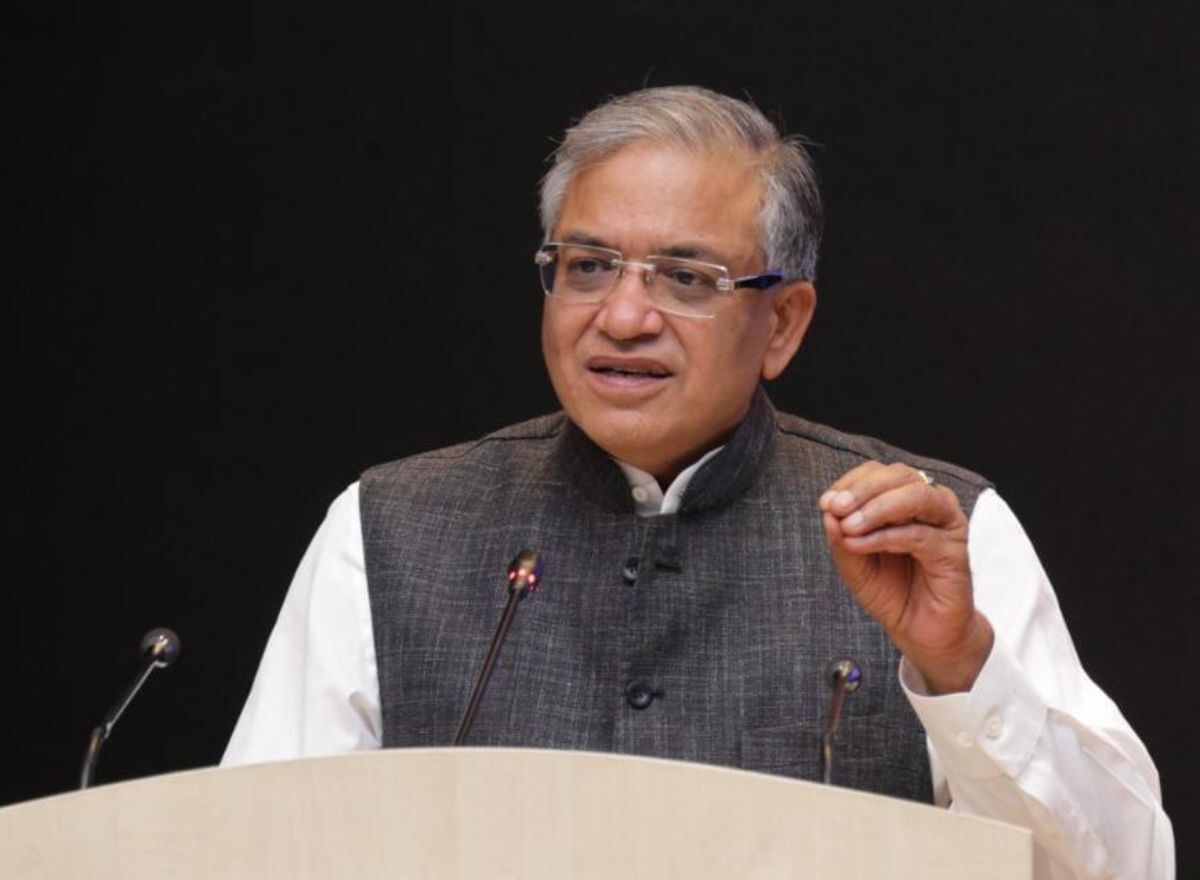
In the design and conduct of public policy, designing an exclusive system is easy and straightforward. A team of technocrats and bureaucrats would do a rather neat job. However, creating an inclusive system needs hard work, perseverance, and a certain political commitment. India’s agricultural policy, specifically in the context of the three contentious farm laws, is a case in point.
The three farm laws, which were cleared by the Parliament last September, are about agricultural markets. The Union government claims that these laws will usher in “reforms”—by attracting private investment, modernizing supply chains and expanding storage and warehousing. But …


The newly announced levy on UPI payments undermines the very foundation of using digital payments for stock market investing. Brokers are in a tizzy.

The oil giant’s chief says the ongoing Mideast conflict and the consequent Strait of Hormuz disruption could have catastrophic consequences; a look at the conflict’s effect in Bahrain.

Century Financial’s Arun Leslie John on why 2025 mattered—and what investors in the UAE and Saudi public markets should watch in the new year.