/
•
•
Detailed stories on technology startups, business and economic current affairs.
Before looking to export agricultural expertise, India needs to ensure its own food security and productivity goals are not compromised, and the environment for farmworkers in the country is improved.



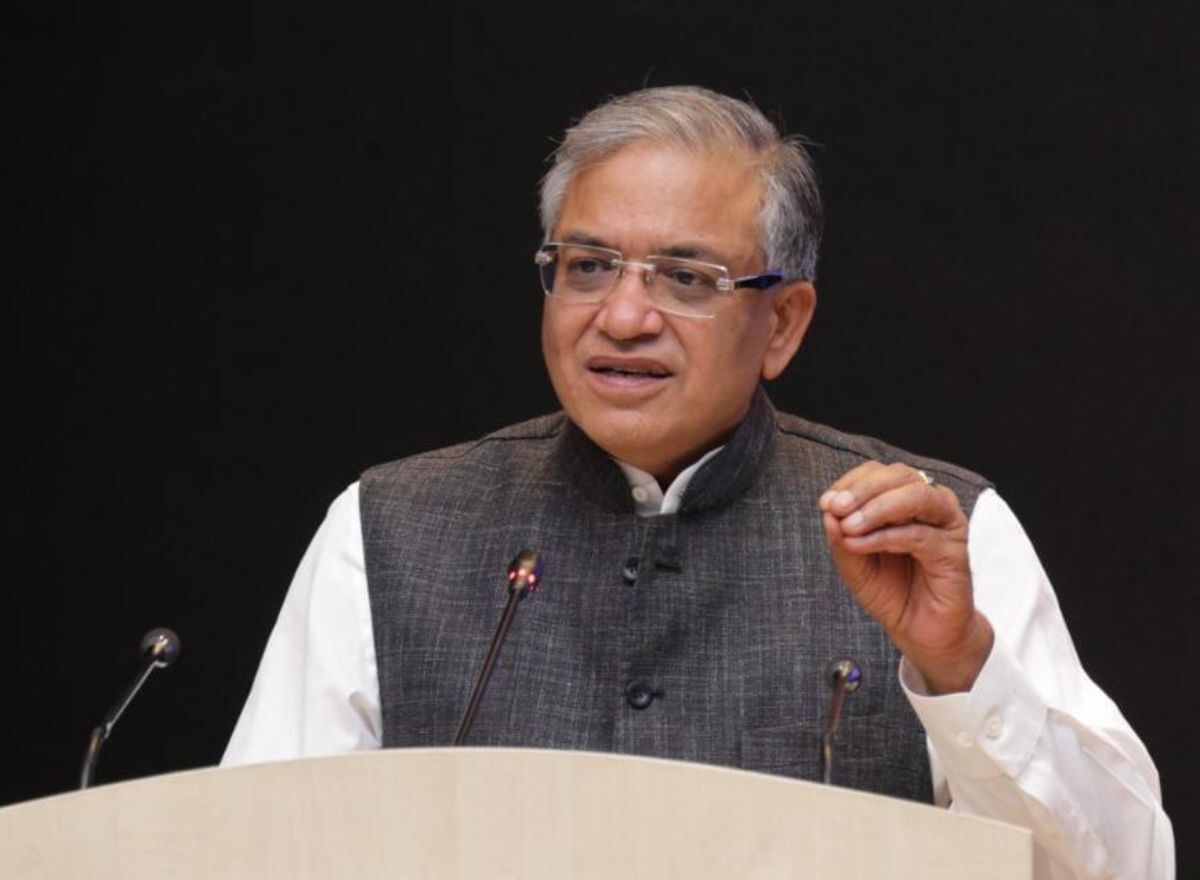
Agriculture and food security have suddenly gained currency across the globe and become the topic of conversation at international conferences. The combined impact of fertilizer shortages, the Russia-Ukraine war and climate change has awakened governments to the importance of ensuring food security as costs rise rapidly.
Prime Minister Narendra Modi added another dimension to the conversation, telling attendees at a session on the sidelines of last month’s G7 summit in Germany that “with the help of traditional talent of India’s farmers, food security will be ensured to G7 countries.” He went on to suggest that “the G7 develop a structured …

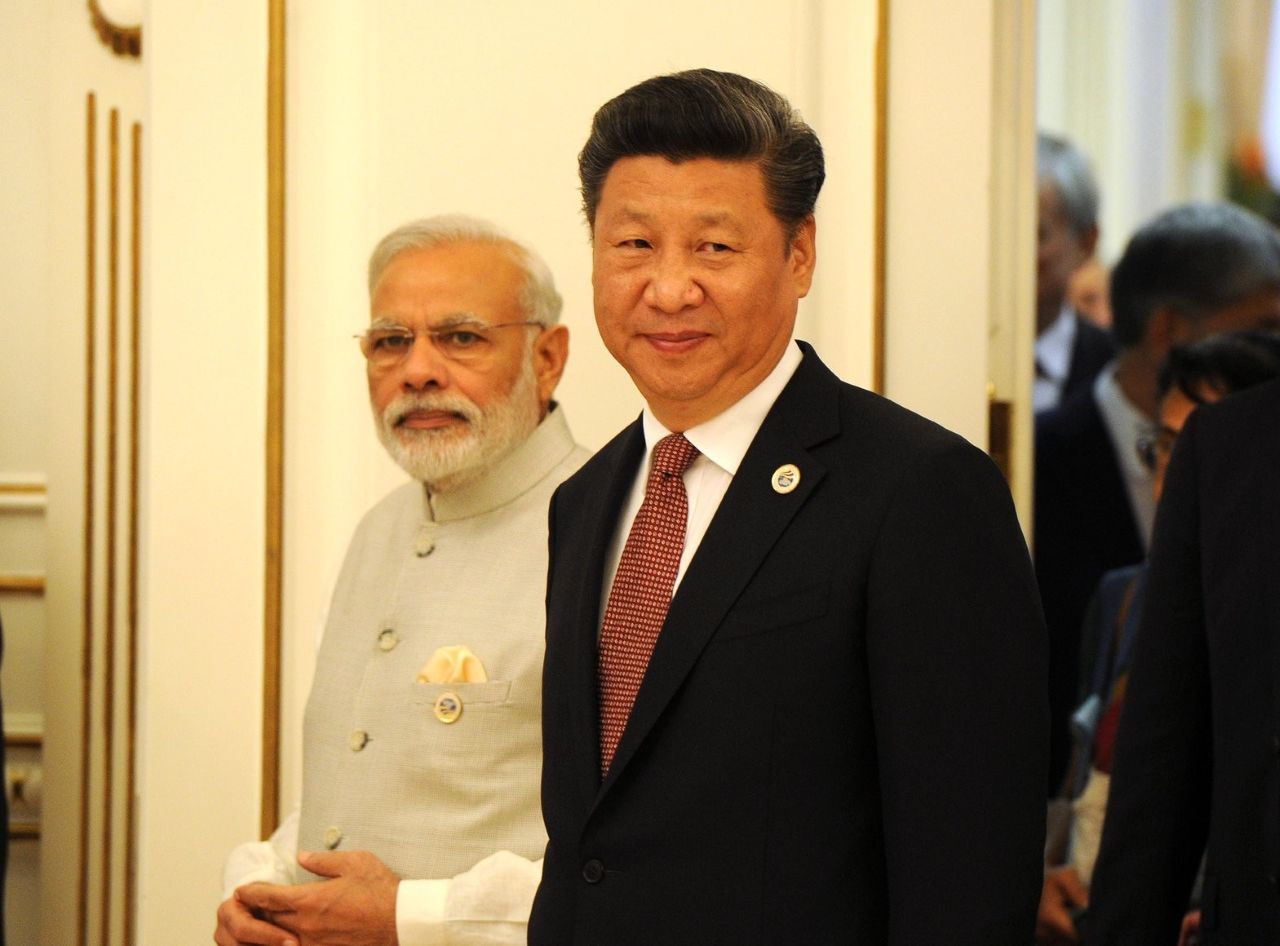
Chinese diplomats to India are saying all the right things for Indian ears, but Beijing’s policy actions are moving in the opposite direction.

The country's fighter jet roadmap rests on imported propulsion, leaving its military plans hostage to cost shocks, delays and geopolitics.

Peace talks bring relief to the Emirates, but there’s still a ways to go before full-scale recovery.