/
•
•
Detailed stories on technology startups, business and economic current affairs.
Concerns around the number of cheetahs that Kuno can support and the relocation of people may haunt the project for years to come.



It has been a little over a month since Prime Minister Narendra Modi released eight African cheetahs into the Kuno National Park in Madhya Pradesh. Or rather, into an enclosure within the park where the cheetahs will acclimatize to local conditions (the government is keeping male and female animals in neighbouring enclosures so that they get to “know each other” before release). Eventually, these cats will roam free in the over 700 sq. km park and beyond. The hope is that the population will grow to 21 or more individuals.
No matter your political (or ecological position) on the subject, …
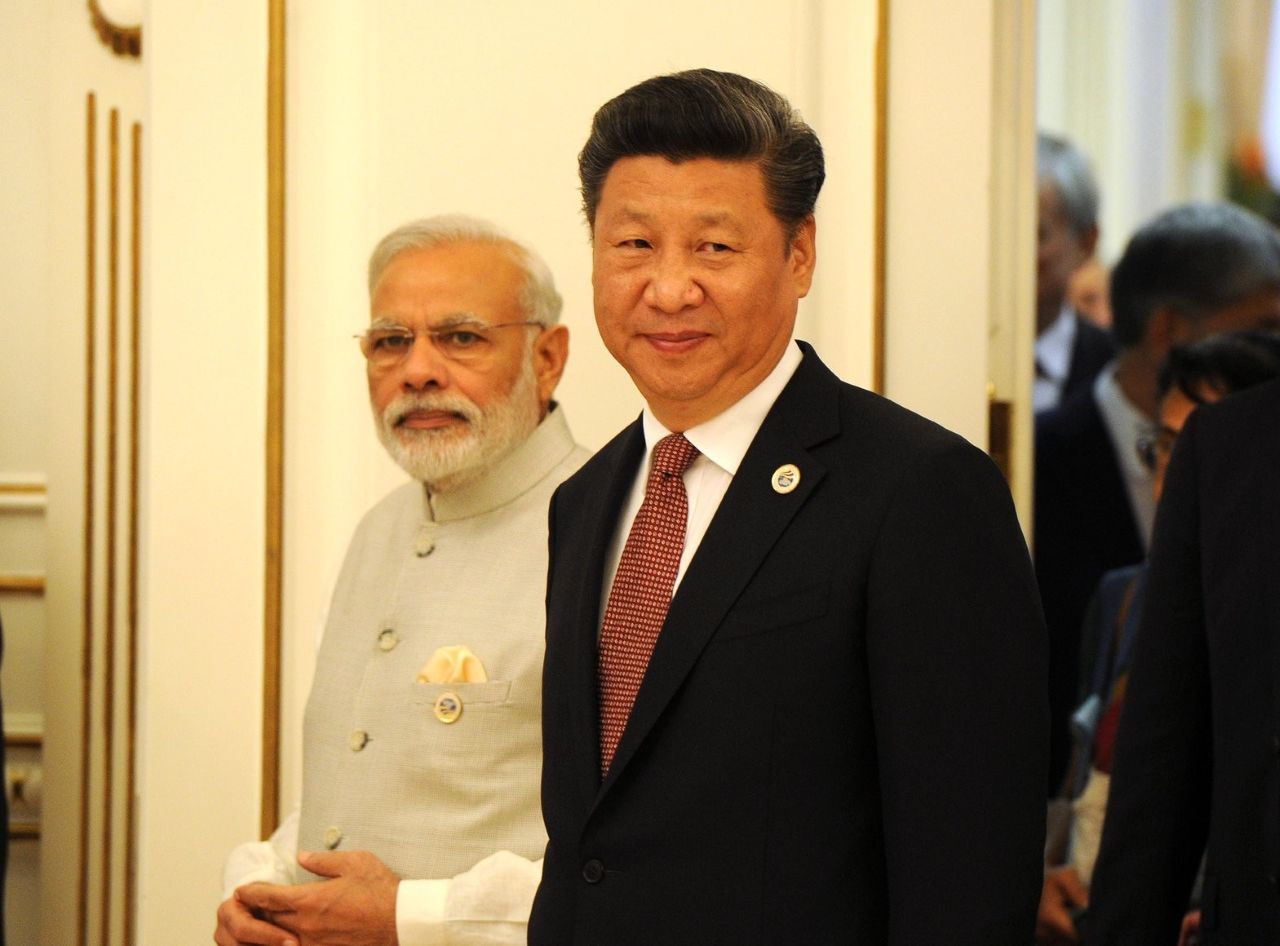
Chinese diplomats to India are saying all the right things for Indian ears, but Beijing’s policy actions are moving in the opposite direction.

The country's fighter jet roadmap rests on imported propulsion, leaving its military plans hostage to cost shocks, delays and geopolitics.
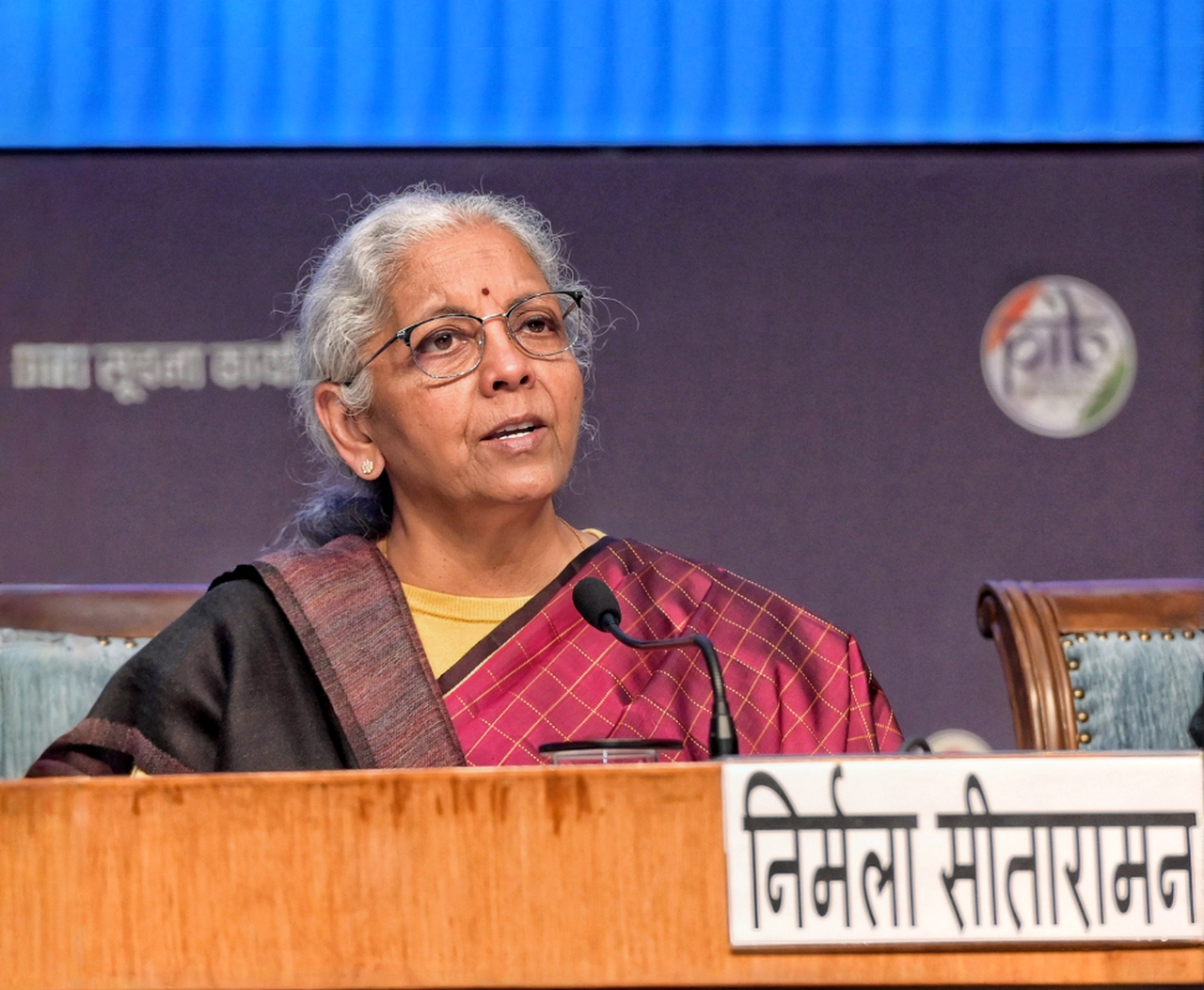
Fiscal discipline holds on paper, but the number is propped up by higher borrowing and revenue sources that are far from stable.