/
•
•
Detailed stories on technology startups, business and economic current affairs.
The government and big capitalists are complicit in the state of the Indian economy, where masses of people have been pushed into an acute livelihood crisis.



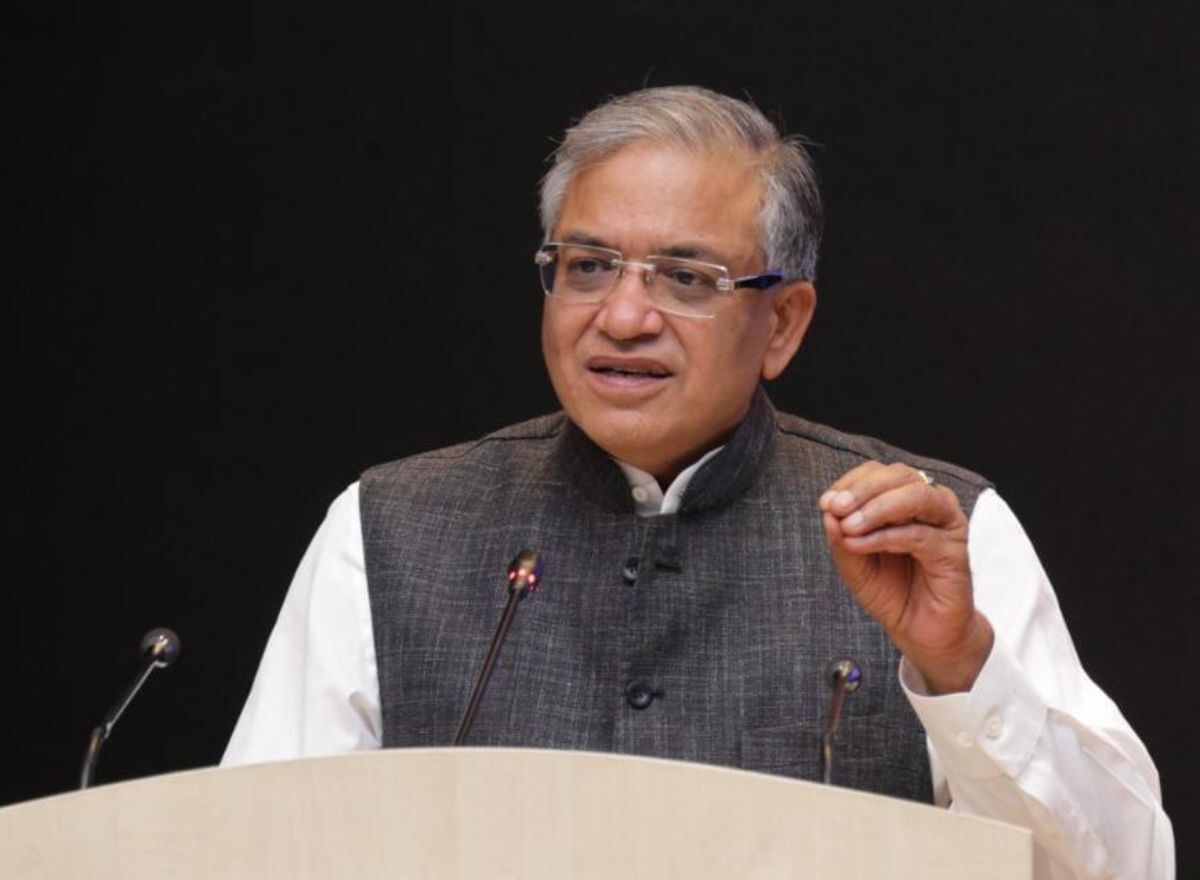
Recently, Union finance minister Nirmala Sitharaman asked Indian capitalists: “...since 2019, I have been hearing that industry doesn’t find [conditions] conducive, so I brought the corporation tax rate down… I would want to know from the Indian industry why they are hesitant [to invest]… I want to hear from India Inc., what’s stopping you when countries and industries abroad think this is the place to be now?”
When I heard Sitharaman’s question, I was reminded of the infamous Say’s law. In the late 19th and early 20th centuries, Say’s law was the hegemonic economic philosophy. French economist Jean-Baptiste Say (1767-1832) …


The newly announced levy on UPI payments undermines the very foundation of using digital payments for stock market investing. Brokers are in a tizzy.
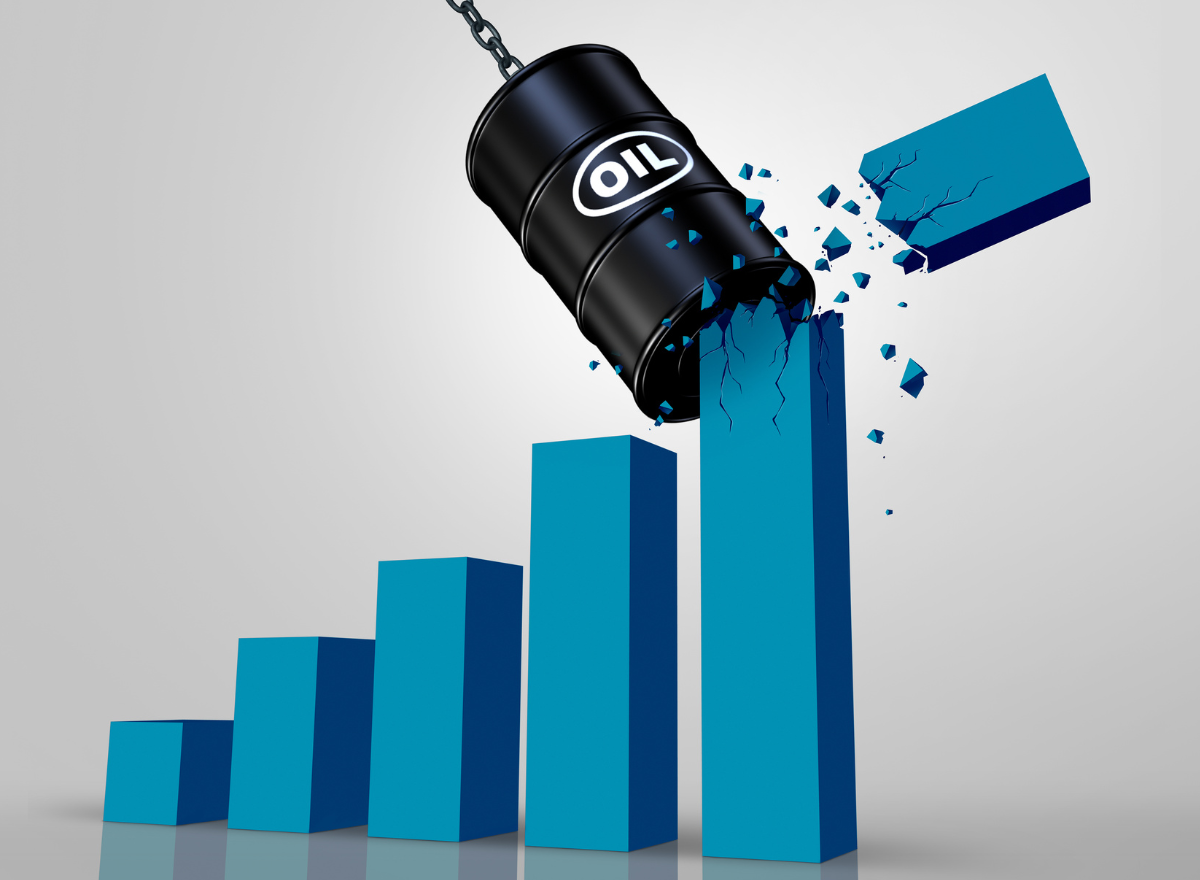
The regional economy is expected to take a big hit in 2026, venture capital activity is starting to show signs of strain, and Saudi Arabia’s sovereign fund has a new investment strategy.

Though the war in the Gulf is pinching the Indian economy, things aren’t too bad. But much needs to be done if the situation drags on or worsens, rather than waiting for it to come to pass.