/
•
•
Detailed stories on technology startups, business and economic current affairs.
The absence of a limit on drinks served to long-haul passengers, exemptions based on class of travel and letting the crew decide when a flyer has had one too many are compounded by the regulator’s hesitance to act.



American writer William Cuthbert Faulkner once said, “War and drink are the two things man is never too poor to buy.” Now imagine if you are served free drinks on a flight. While it’s a great experience for the amount you’ve paid to travel, it may not always go well. As two recent incidents aboard Air India flights show.
On 26 November, a passenger named Shankar Mishra urinated on an elderly woman, allegedly in an inebriated condition, in the business class cabin of a New York-Delhi flight. On 4 January, the Delhi police filed an FIR against Mishra on the …
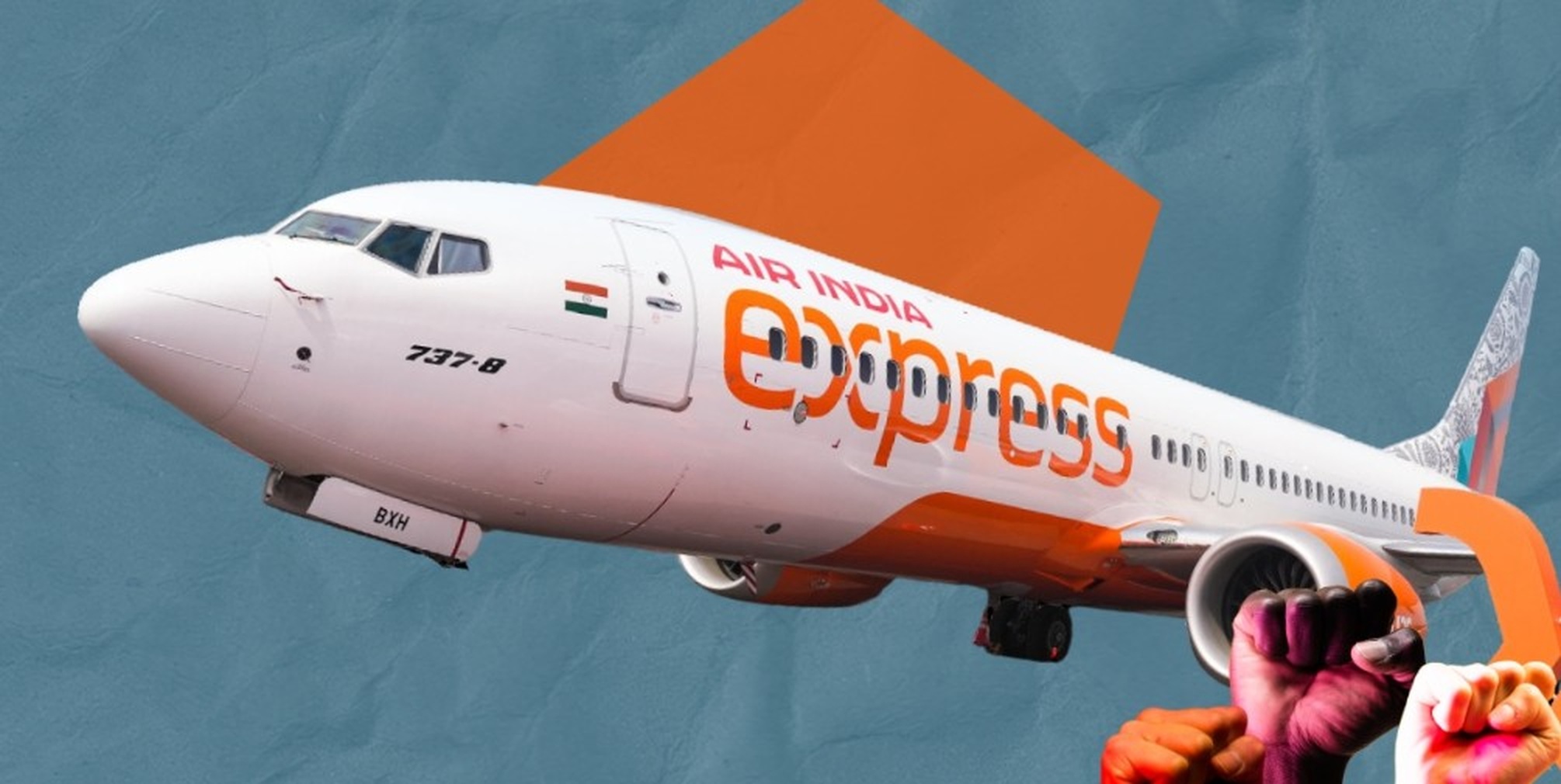
As the low-cost carrier pushes through a compensation overhaul, the absence of a CEO is complicating a delicate moment.
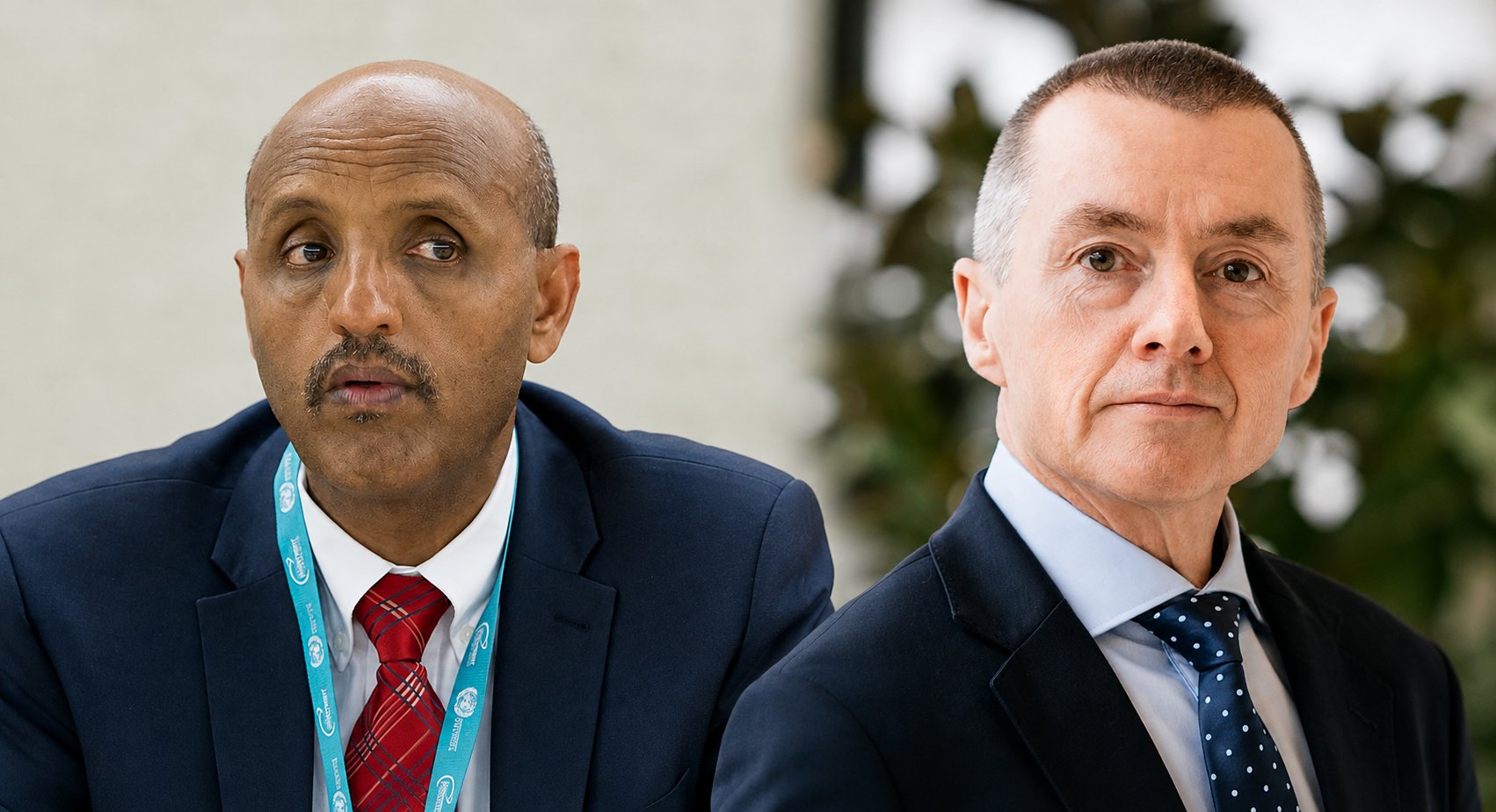
The two new chief executives at Air India and IndiGo come with contrasting reputations but face the same challenge—do their predecessors one better.
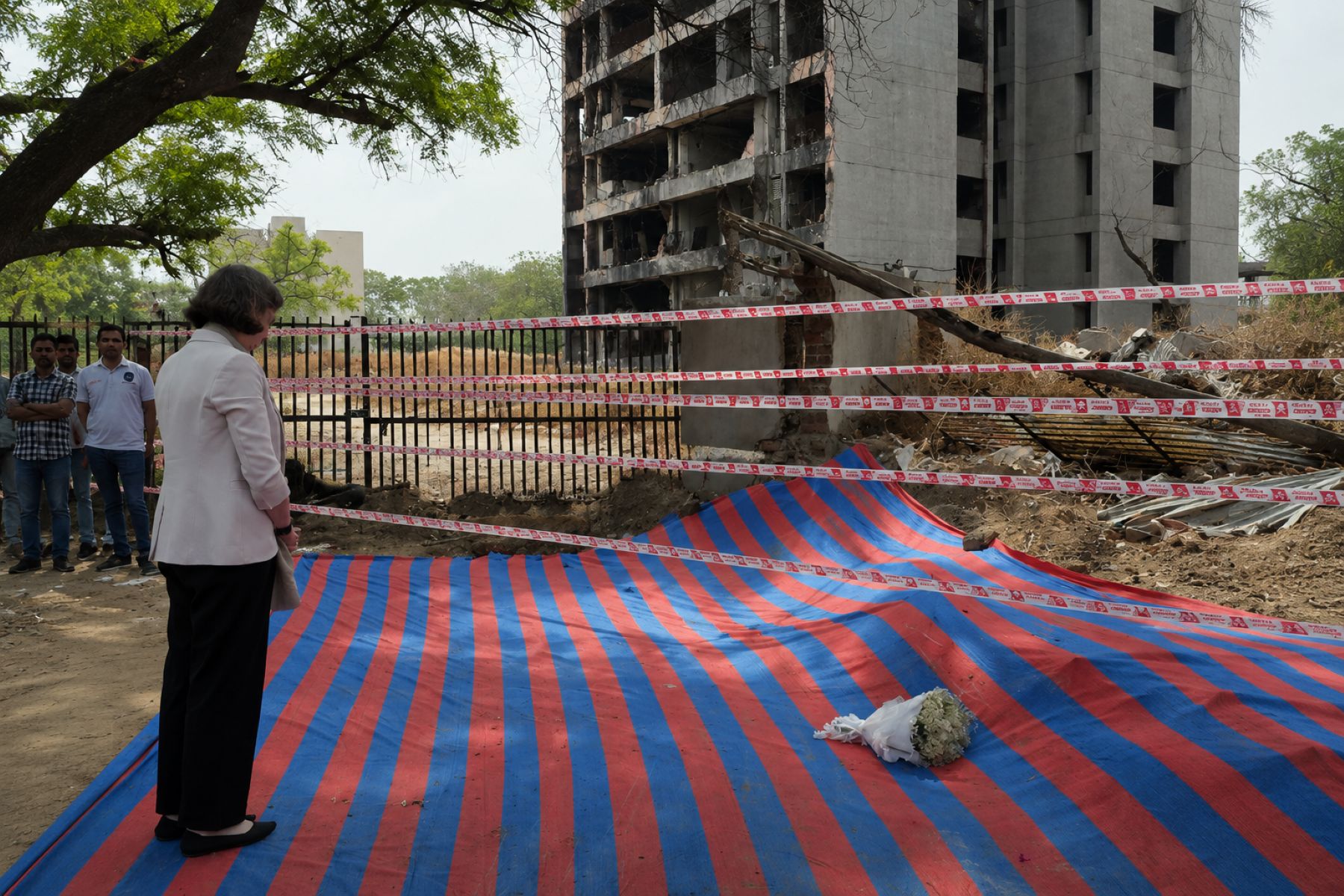
The Tata Group’s silence and absence from Ahmedabad on the first anniversary of India’s worst air disaster risks putting a dent in its much-vaunted value system.