/
•
•
While we rightly worry about the local and global impact of coal mining, rail and road infrastructure to transport coal too need scrutiny.



Editor's note: It was in Goa, sometime in mid- or late-2017, that I hit upon a bewildering set of corporate transactions. Outside, the west coast’s wild monsoon swayed coconut trees and swelled the creek behind my house. Inside, I had just accessed documents from the Ministry of Corporate Affairs database (after paying Rs 100) that made my heart skip a beat. The documents showed that billionaire Gautam Adani’s family had taken control of one of the Adani group’s lucrative businesses—a railway line to carry coal. It had been described as the largest and first private railway siding in India, one that would carry coal from Adani-operated mines in northern Chhattisgarh to the nearest station on the Indian Railways network. While the mine was partly in Adani group’s control (through a joint venture with a government entity), it held complete control over the railway line. I am no corporate wiz, but it seemed odd that Gautam Adani personally made a few hundred rupees for every tonne of coal that left the Chhattisgarh mines (and a few hundred even if no coal was moved). …

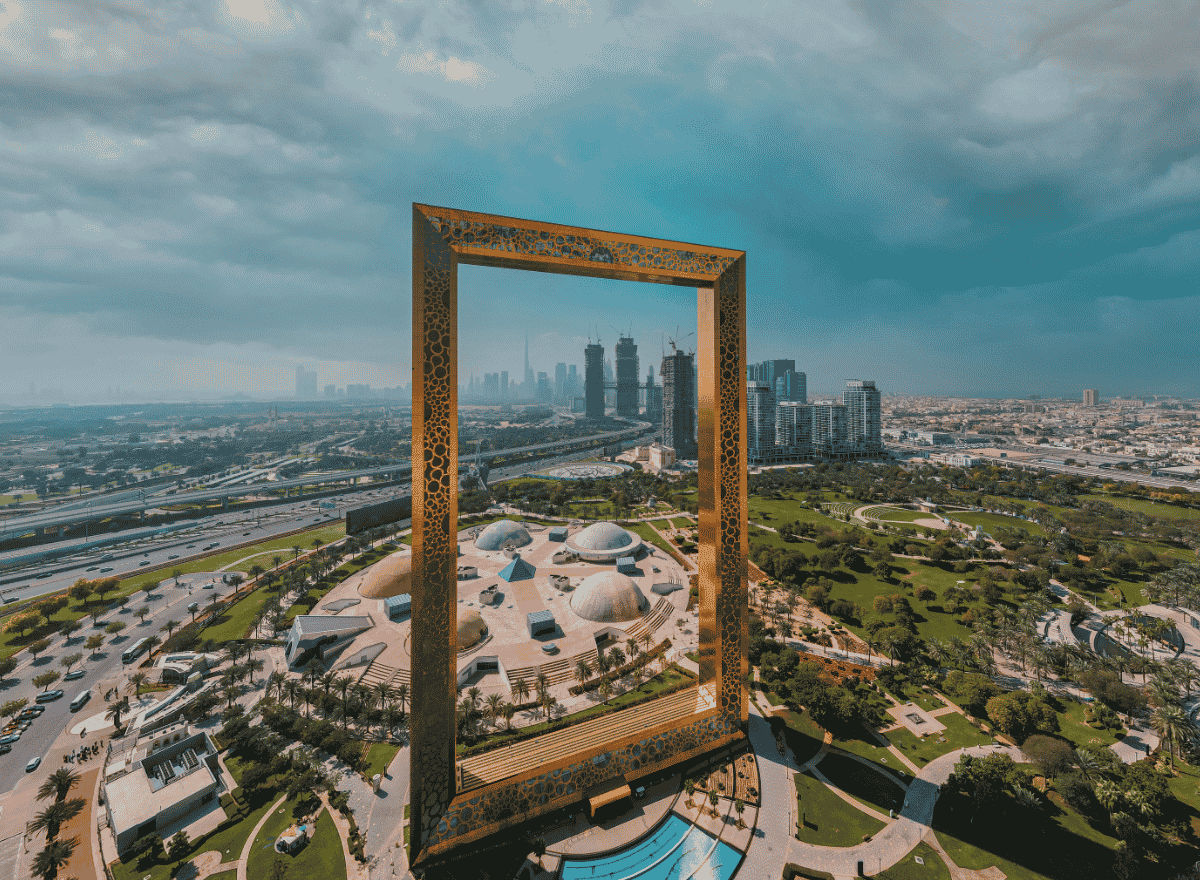
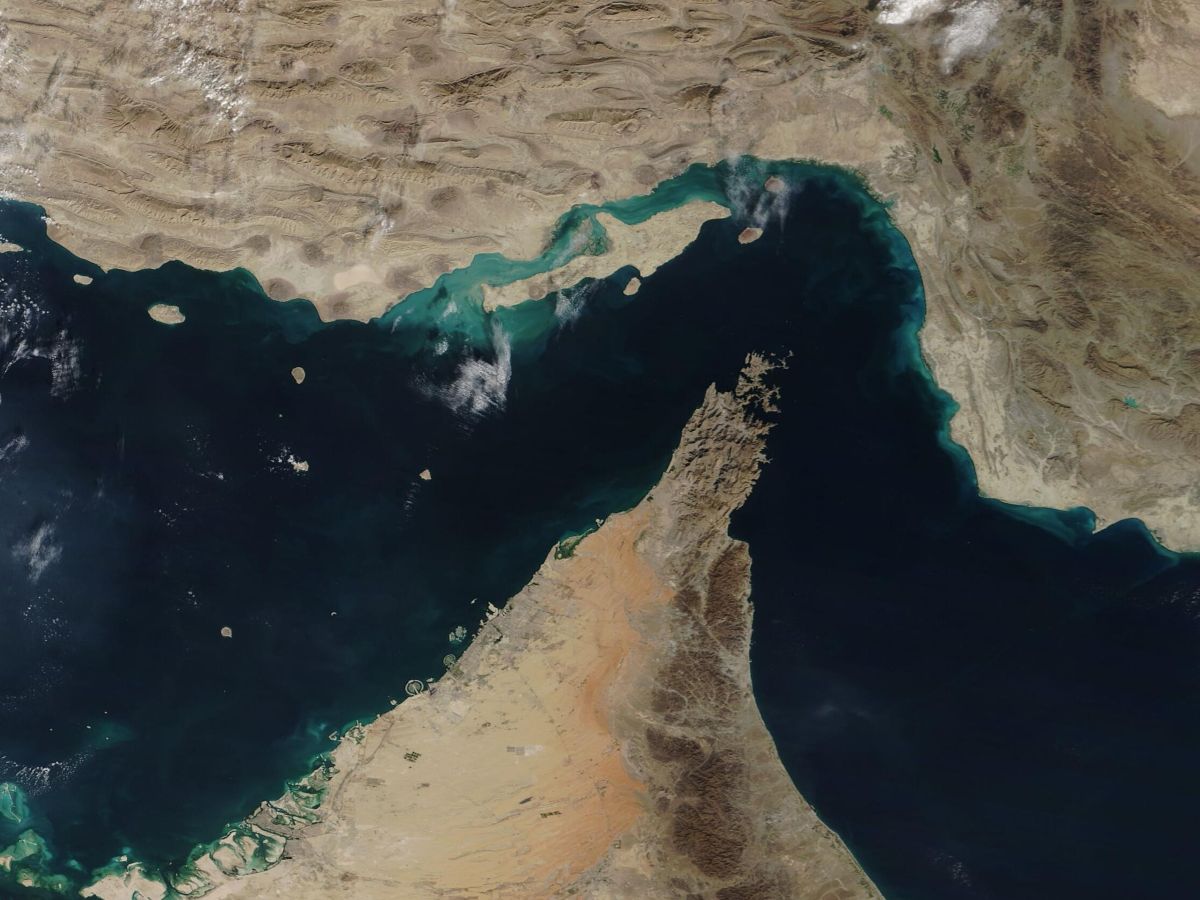
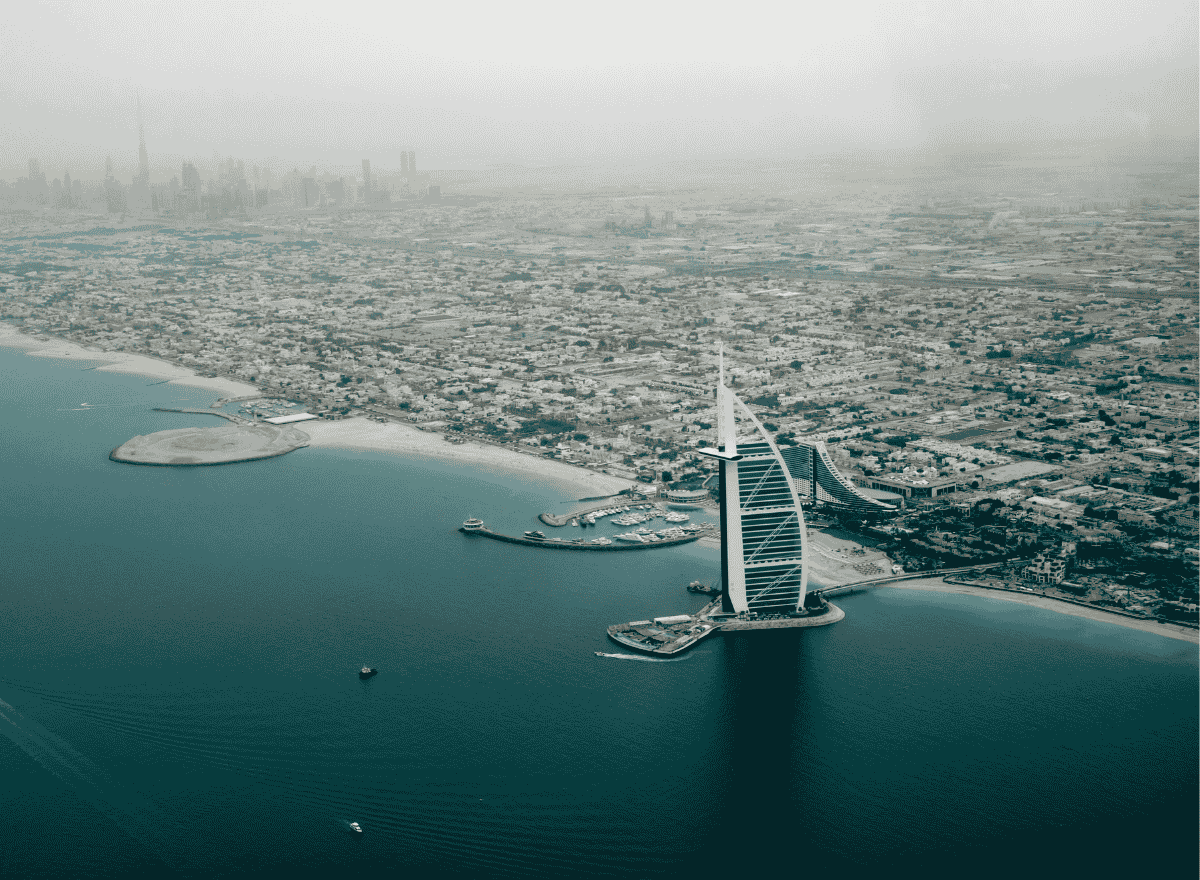
April data suggests the slide may be moderating, even as the UAE accelerates moves to derisk its future.
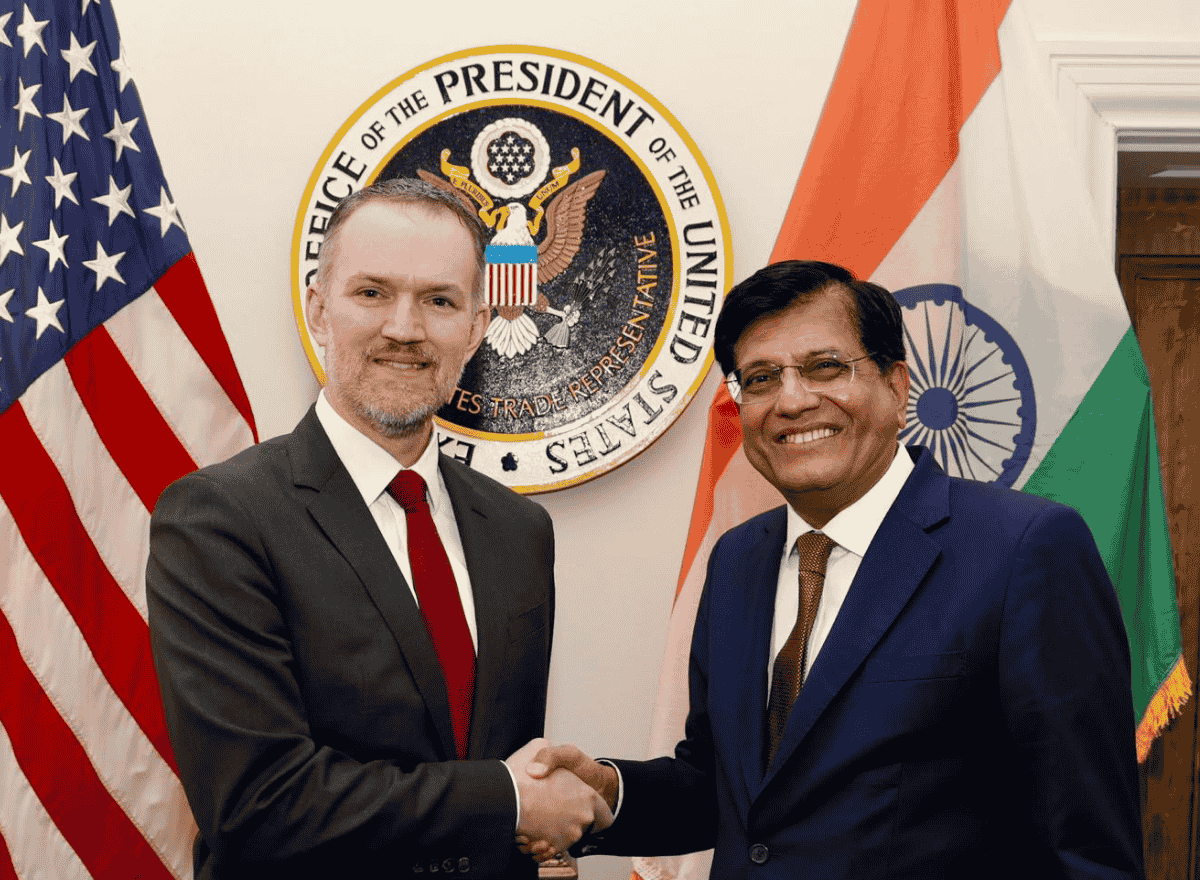
The framework reads less like an agreement between partners and more like a probation order written by the stronger side.
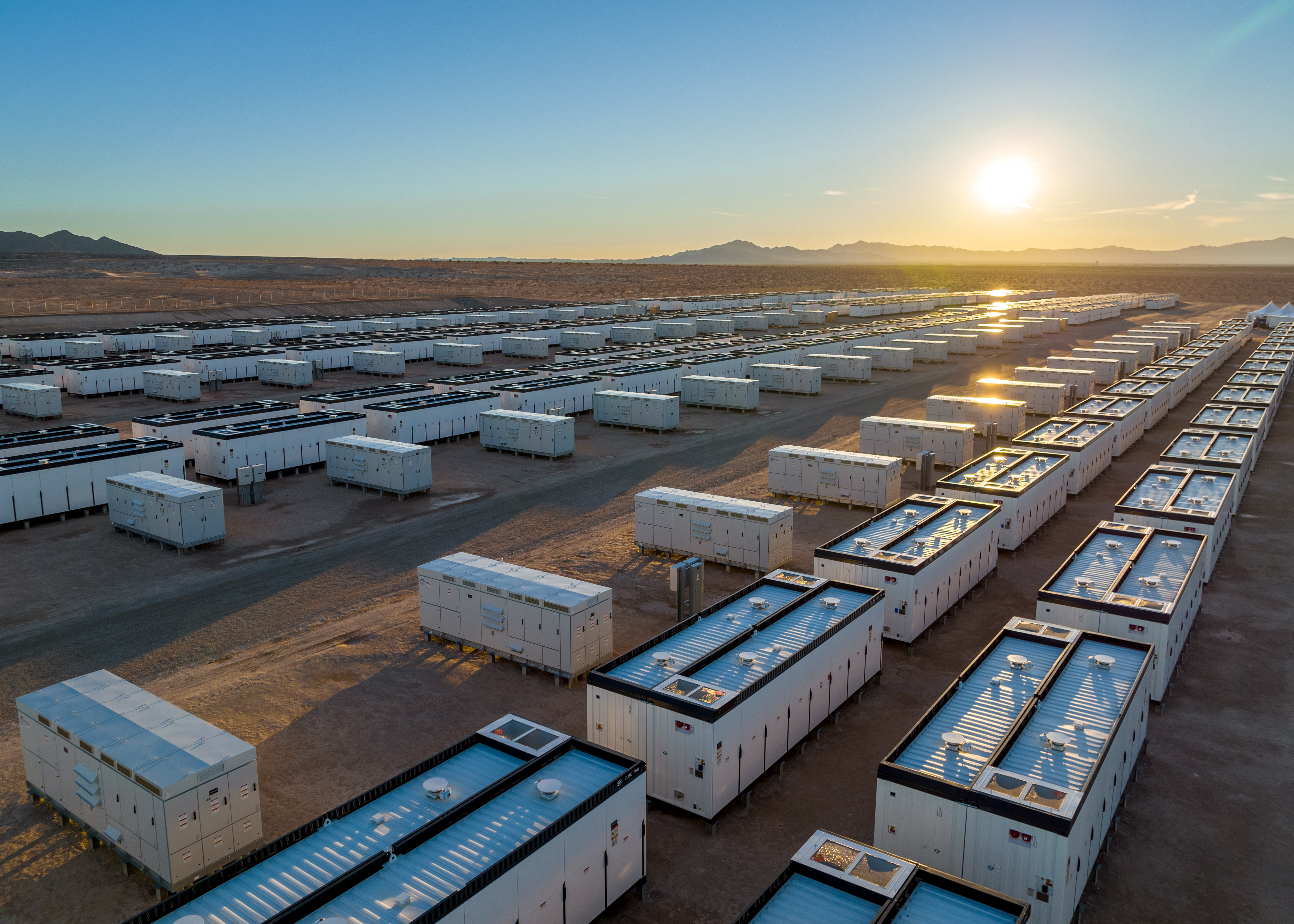
Mukesh Ambani’s $10-billion bet faces a harsh reality: much of the clean-energy stack still sits overwhelmingly in Chinese hands.