/
•
•
Detailed stories on technology startups, business and economic current affairs.
Only an estimated 5% of India’s speed breakers are made according to norms. The rest pop up without warning, posing a threat to your back, car or worse



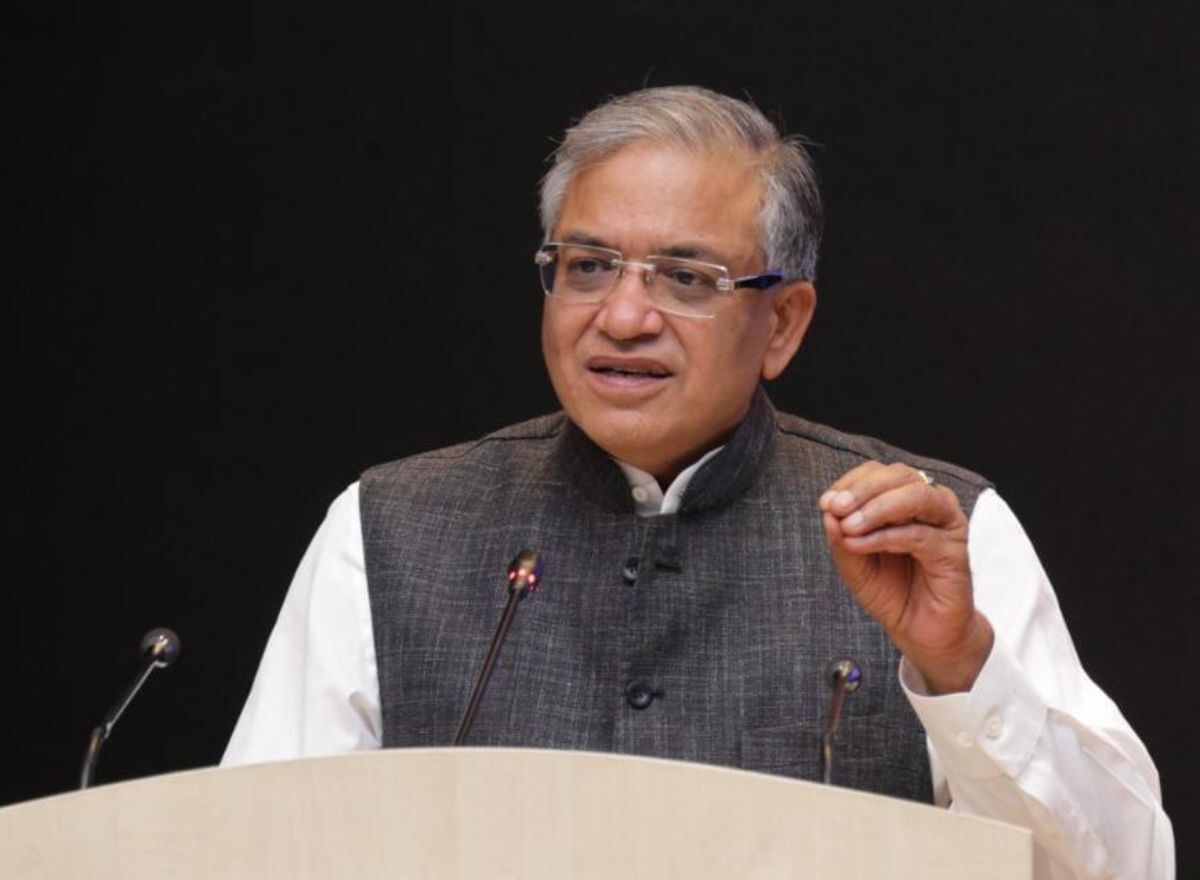
“If you have five minutes, I want to show you something.”
Vivek Velankar walks me out of his house and into his neighbourhood. It’s 11 a.m. on a weekday but the streets of Patwardhan Baug are empty. The bungalows and apartments are quietly blushing with autumn colours. Somewhere, a dog is barking lazily.
All this is a welcome relief in a city like Pune, where cafes are taking over chai-kattas (hang-out spots), and the old wadas (bungalows) are counting their days before glass-front towers come up in their place. A high-speed bus corridor is being tried out in some places; …

India’s second-largest brokerage by active clients wants to handle IPOs as a merchant banker. But gaining a foothold in the highly competitive sector is easier said than done.
Influence cannot be manufactured through diaspora networks, carefully branded events or political donations. It requires honesty and credibility.
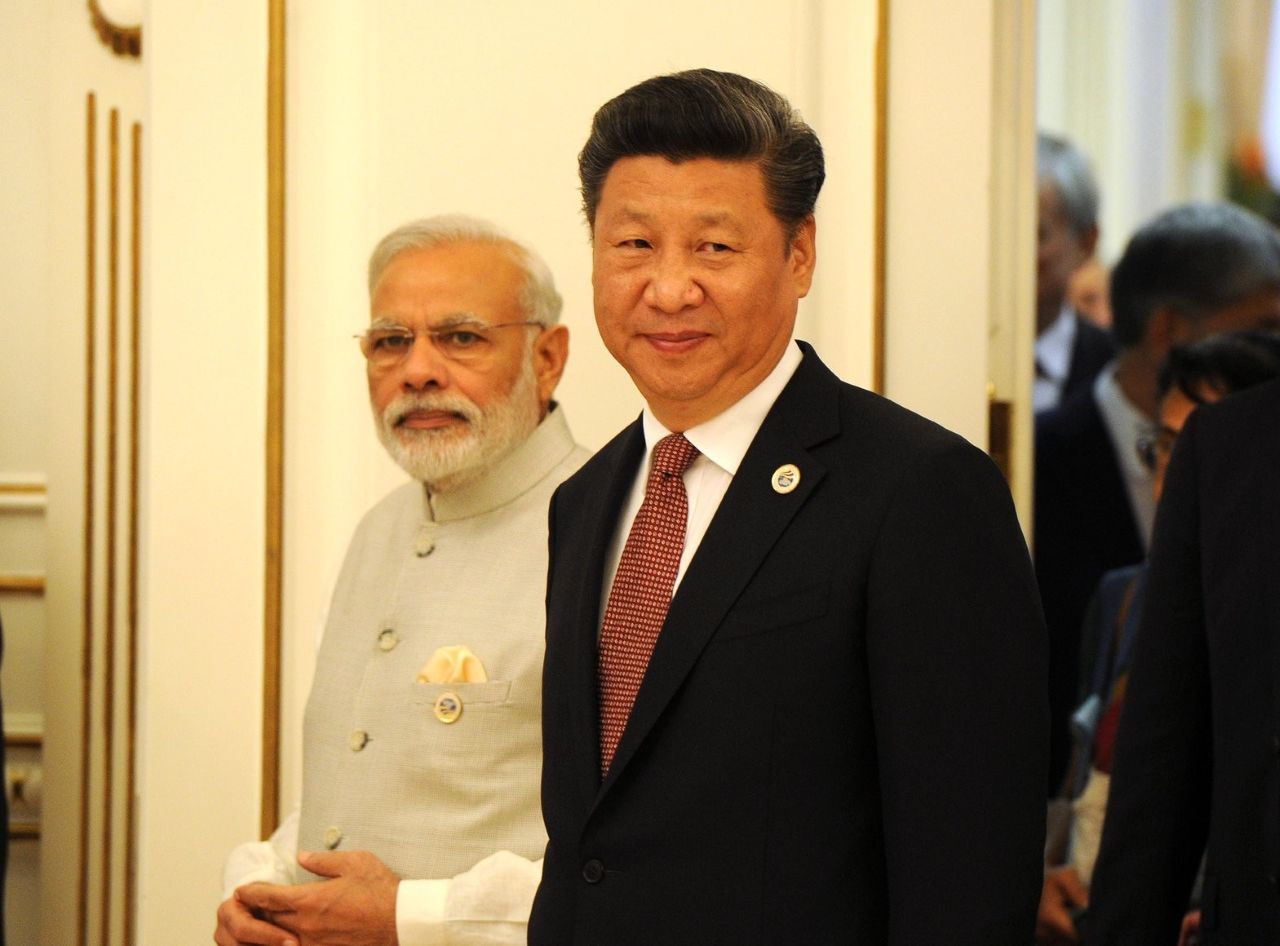
Chinese diplomats to India are saying all the right things for Indian ears, but Beijing’s policy actions are moving in the opposite direction.