/
•
•
Detailed stories on technology startups, business and economic current affairs.
Riders confirm that a new rate card issued on Thursday carries the promise of higher pay, but remain sceptical about the company’s intentions.



Editor's note: Blinkit seems to have finally caved. Nearly two weeks after its reduced payouts for delivery partners led to unprecedented strikes and the shutdown of several dark stores, the quick commerce company released a new payment structure on Thursday evening. The structure, which varies from store to store, largely restores payouts to earlier levels, four delivery partners confirmed to The Morning Context on Friday. One of them shared a photograph of the notice pasted outside the company’s Rani Laxmibai Nagar dark store in Ghaziabad, carrying details of the new pay structure. The new pay structure, called “Summer Daily MinG”, is valid from 20 April to 30 April for this particular dark store. In it, Blinkit offers to pay a guaranteed minimum of Rs 450 for 16 orders, going up to Rs 1,000 for 33 orders on weekends. On weekdays, it ranges between Rs 520 (18 orders) and Rs 1,100 (35 orders). This comes to: Rs 28-30 per order during weekends; Rs 28-31 per order on weekdays and;Rs 36-38 per order between 21-23 April on the occasion of Eid. An updated version of …
Riders confirm that a new rate card issued on Thursday carries the promise of higher pay, but remain sceptical about the company’s intentions.
Editor's note: Blinkit seems to have finally caved. Nearly two weeks after its reduced payouts for delivery partners led to unprecedented strikes and the shutdown of several dark stores, the quick commerce company released a new payment structure on Thursday evening. The structure, which varies from store to store, largely restores payouts to earlier levels, four delivery partners confirmed to The Morning Context on Friday. One of them shared a photograph of the notice pasted outside the company’s Rani Laxmibai Nagar dark store in Ghaziabad, carrying details of the new pay structure. The new pay structure, called “Summer Daily MinG”, is valid from 20 April to 30 April for this particular dark store. In it, Blinkit offers to pay a guaranteed minimum of Rs 450 for 16 orders, going up to Rs 1,000 for 33 orders on weekends. On weekdays, it ranges between Rs 520 (18 orders) and Rs 1,100 (35 orders). This comes to: Rs 28-30 per order during weekends; Rs 28-31 per order on weekdays and;Rs 36-38 per order between 21-23 April on the occasion of Eid. An updated version of …

The Walmart-owned e-commerce company has entered microdramas and food delivery. Is it thinking long-term or just chasing a trend?
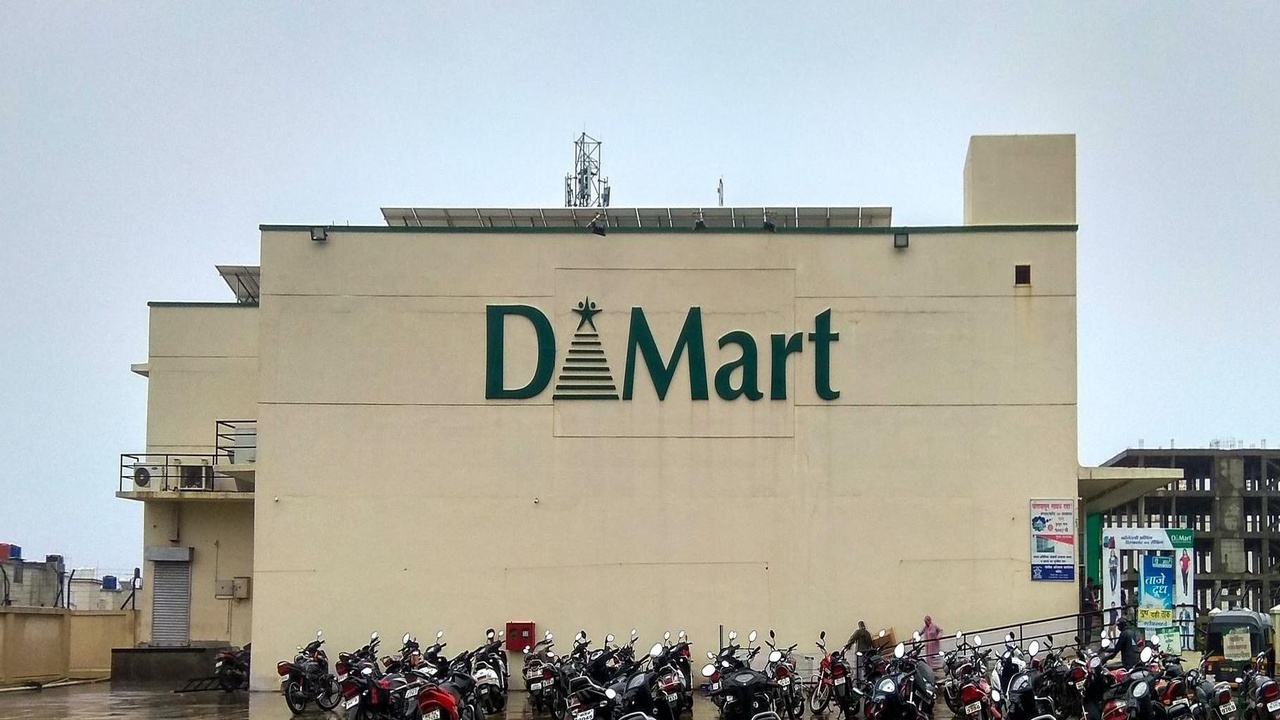
The retailer has shrunk operations to fix its loss-making vertical. But a reduced presence risks hurting volumes in a segment dominated by Blinkit and Instamart.

The popular super app startup is seeing widening losses, Dubai’s financial zone wants more wealth and Aramco’s big quarter.
The Walmart-owned e-commerce company has entered microdramas and food delivery. Is it thinking long-term or just chasing a trend?
The retailer has shrunk operations to fix its loss-making vertical. But a reduced presence risks hurting volumes in a segment dominated by Blinkit and Instamart.
The popular super app startup is seeing widening losses, Dubai’s financial zone wants more wealth and Aramco’s big quarter.