/
•
•
Detailed stories on technology startups, business and economic current affairs.
RBI’s refusal of a banking licence for Chaitanya India Fin Credit seems to be forcing him to either cut his stake in the business or cash out.



On 17 May last year, Navi Technologies’s chairman Sachin Bansal made a rare media appearance to announce his company’s maiden issuance of non-convertible debentures. The virtual press conference, though, was memorable for a different reason. While Bansal was telling journalists about the NCD issue, the Reserve Bank of India announced that his Navi Finserv’s wholly owned microfinance subsidiary Chaitanya India Fin Credit’s application for a banking licence had been rejected.
Put on the spot, Bansal was forced to give a reaction. “We haven’t received written communication from the RBI yet,” the former Flipkart chief executive said, weighing his sentences carefully. …
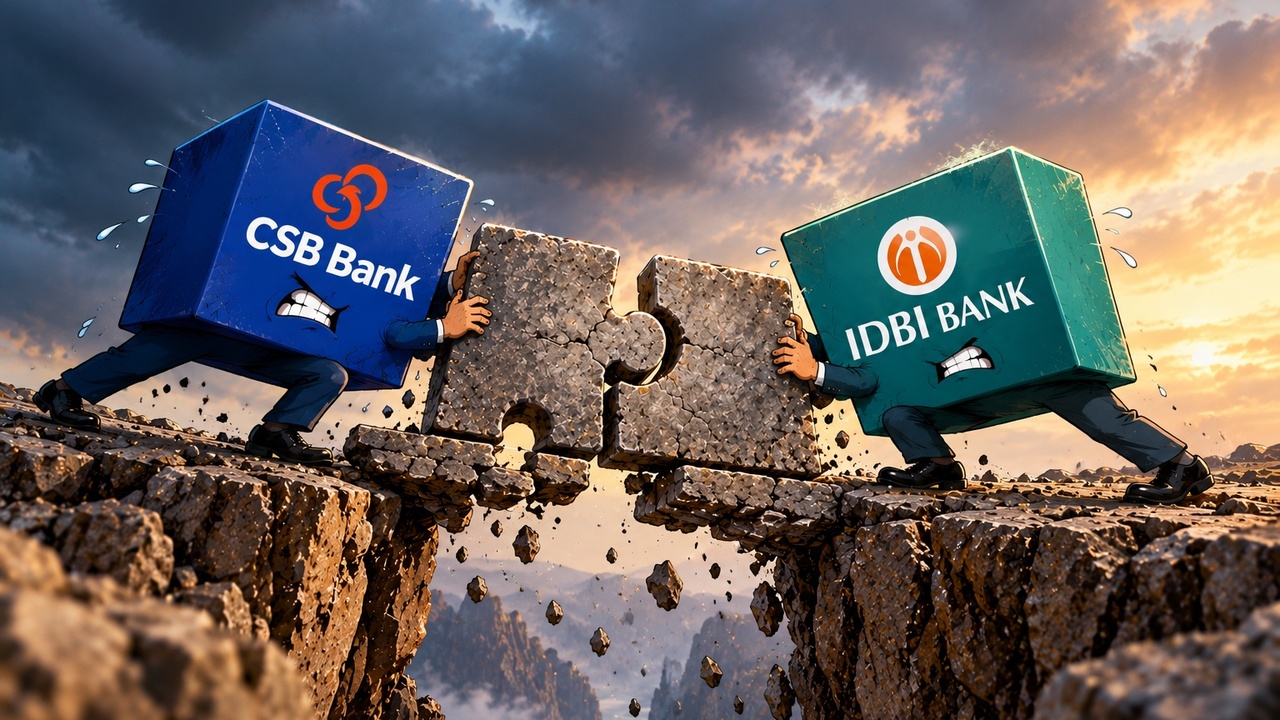
The acquisition of IDBI Bank puts his Fairfax smack dab in the middle of the RBI’s rules on bank ownership. It must now decide whether to sell CSB Bank or merge the two lenders, neither of which will be easy.

Lenders stand to gain a lot more than borrowers in the current challenging market environment

The loan aggregator keeps sending updates on WhatsApp even to users who haven’t applied for a loan. The company is exploiting a grey area in India’s telecom regulatory framework and WhatsApp’s policies.