/
•
•
Detailed stories on technology startups, business and economic current affairs.
As fresh $1 billion+ firms get minted, now is a good time to take stock of India’s older unicorns and what they’ve accomplished with their prized status.



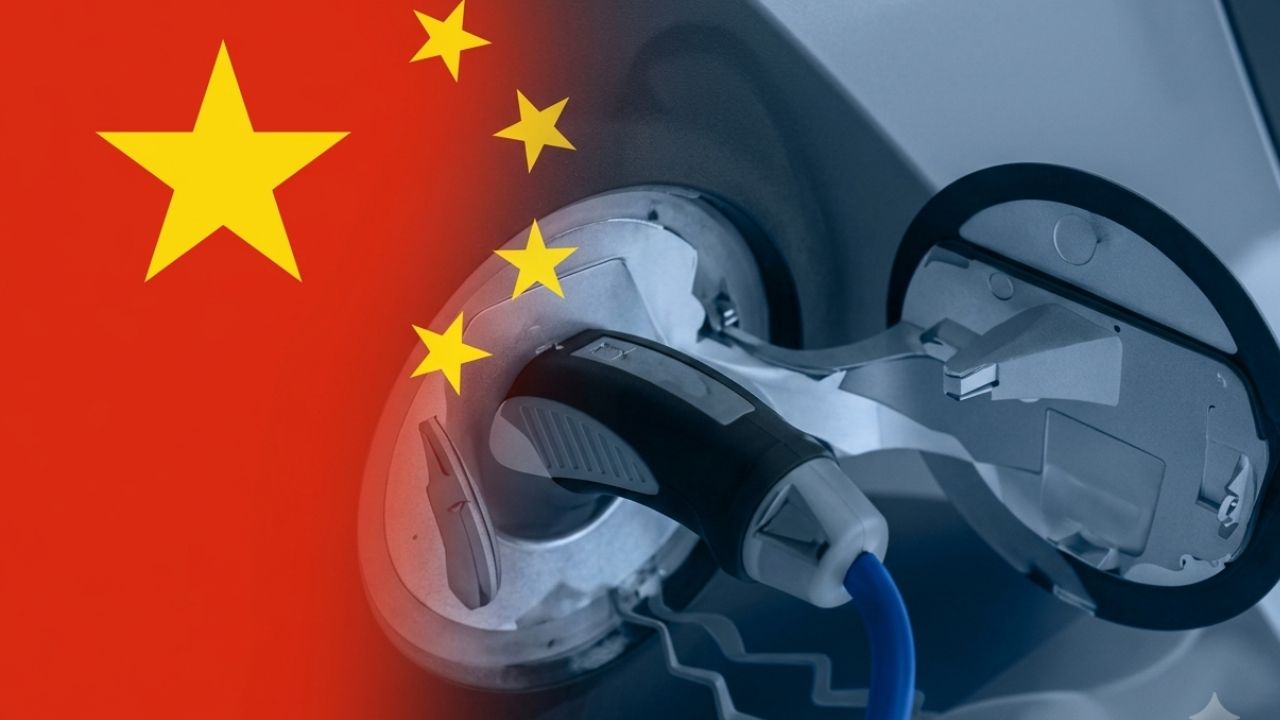
Nine fresh unicorns were announced in less than four months of 2021. This has never happened before in India.
Starting 2011, when InMobi became India’s first unicorn—a startup valued at $1 billion or more—the country’s tally of these mythical creatures has gone up slowly. But this year promises to be different, and in a not-so-unexpected turn, everyone from entrepreneurs and venture capital investors to analysts and even casual observers staring at the precipice that lies between chasing your own dreams and ditching a 9-5 job have transformed into cheerleaders of the ecosystem. Times like these can be heady. Which is …

India’s grocery and food delivery platforms are increasingly displaying misleading images of food using artificial intelligence, defeating the very purpose of buying online.
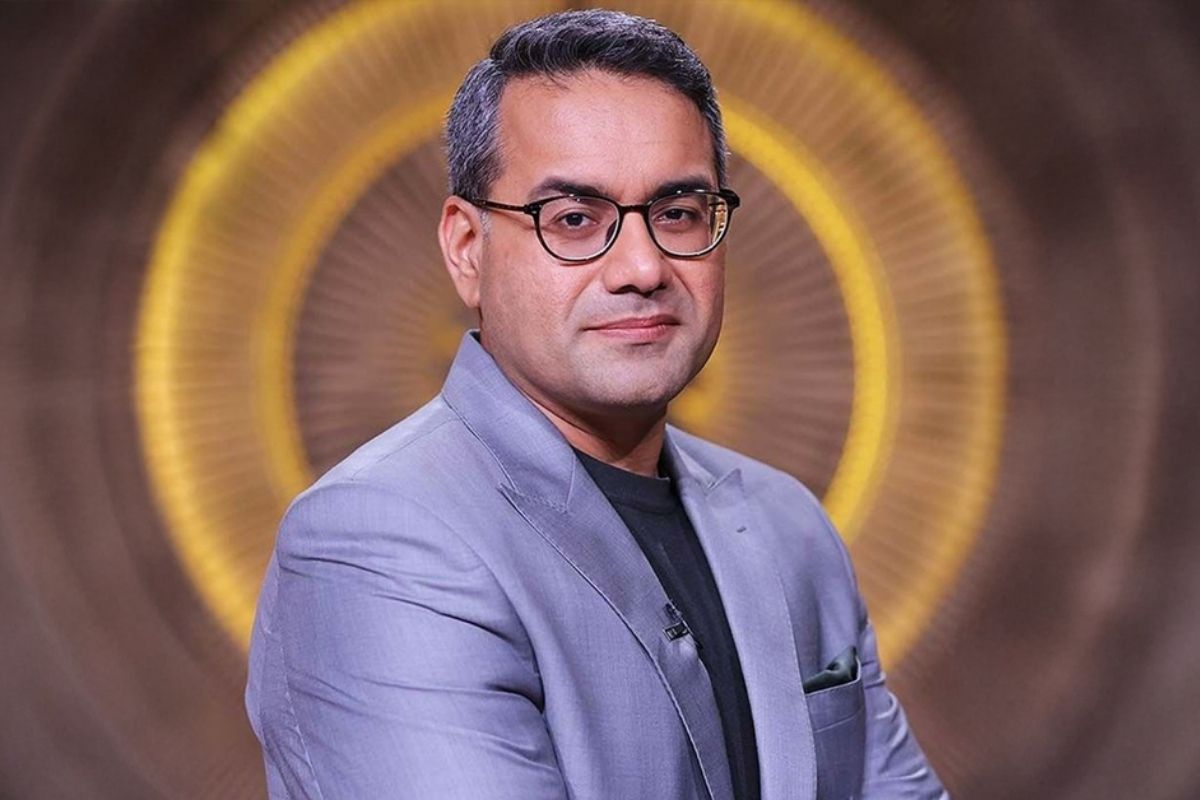
Parent AceVector is headed for a public market debut next week. As much as 97% of its revenue comes from two businesses. One is already a listed entity, the other a missed opportunity.

The EV maker is back for fresh capital as its businesses fail to generate enough to sustain themselves.