/
•
•
Detailed stories on technology startups, business and economic current affairs.
As fresh $1 billion+ firms get minted, we continue to take stock of India’s older unicorns and what they’ve accomplished with their prized status.



Editor's note: In the spirit of all the fresh 2021 unicorns, we at The Morning Context are revisiting some older ones this week. Yesterday, we published part 1 of our state of Indian unicorns report, where we looked back at 14 unicorns minted through 2011-18, including the likes of InMobi, Flipkart, Ola, Paytm, Byju’s and Hike. The deeper we go, the clearer it is that the past can’t be left behind. There are cautionary tales like those of Quikr and ShopClues, and there are successful exits like Flipkart’s. And in each of these stories is the lesson that building a startup is a painstaking, continuous journey. It doesn’t end with a successful fundraise, even at a billion-dollar valuation. If anything, the hard part comes after. Today, we pick 15 relatively newer unicorns, minted between 2018 and 2020. Not all of them are young companies, just new in the $1 billion and above club. Not only is it important to look at how these companies are faring, but their stories also have enough lessons for the latest bunch of unicorns. A deep and …
As fresh $1 billion+ firms get minted, we continue to take stock of India’s older unicorns and what they’ve accomplished with their prized status.
Editor's note: In the spirit of all the fresh 2021 unicorns, we at The Morning Context are revisiting some older ones this week. Yesterday, we published part 1 of our state of Indian unicorns report, where we looked back at 14 unicorns minted through 2011-18, including the likes of InMobi, Flipkart, Ola, Paytm, Byju’s and Hike. The deeper we go, the clearer it is that the past can’t be left behind. There are cautionary tales like those of Quikr and ShopClues, and there are successful exits like Flipkart’s. And in each of these stories is the lesson that building a startup is a painstaking, continuous journey. It doesn’t end with a successful fundraise, even at a billion-dollar valuation. If anything, the hard part comes after. Today, we pick 15 relatively newer unicorns, minted between 2018 and 2020. Not all of them are young companies, just new in the $1 billion and above club. Not only is it important to look at how these companies are faring, but their stories also have enough lessons for the latest bunch of unicorns. A deep and …
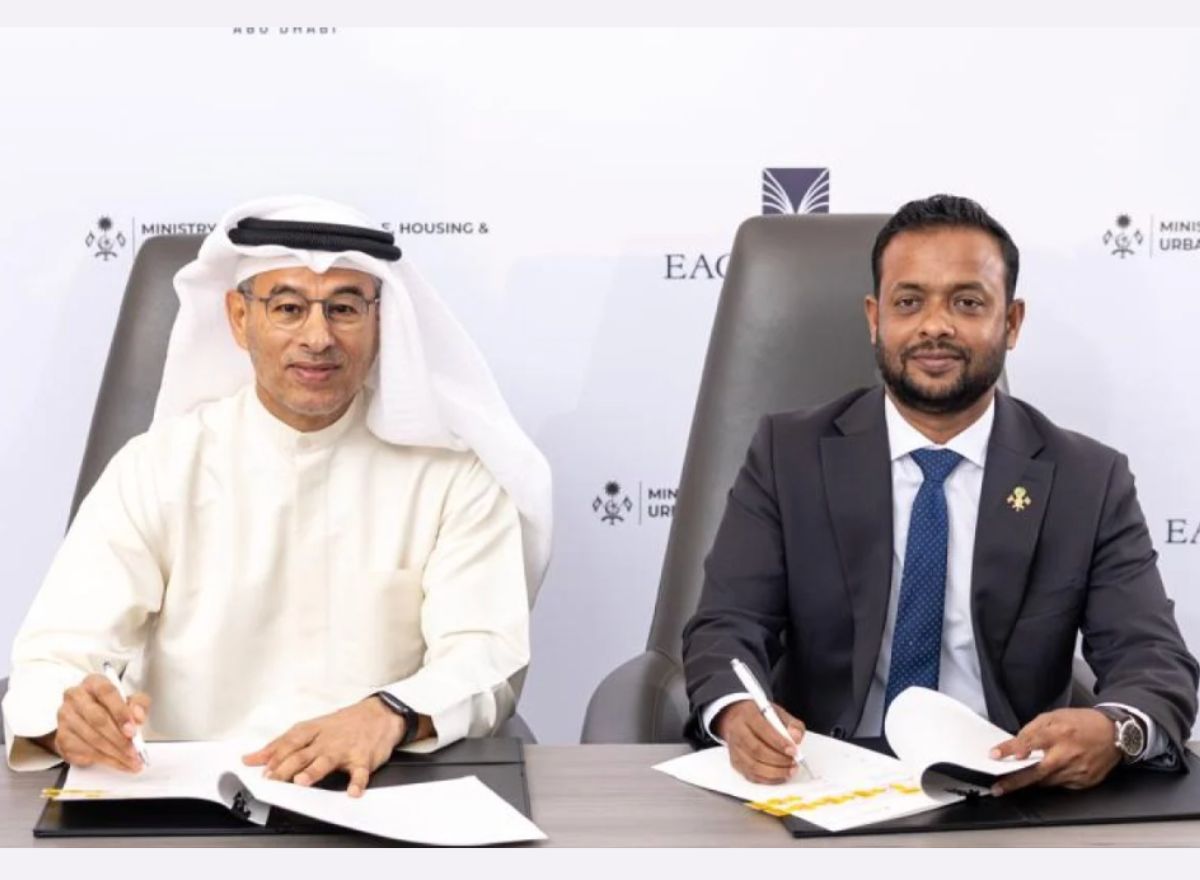
Billionaire Mohamed Alabbar goes for the Indian Ocean archipelago, India’s PhonePe gets UAE approval, and other updates from the week.

The EV maker is back for fresh capital as its businesses fail to generate enough to sustain themselves.

Vish Narain of Pulsar Capital on spotting real synergies between India and the Gulf, and why many entrepreneurs read the market wrong.
Billionaire Mohamed Alabbar goes for the Indian Ocean archipelago, India’s PhonePe gets UAE approval, and other updates from the week.
The EV maker is back for fresh capital as its businesses fail to generate enough to sustain themselves.
Vish Narain of Pulsar Capital on spotting real synergies between India and the Gulf, and why many entrepreneurs read the market wrong.