/
•
•
Detailed stories on technology startups, business and economic current affairs.




Across the board, platforms and services in India have been cutting out or restructuring their recurring/subscription payments. For the time being, many have dropped the option to set up automatic debits on cards, both credit and debit.
A quick refresher in case you haven’t been following the saga: The Reserve Bank of India had in September 2019 announced a new set of guidelines for any kind of recurring or automated digital payment. This covered everything—credit and debit cards, digital wallets, net banking, UPI. The biggest impact, though, was for card payments.
Earlier, a customer could sign up for a subscription …
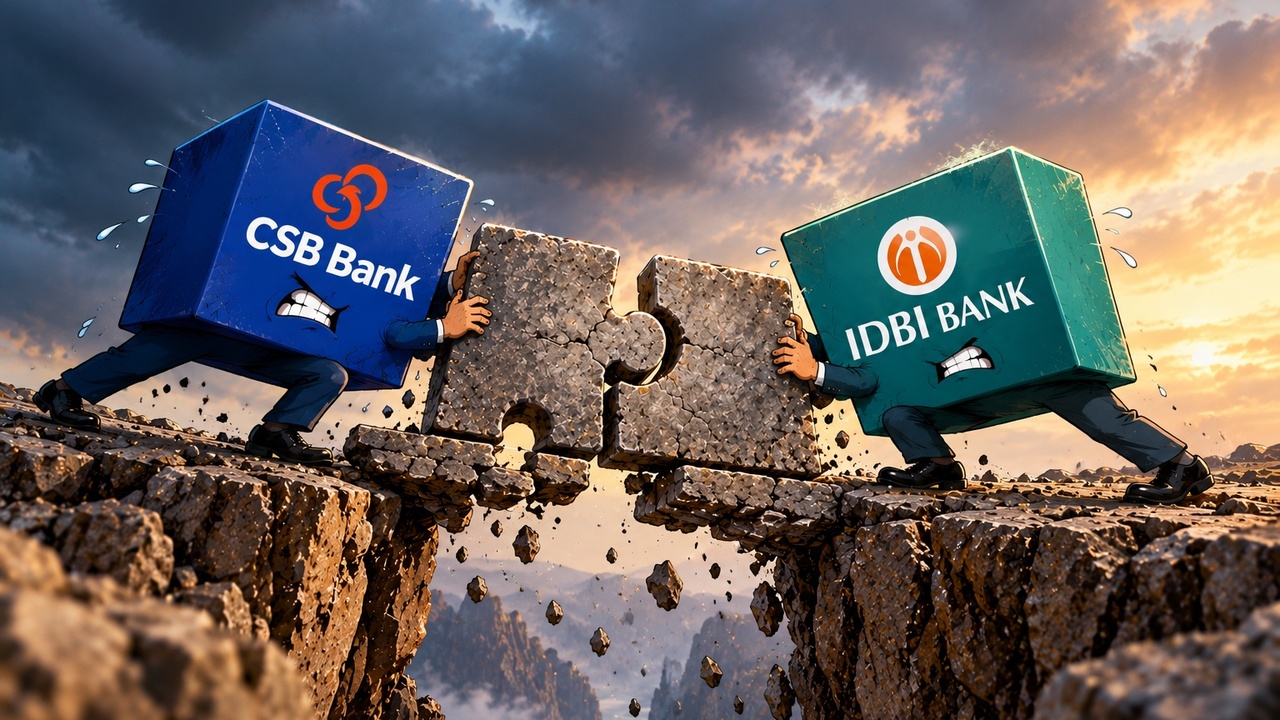
The acquisition of IDBI Bank puts his Fairfax smack dab in the middle of the RBI’s rules on bank ownership. It must now decide whether to sell CSB Bank or merge the two lenders, neither of which will be easy.

Lenders stand to gain a lot more than borrowers in the current challenging market environment

A local fintech deal to consolidate operations, feedback on Saudi Arabia’s proposed IPO rules, and Ras Al Khaimah’s casino economy.