/
•
•
Detailed stories on technology startups, business and economic current affairs.
Runaway fuel prices will be ruinous as will the market regulator assuming the role of investment banker.



Editor's note: Furquan here. It’s been a hellish start to the day. Ukraine is getting bombarded by Russian missiles and everything from markets to crude has been left shell-shocked. There’s nothing to stop the government from raising fuel prices once the ongoing assembly polls get over. But what if there is, and the government could hold on? That’s something the Securities and Exchange Board of India should also try. When it comes to the contentious IPO pricing issue, the market regulator seems to be just shooting in the dark. Read on. Government should spring a surprise, hold fuel prices An announcement of a hike in petrol and diesel prices is imminent. For all we know, the statement in this connection is probably already ready. The wait is just for the assembly polls to get over on 7 March. Otherwise there’s nothing to explain why the government, which had kept raising petrol and diesel prices even when global rates were low, hasn’t reacted to crude oil hitting the $100-a-barrel mark. The prevailing constant retail prices are an aberration under a government that has …

Runaway fuel prices will be ruinous as will the market regulator assuming the role of investment banker.
Editor's note: Furquan here. It’s been a hellish start to the day. Ukraine is getting bombarded by Russian missiles and everything from markets to crude has been left shell-shocked. There’s nothing to stop the government from raising fuel prices once the ongoing assembly polls get over. But what if there is, and the government could hold on? That’s something the Securities and Exchange Board of India should also try. When it comes to the contentious IPO pricing issue, the market regulator seems to be just shooting in the dark. Read on. Government should spring a surprise, hold fuel prices An announcement of a hike in petrol and diesel prices is imminent. For all we know, the statement in this connection is probably already ready. The wait is just for the assembly polls to get over on 7 March. Otherwise there’s nothing to explain why the government, which had kept raising petrol and diesel prices even when global rates were low, hasn’t reacted to crude oil hitting the $100-a-barrel mark. The prevailing constant retail prices are an aberration under a government that has …


As the smart fan maker gears up for an IPO, prospective investors could do with some clarity on what the company’s next phase of growth will look like.
The stock market regulator is investigating a string of disappointing public listings. The idea is to send a message.
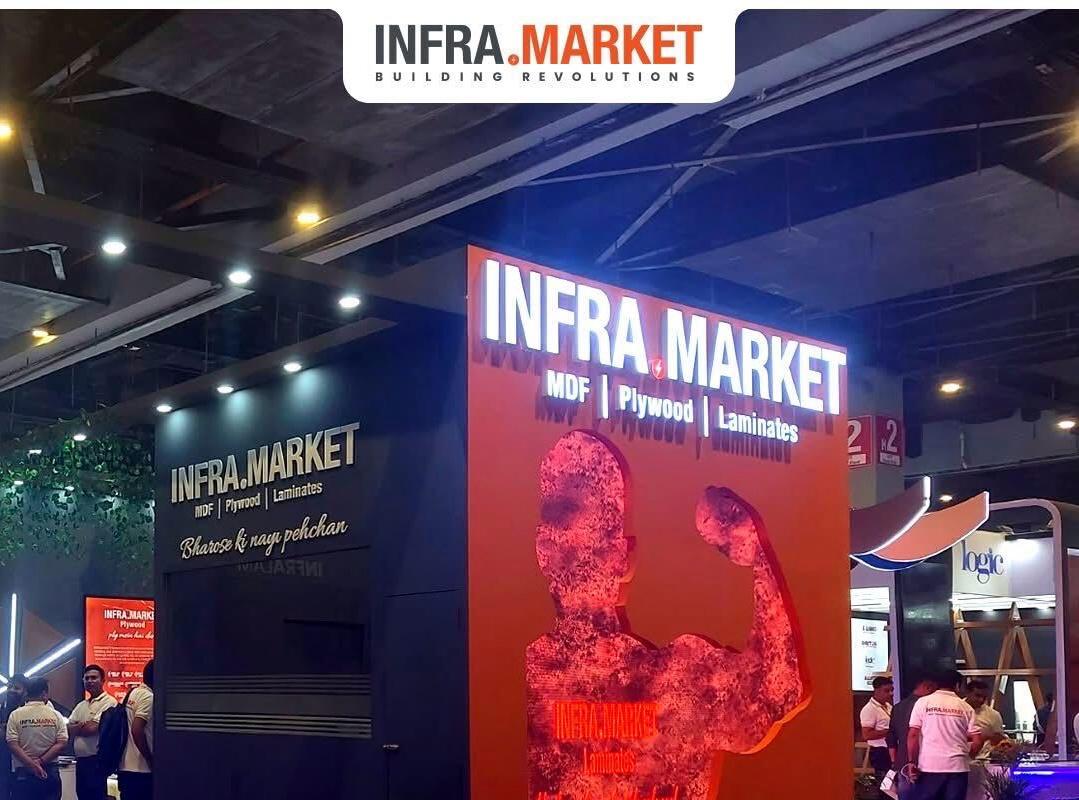
A Rs 10,440 crore share swap with listed Shalimar Paints could give the building materials startup a public market presence without a traditional IPO. But the novel route leaves investors grappling with dilution, valuation and governance concerns.
As the smart fan maker gears up for an IPO, prospective investors could do with some clarity on what the company’s next phase of growth will look like.
The stock market regulator is investigating a string of disappointing public listings. The idea is to send a message.
A Rs 10,440 crore share swap with listed Shalimar Paints could give the building materials startup a public market presence without a traditional IPO. But the novel route leaves investors grappling with dilution, valuation and governance concerns.