/
•
•
Detailed stories on technology startups, business and economic current affairs.
Twice in 26 months, the Gujarat-based company’s promoters announce decisions that give ordinary investors short shrift.




On 16 December, shares of Gujarat-based industrial equipment maker GMM Pfaudler—trading post the 2:1 bonus issue announced in July this year—fell over 14% to close at Rs 1,644. The sharp drop was a reaction to news of one of the promoters divesting their stake in the company.
A similar episode happened a little over two years ago. In September 2020, in the course of two weeks, the stock slid from Rs 5,926 to Rs 3,613—a 40% drop. Then, the promoters had come out with an offer for sale of shares.
Spread 26 months apart, the two episodes are no coincidence: …

Thinly traded listed entities have long served as breeding grounds for stock manipulation, hurting investors. The regulator, the NSE and BSE now want to fix things by focusing on efficient delisting.

The newly announced levy on UPI payments undermines the very foundation of using digital payments for stock market investing. Brokers are in a tizzy.
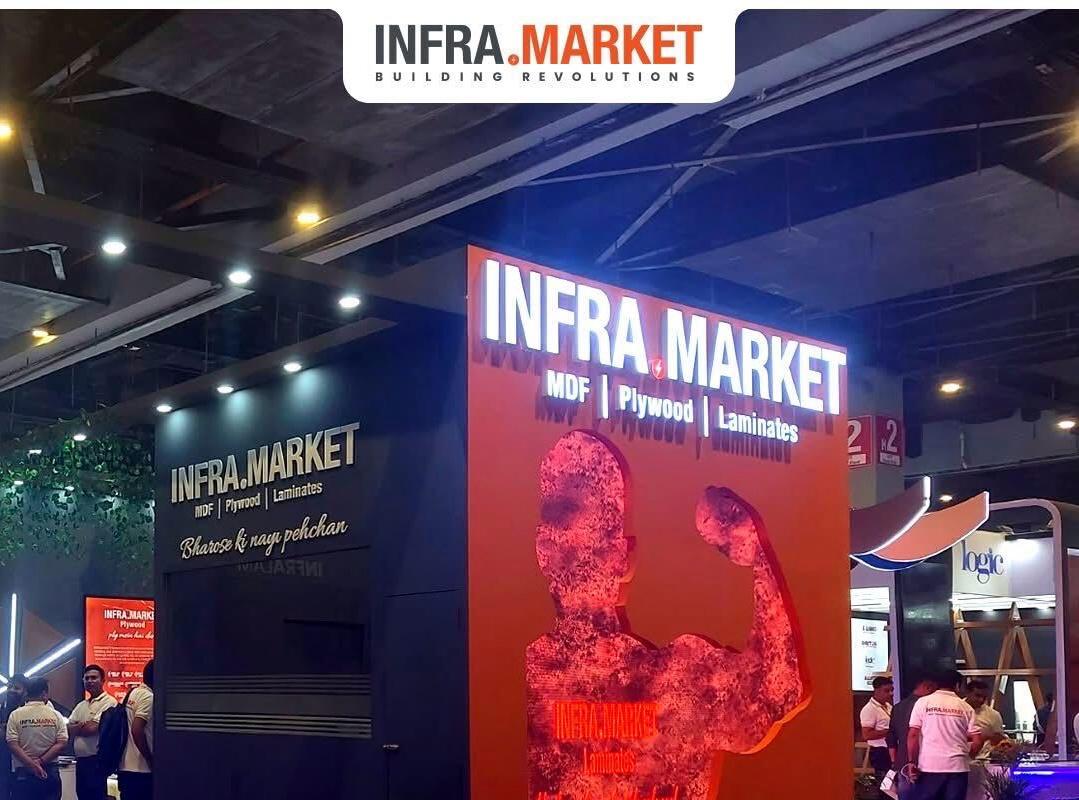
A Rs 10,440 crore share swap with listed Shalimar Paints could give the building materials startup a public market presence without a traditional IPO. But the novel route leaves investors grappling with dilution, valuation and governance concerns.