/
•
•
Detailed stories on technology startups, business and economic current affairs.
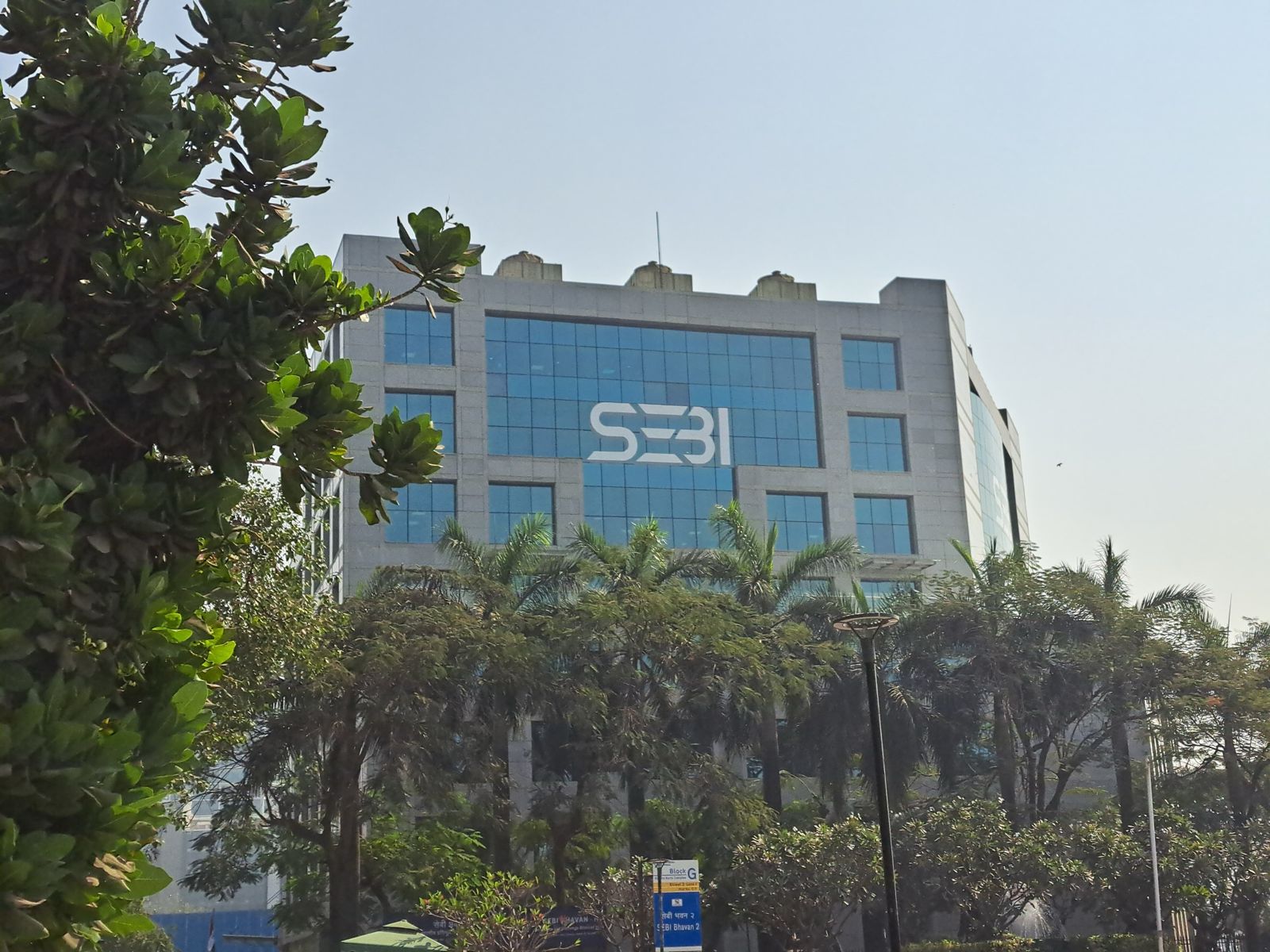
The US-based investment firm says it holds short positions in the conglomerate.



Editor's note: Hindenburg Research has accused the Adani group of stock manipulation, accounting irregularities and misappropriation of funds. All nine group stocks listed on the stock exchanges are trading in the red, after the US-based activist investment firm published its report on Wednesday. Hindenburg says the group’s listed companies had “substantial debt”, putting it on a “precarious financial footing”. The firm disclosed that it holds short positions in the group through “US-traded bonds and non-Indian-traded derivative instruments”. “Even if you ignore the findings of our investigation,” says the report, the group’s “key listed companies have 85 per cent downside purely on a fundamental basis owing to sky-high valuations”. Over the past two years, the market capitalization of the Adani group’s nine stocks has grown more than 6x to over $226 billion (Rs 18.42 lakh crore). The group’s flagship entity, Adani Enterprises Ltd, is in the midst of raising up to Rs 20,000 crore in fresh equity capital to fund its road construction, solar power and airports verticals. Based on a two-year investigation into the group, the firm made several allegations. Following are …

The US-based investment firm says it holds short positions in the conglomerate.
Editor's note: Hindenburg Research has accused the Adani group of stock manipulation, accounting irregularities and misappropriation of funds. All nine group stocks listed on the stock exchanges are trading in the red, after the US-based activist investment firm published its report on Wednesday. Hindenburg says the group’s listed companies had “substantial debt”, putting it on a “precarious financial footing”. The firm disclosed that it holds short positions in the group through “US-traded bonds and non-Indian-traded derivative instruments”. “Even if you ignore the findings of our investigation,” says the report, the group’s “key listed companies have 85 per cent downside purely on a fundamental basis owing to sky-high valuations”. Over the past two years, the market capitalization of the Adani group’s nine stocks has grown more than 6x to over $226 billion (Rs 18.42 lakh crore). The group’s flagship entity, Adani Enterprises Ltd, is in the midst of raising up to Rs 20,000 crore in fresh equity capital to fund its road construction, solar power and airports verticals. Based on a two-year investigation into the group, the firm made several allegations. Following are …


A Rs 10,440 crore share swap with listed Shalimar Paints could give the building materials startup a public market presence without a traditional IPO. But the novel route leaves investors grappling with dilution, valuation and governance concerns.
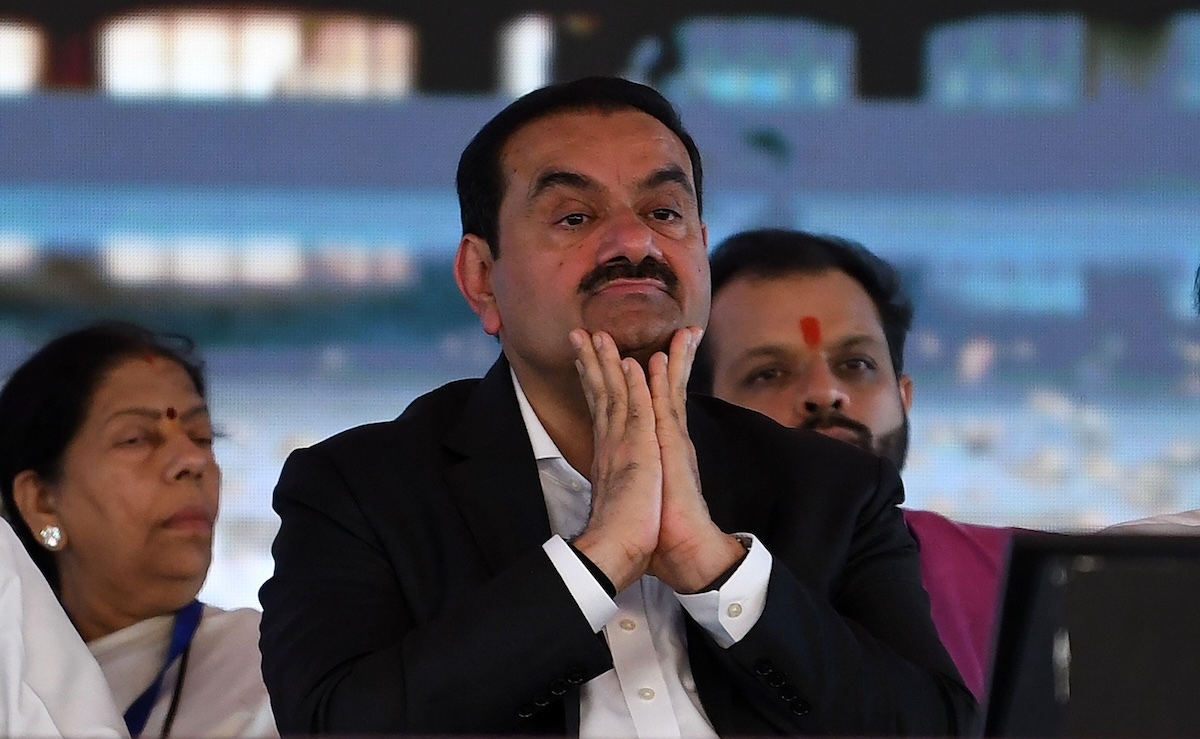
A regulatory easing could see the billionaire’s conglomerate move from running airports to owning an airline—an idea he is warming up to, with multiple options open.
The Bengaluru-based contract manufacturer lands in legal hot water with the California-headquartered transformer startup over a trade secret dispute.
A Rs 10,440 crore share swap with listed Shalimar Paints could give the building materials startup a public market presence without a traditional IPO. But the novel route leaves investors grappling with dilution, valuation and governance concerns.
A regulatory easing could see the billionaire’s conglomerate move from running airports to owning an airline—an idea he is warming up to, with multiple options open.
The Bengaluru-based contract manufacturer lands in legal hot water with the California-headquartered transformer startup over a trade secret dispute.