/
•
•
Detailed stories on technology startups, business and economic current affairs.
The rapid increase in valuation of the energy exchange mirrors the changes in the power sector and offers a preview to its own future.

Editor's note: With stock indices breaking records every week and millions of new investors queuing up to trade on exchanges, you’d expect an equity bourse to be the most valuable listed exchange in the country today. That, however, isn’t the case. Instead it’s the Indian Energy Exchange, or IEX, which takes the podium. The electricity trading platform, whose stock has witnessed a more than 4x increase in value in just the last year alone, is leagues ahead of the likes of stock exchange BSE and commodities trading platform Multi Commodity Exchange of India in terms of valuation. (A caveat: The National Stock Exchange of India, the country’s biggest stock exchange, isn’t listed.) IEX’s rise has been meteoric. Set up in 2008 to help utilities buy and sell power to meet contingencies like sudden spikes in demand, it wasn’t envisaged as a great business as nearly all power purchase agreements at that point were long-term contracts and just about 2.5% of power consumed was traded in the over-the-counter market. Today, IEX handles 6.3% of an average 180 gigawatts of daily demand, which constitutes …
The rapid increase in valuation of the energy exchange mirrors the changes in the power sector and offers a preview to its own future.

Editor's note: With stock indices breaking records every week and millions of new investors queuing up to trade on exchanges, you’d expect an equity bourse to be the most valuable listed exchange in the country today. That, however, isn’t the case. Instead it’s the Indian Energy Exchange, or IEX, which takes the podium. The electricity trading platform, whose stock has witnessed a more than 4x increase in value in just the last year alone, is leagues ahead of the likes of stock exchange BSE and commodities trading platform Multi Commodity Exchange of India in terms of valuation. (A caveat: The National Stock Exchange of India, the country’s biggest stock exchange, isn’t listed.) IEX’s rise has been meteoric. Set up in 2008 to help utilities buy and sell power to meet contingencies like sudden spikes in demand, it wasn’t envisaged as a great business as nearly all power purchase agreements at that point were long-term contracts and just about 2.5% of power consumed was traded in the over-the-counter market. Today, IEX handles 6.3% of an average 180 gigawatts of daily demand, which constitutes …
ADNOC’s strong numbers underline a strategy built on higher output, shipping gains and new routes that sidestep the risky Strait of Hormuz.

From cancelled races to scrambled calendars, the Iran conflict is testing an over two-decade partnership that powered the sport’s growth.
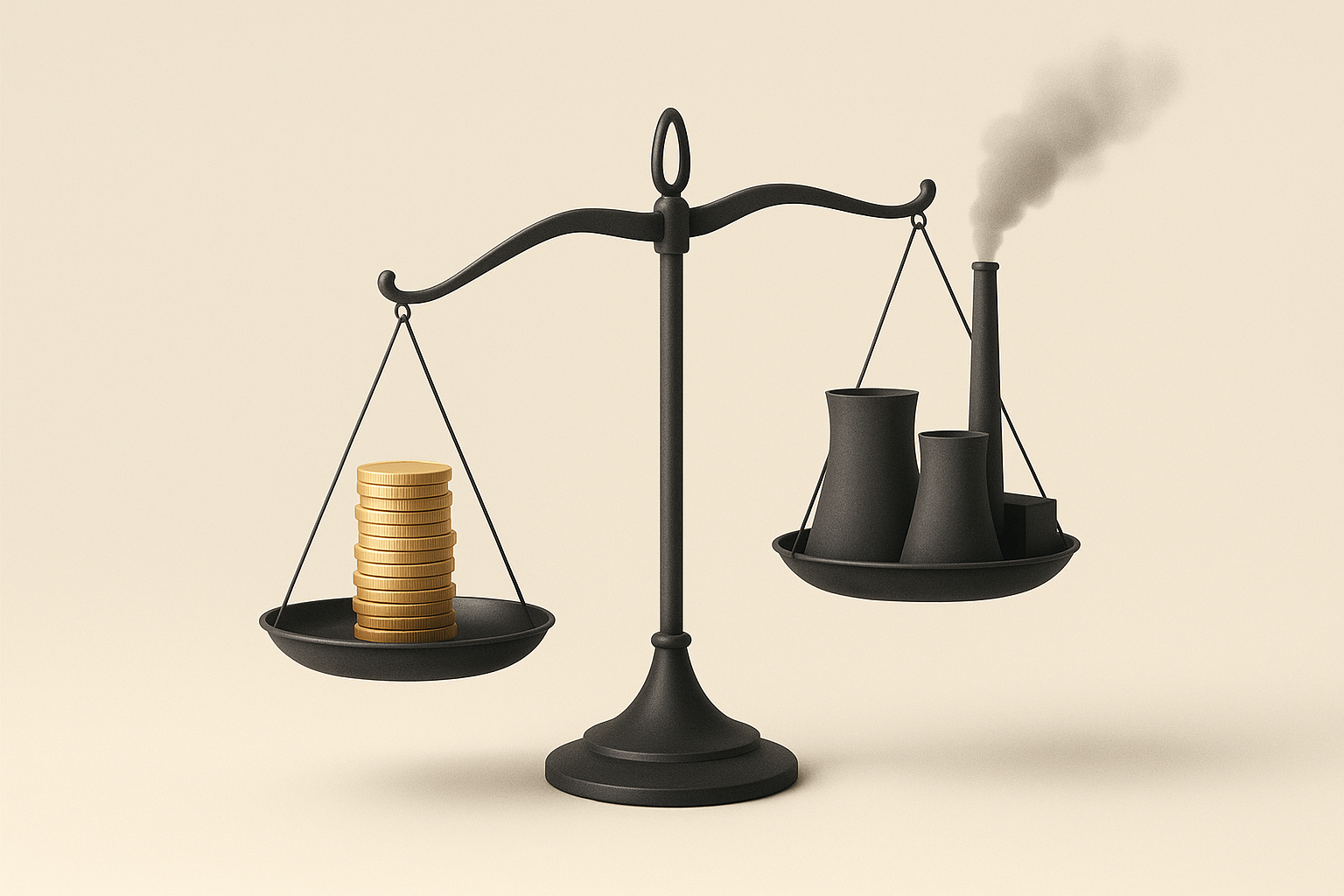
When India’s solar capital says coal no longer adds up, it’s a market signal investors shouldn’t ignore. Separately, Deutsche Bank sets a €900 billion sustainable finance target by 2030 and COP30 falls short of expectations.

ADNOC’s strong numbers underline a strategy built on higher output, shipping gains and new routes that sidestep the risky Strait of Hormuz.
From cancelled races to scrambled calendars, the Iran conflict is testing an over two-decade partnership that powered the sport’s growth.
When India’s solar capital says coal no longer adds up, it’s a market signal investors shouldn’t ignore. Separately, Deutsche Bank sets a €900 billion sustainable finance target by 2030 and COP30 falls short of expectations.