/
•
•
Detailed stories on technology startups, business and economic current affairs.
The Tata group chairman may be prepping investors for a sharp dip in overall valuation, a first in five years.



On Monday, Tata Sons chairman N. Chandrasekaran said that inflation could play spoilsport to business prospects over the year. Addressing shareholders at the virtual annual general meeting of Tata Consumer Products Ltd, the fifth most valuable company in the Rs 20 lakh crore group, he warned that the existing operating environment remains highly volatile and persistent inflation will likely impact demand.
That was the second time in a month that Chandrasekaran has voiced concerns about inflation. In the second week of June, at the annual meeting of Tata Consultancy Services too, he said, “The Russia-Ukraine crisis has imparted a stagflationary …
Once seen as a threat, global capability centres appear to be becoming a potential growth driver for the country’s IT giants.
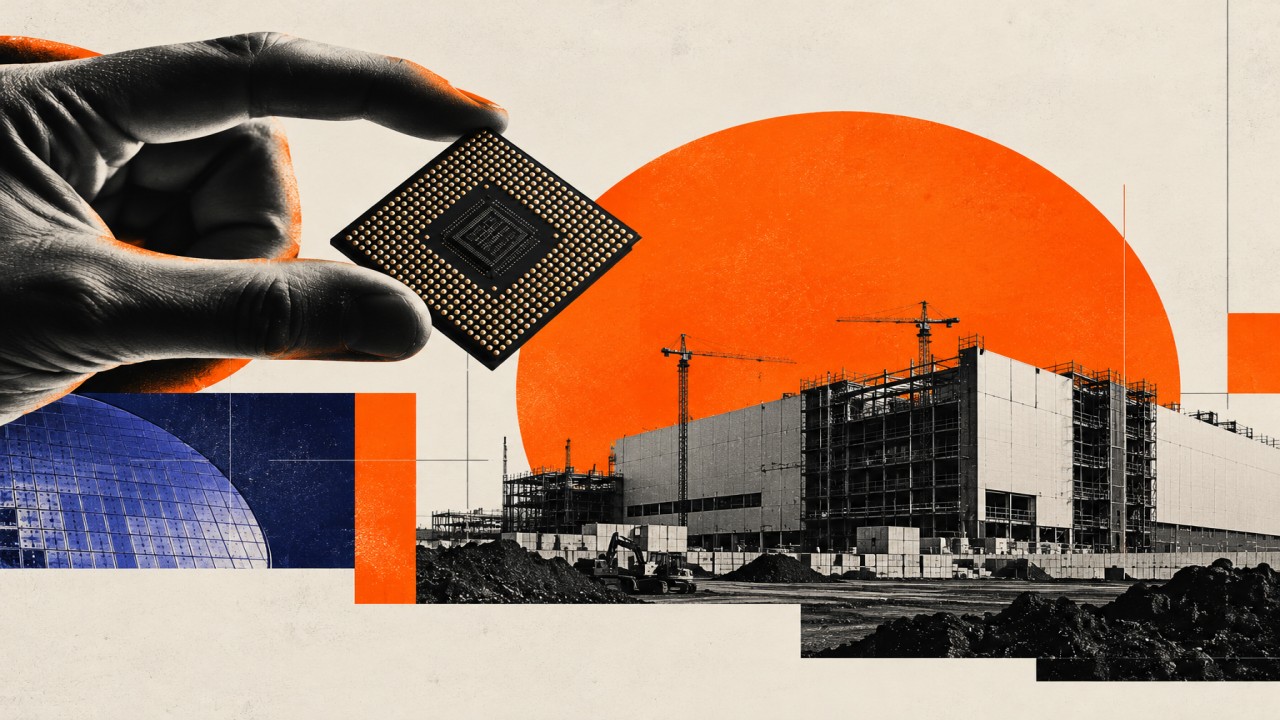
Government subsidies have drawn companies into basic chip packaging, where China and Malaysia already hold an edge. Moving up the value chain may prove to be a stiff task.
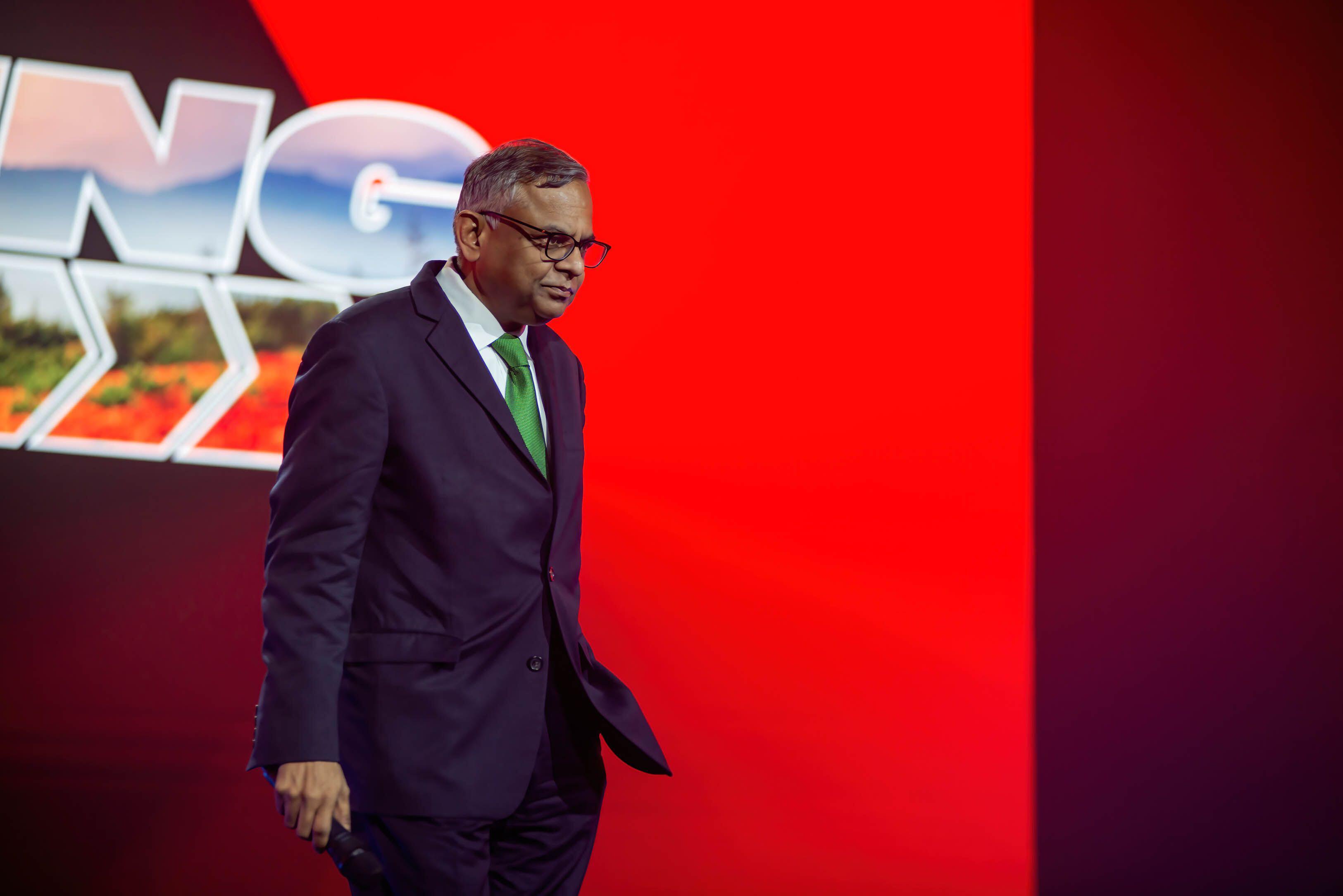
In a surprise move on Wednesday, the Tata Sons chairman announced he will exit Bombay House at the end of his tenure in February 2027. He leaves at what is one of the most crucial times for the group.