/
•
•
Detailed stories on technology startups, business and economic current affairs.
The latest GDP data, albeit impressive, belie the oft-repeated consumption breakout story and green shoots. Even more worrying is the unequal nature of consumption.



On 17 May, finance minister Nirmala Sitharaman made a bold projection. “The Indian consumer market is likely to double by 2031, there is a $2.9 tn opportunity in that,” she said, citing an S&P report at the Annual Business Summit of the Confederation of Indian Industry.
Two weeks later, the government announced India’s 2023-24 GDP growth number. Here, private consumption—a key component of GDP—showed signs of strain rather than opportunity.
The divergence between what the government would have you believe and the actual data is hard to miss.
Private final consumption expenditure, or PFCE, grew at a rate less than …
The regional economy is expected to take a big hit in 2026, venture capital activity is starting to show signs of strain, and Saudi Arabia’s sovereign fund has a new investment strategy.
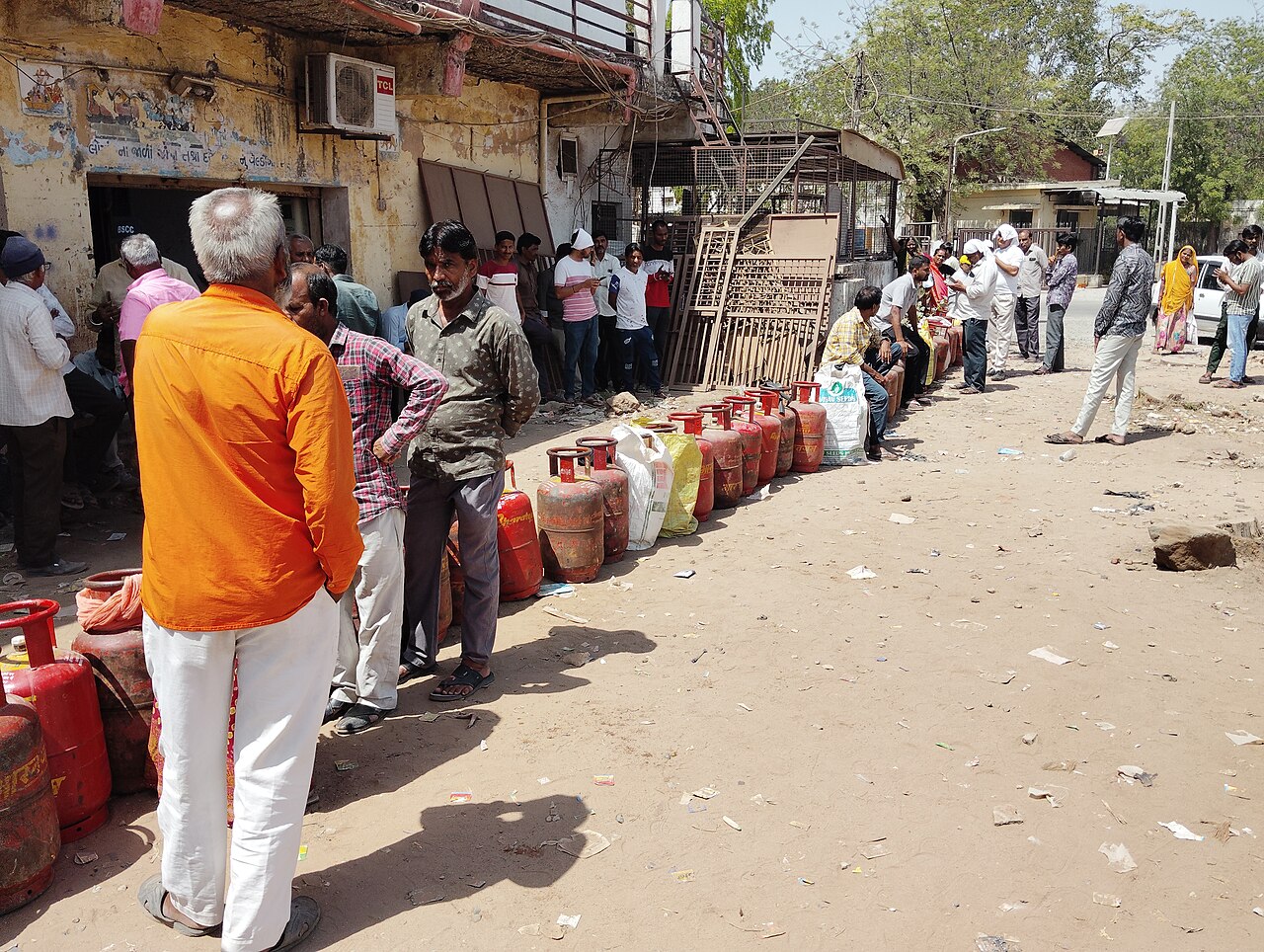
Though the war in the Gulf is pinching the Indian economy, things aren’t too bad. But much needs to be done if the situation drags on or worsens, rather than waiting for it to come to pass.

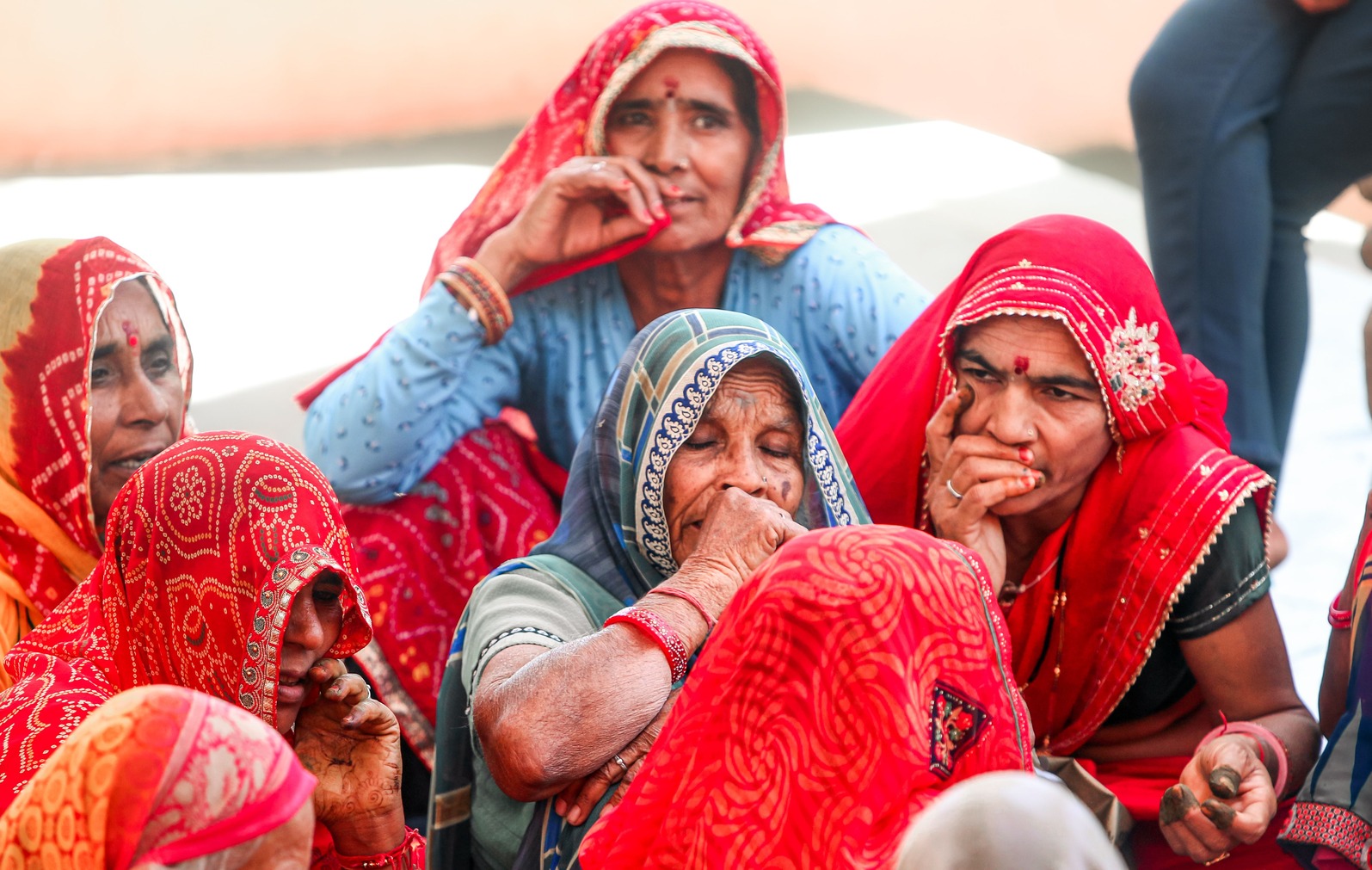
How well rural consumption is doing is subjective. What isn’t subjective is how growing indebtedness, combined with stagnant income growth, is creating a tinderbox for households, banks and consumer companies that no one is talking about.