/
•
•
Detailed stories on technology startups, business and economic current affairs.
Industry leader JSW Steel faces a challenger in ArcelorMittal Nippon Steel India. With both companies drawing up ambitious plans to expand capacity, a battle looms.



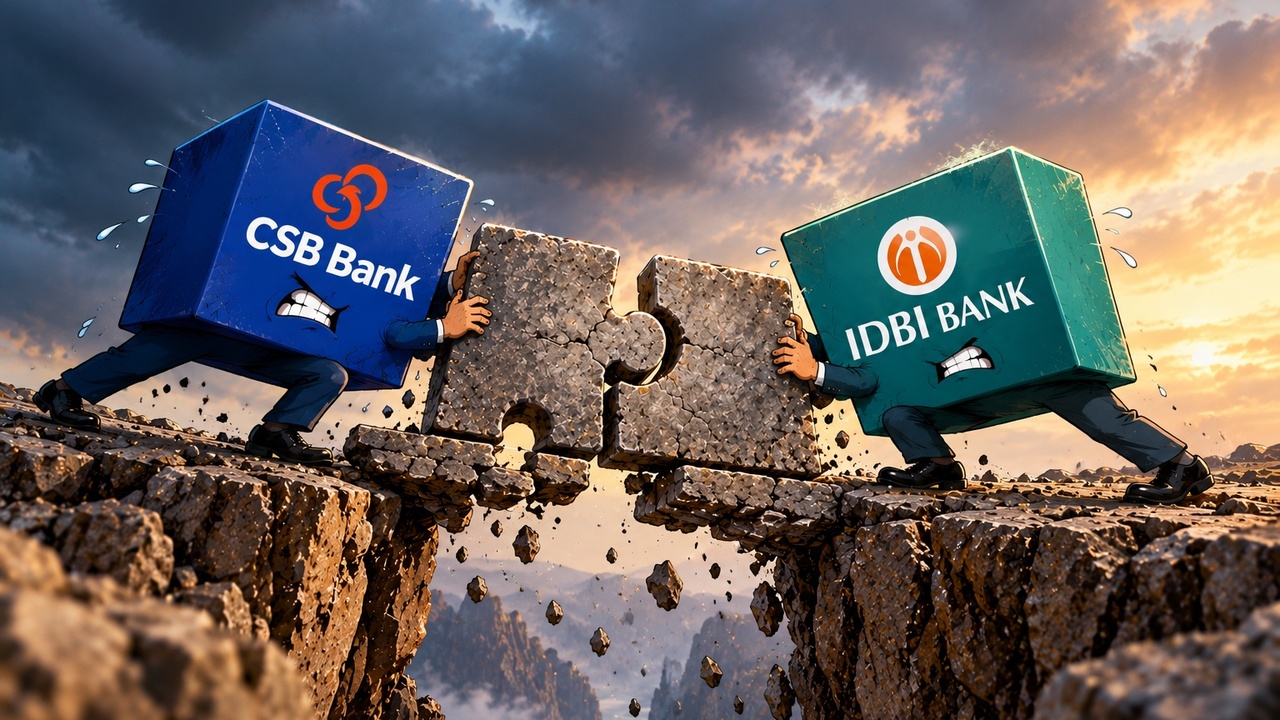
In the heat and dust of India’s steel plants running at full tilt amid a bull run in prices, an anticipation is building of a fight as hot as the molten metal. It’s a tussle in a market that is already the second largest in the world, and is expected to grow by nearly three times in the next 10 years. At stake is one crown. In the fray are two entrepreneurs and their legacies.
On one side is Sajjan Jindal, chairman and managing director of JSW Steel, who finally seems to have opened up a decisive lead over Tata …
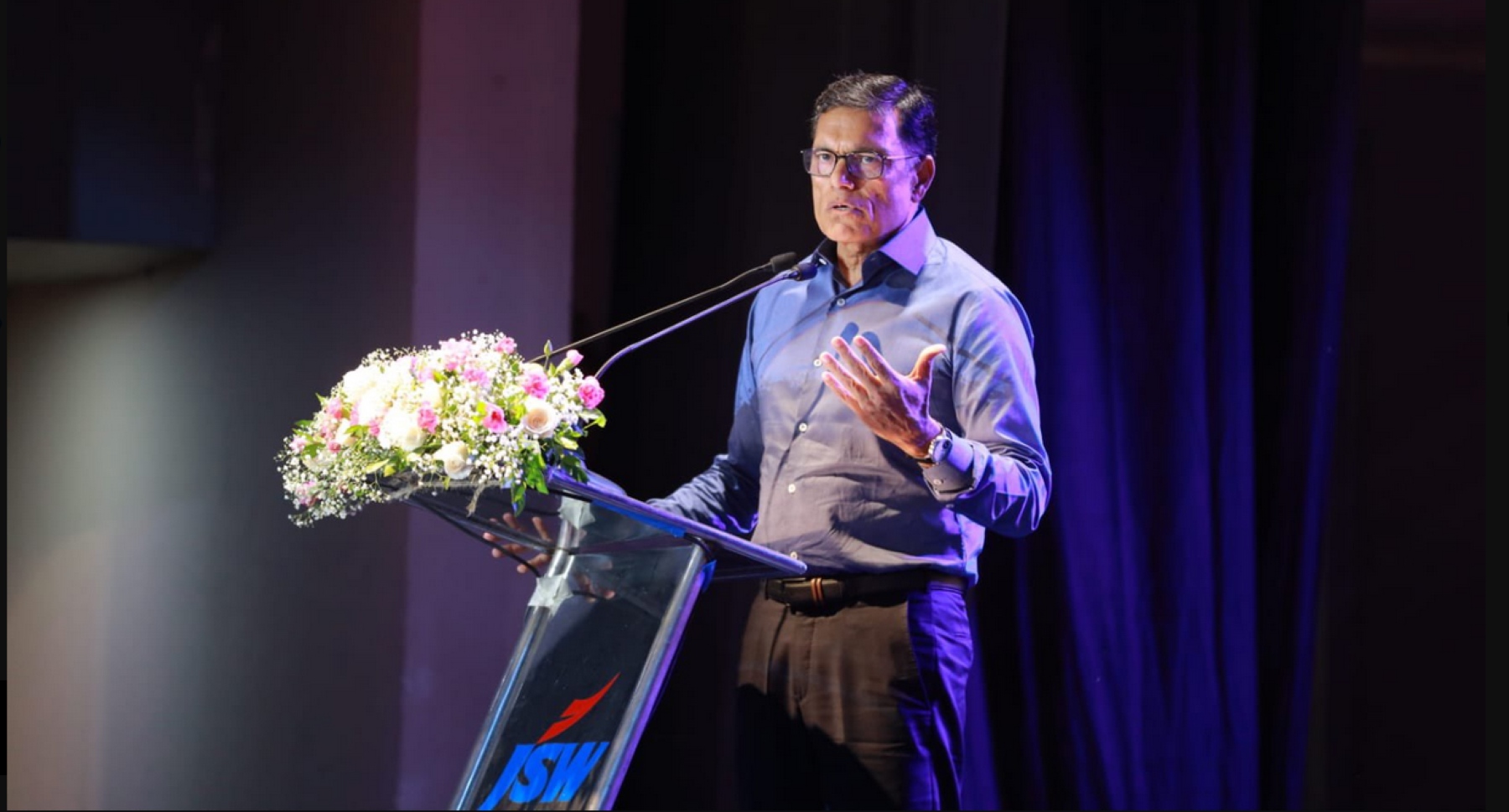
The JSW Steel founder is embarking on an unprecedented expansion, betting on Japan’s JFE and Korea’s POSCO to share the load. But rivalries, debt and market risks could complicate the plan.
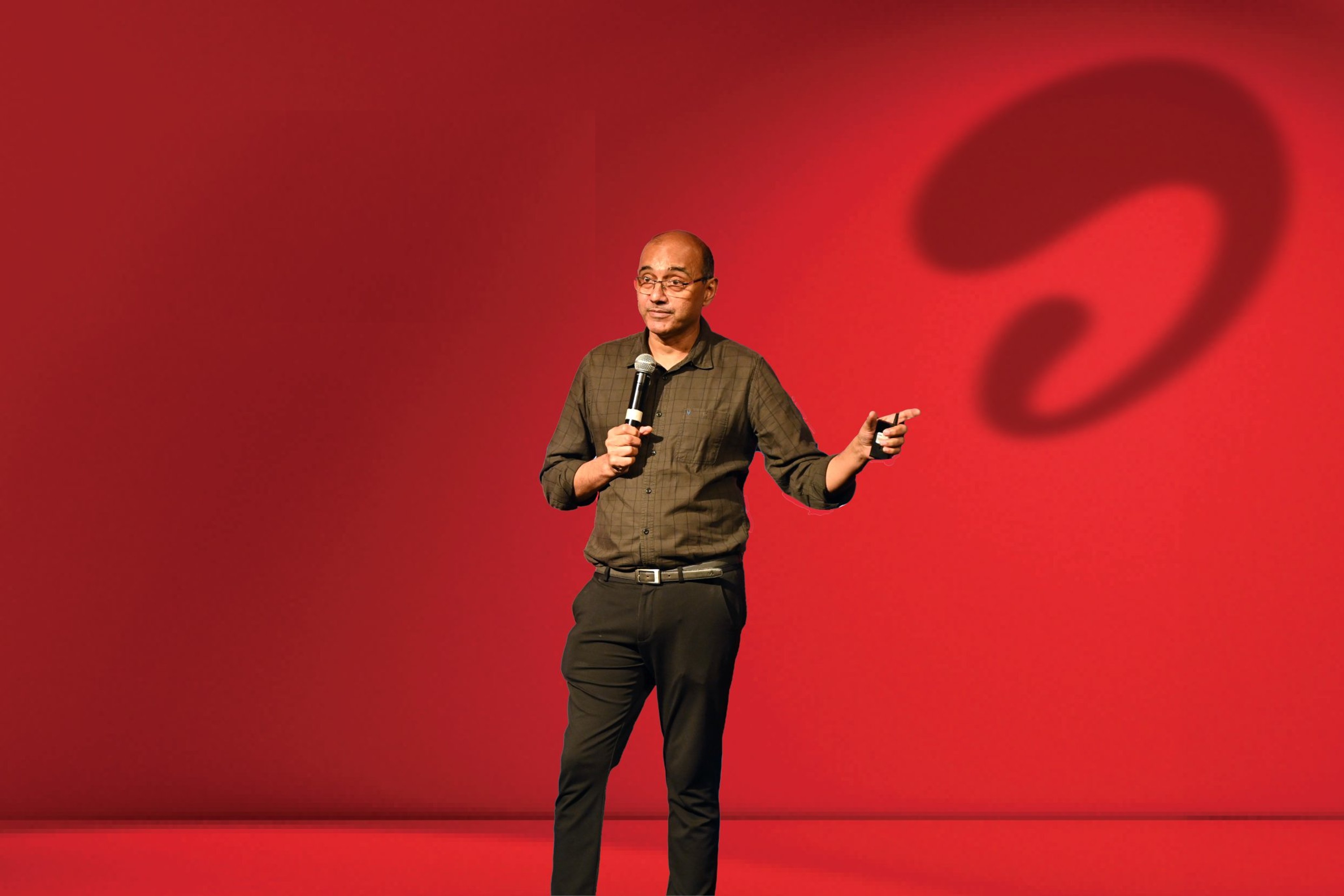
FY26 numbers show that Airtel is stealing a march on its larger rival on most counts and is unrelenting in its ambition, casting a cloud on Jio’s valuation.
Telecom and retail both continue with their ‘hit and miss’, while O2C delivers an unsurprisingly poor performance in Q4. This is a year RIL will be glad to see the back of.