/
•
•
Detailed stories on technology startups, business and economic current affairs.



EVs are all the rage in the Indian automotive sector. Only closely rivalled by the most unprecedented slowdown seen in decades, where people aren’t buying enough vehicles, manufacturers are feeling the pinch and dealerships across the country are slowly but quietly going under.
But as much as the slowdown is temporary—a harsh, long winter let’s say—I think the enthusiasm around EVs is here to stay. Earlier this week, Tata Motors, India’s fifth largest passenger vehicle manufacturer by sales (Tata slipped from fourth to fifth, unseated by Japanese car maker Toyota) launched the Nexon EV at an introductory price of Rs …

India’s second-largest brokerage by active clients wants to handle IPOs as a merchant banker. But gaining a foothold in the highly competitive sector is easier said than done.
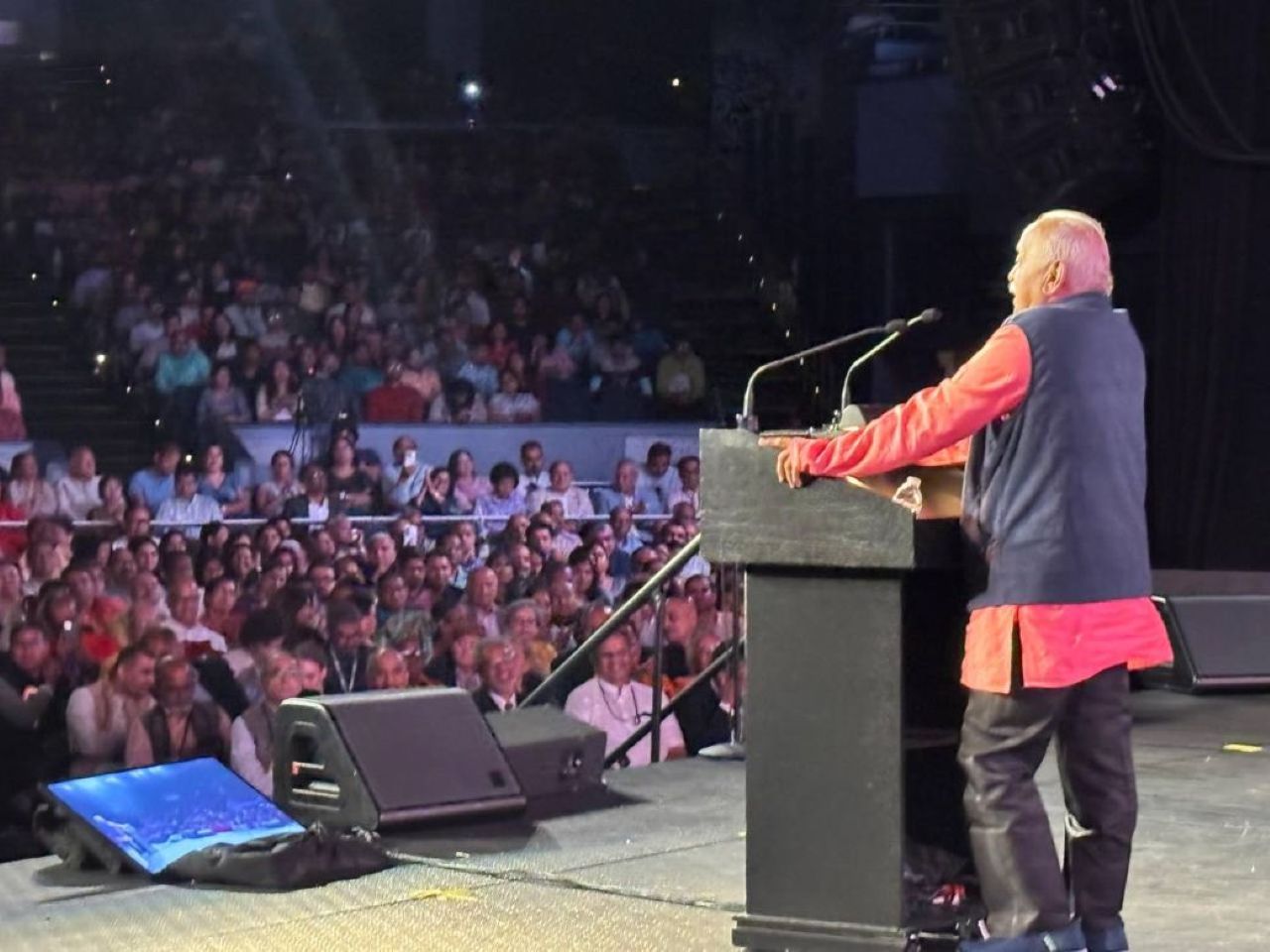
Influence cannot be manufactured through diaspora networks, carefully branded events or political donations. It requires honesty and credibility.
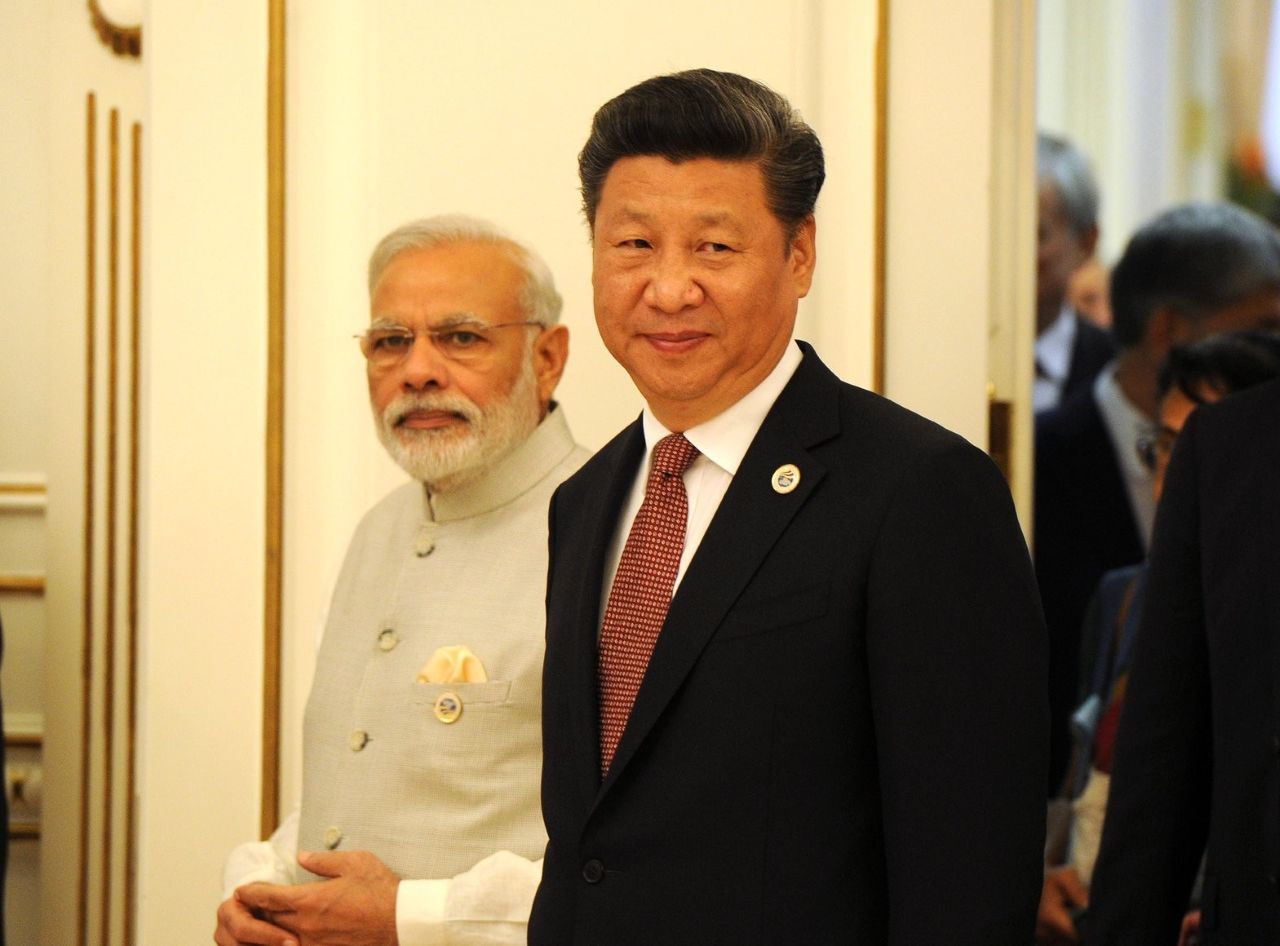
Chinese diplomats to India are saying all the right things for Indian ears, but Beijing’s policy actions are moving in the opposite direction.