/
•
•
Detailed stories on technology startups, business and economic current affairs.
The late scientist, who would have turned 91 on 15 October, exemplified the authority and dignity that India’s founding personalities envisaged in the country’s highest office.



Editor's note: A.P.J. Abdul Kalam, who would have turned 91 on 15 October, was born on the periphery of a country degraded by centuries of submission to foreign rule. Narendra Modi, eager to affix himself to the memory of Kalam, extolled the late scientist’s service to our country. There was a slickly produced clip, as there always is when the prime minister is involved, that lavished almost equal attention on Modi and Kalam. Worse: Kalam, the person being memorialized, looked like the deuteragonist to Modi’s protagonist. Modi must rank as the most hagiologized leader alive: there have been two biopics on his life, cartoon books in which a young Narendra is wrestling crocodiles, adoring biographies by dubious writers, and even a proposal to include his life in school curriculum. The life of Kalam, on the other hand, remains so little known. Nothing in the origins of the man who can reasonably be called the greatest president of our republic gave any indication of his astounding career that was to come. Rameswaram to rocket engineer Republic. In 1931, the year of Kalam’s birth, …
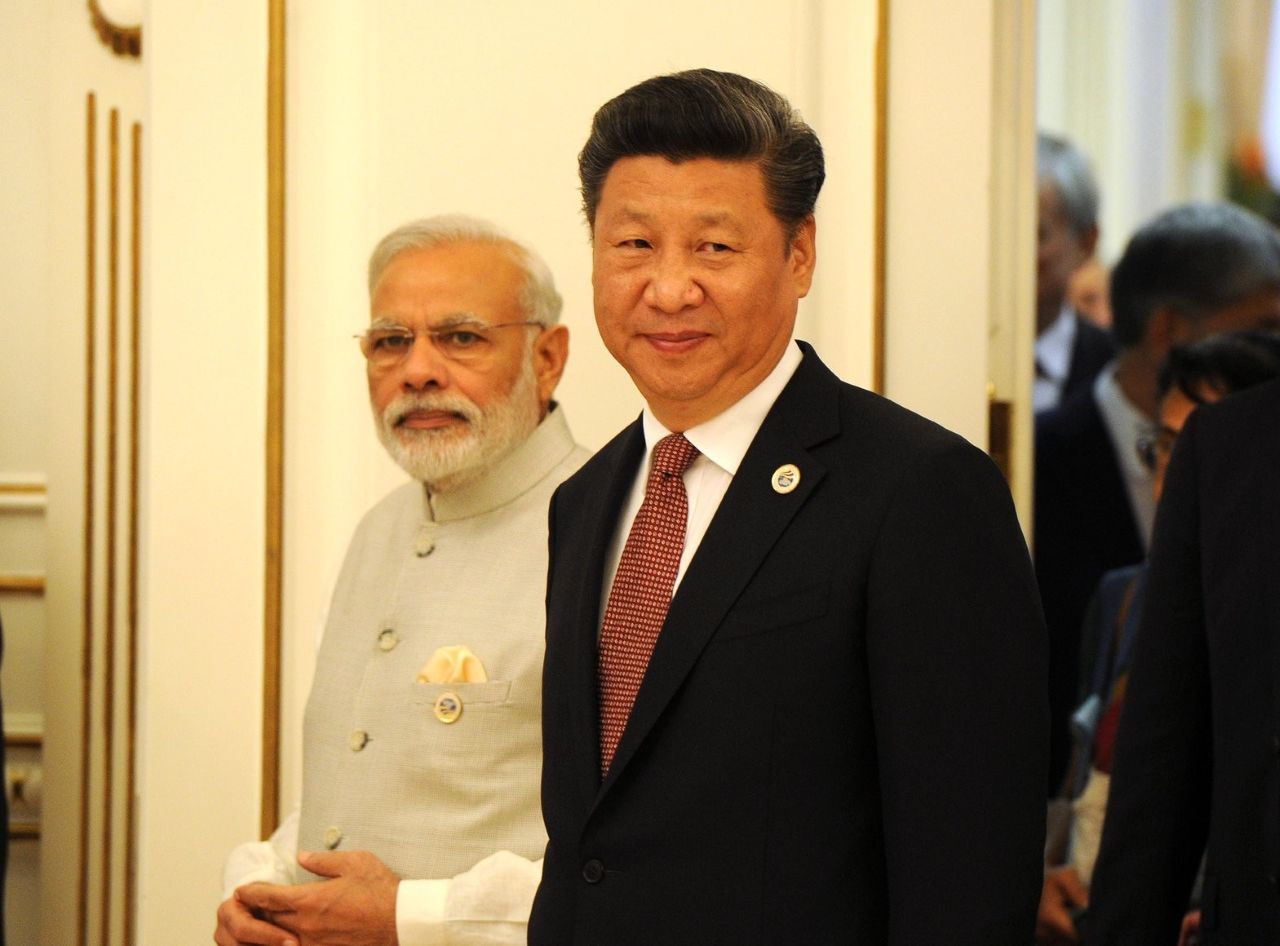
Chinese diplomats to India are saying all the right things for Indian ears, but Beijing’s policy actions are moving in the opposite direction.
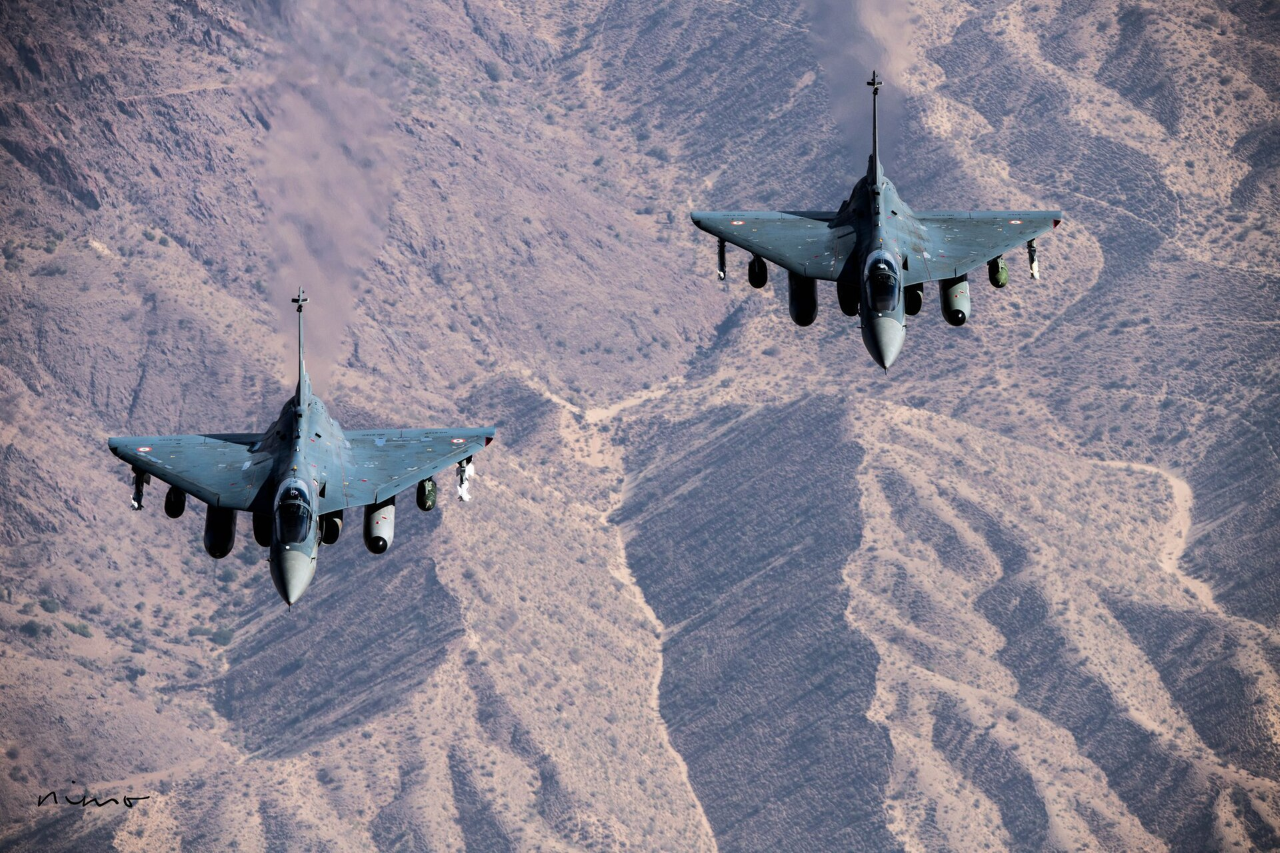
The country's fighter jet roadmap rests on imported propulsion, leaving its military plans hostage to cost shocks, delays and geopolitics.
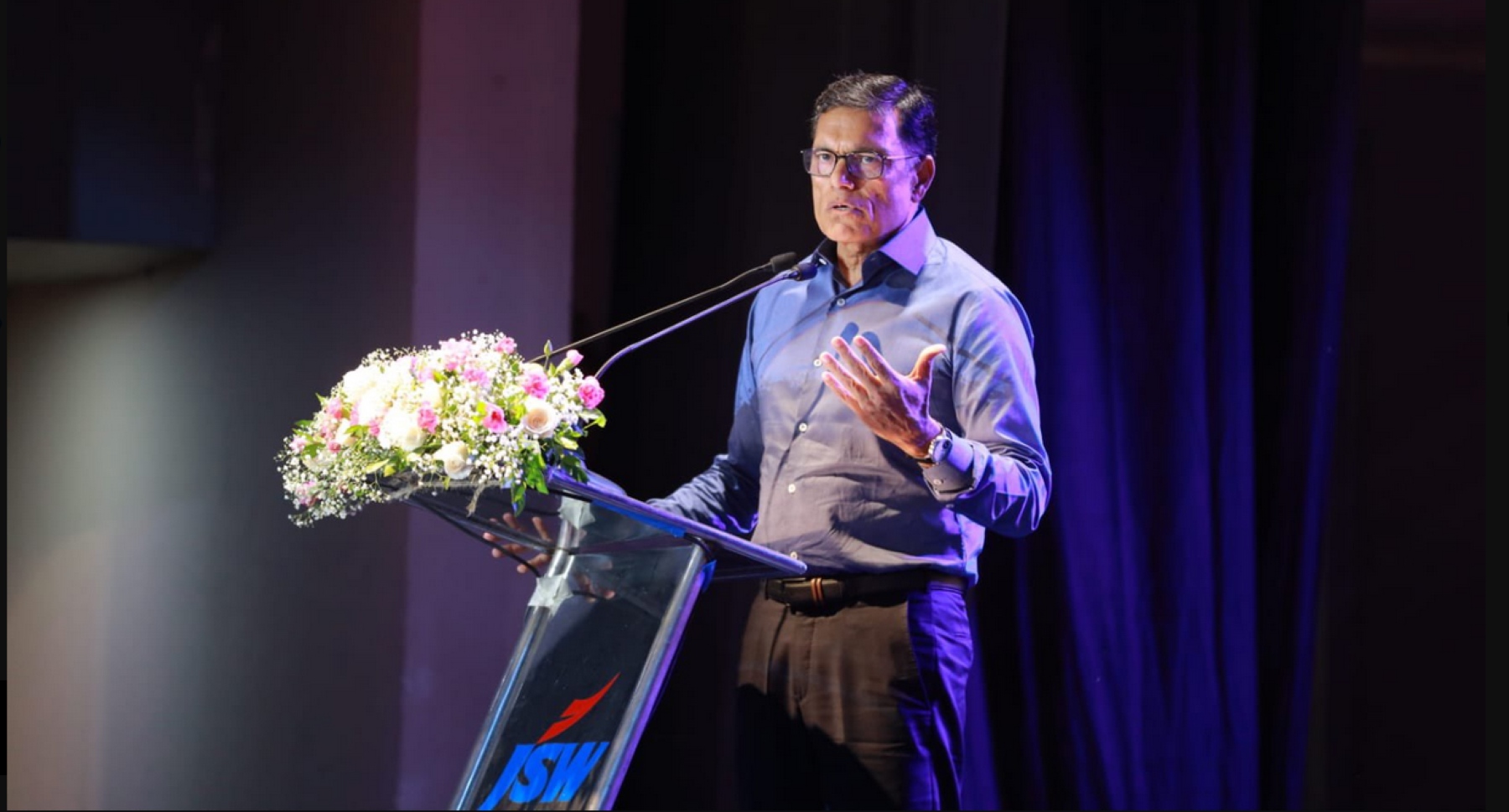
The JSW Steel founder is embarking on an unprecedented expansion, betting on Japan’s JFE and Korea’s POSCO to share the load. But rivalries, debt and market risks could complicate the plan.