/
•
•
Detailed stories on technology startups, business and economic current affairs.
Rather than celebrate Beijing’s lifting of restrictions on rare-earth exports, India's EV and green energy ecosystems must confront their China dependence.




Welcome to NetZero Now, a weekly newsletter from The Morning Context that covers the latest developments in the burgeoning energy, climate and cleantech ecosystem.
China has finally loosened the leash on rare-earth supplies—including permanent magnets that are essential components of electric vehicle motors.
On 19 August, Beijing lifted export curbs on rare-earth magnets, fertilizers and tunnel-boring machines to India, The Economic Times reported. The move is in line with China easing supplies after its trade truce with the US and Europe. For Indian companies, especially EV manufacturers and infrastructure players, that decision brings immediate relief. Motors can hum again, metro …

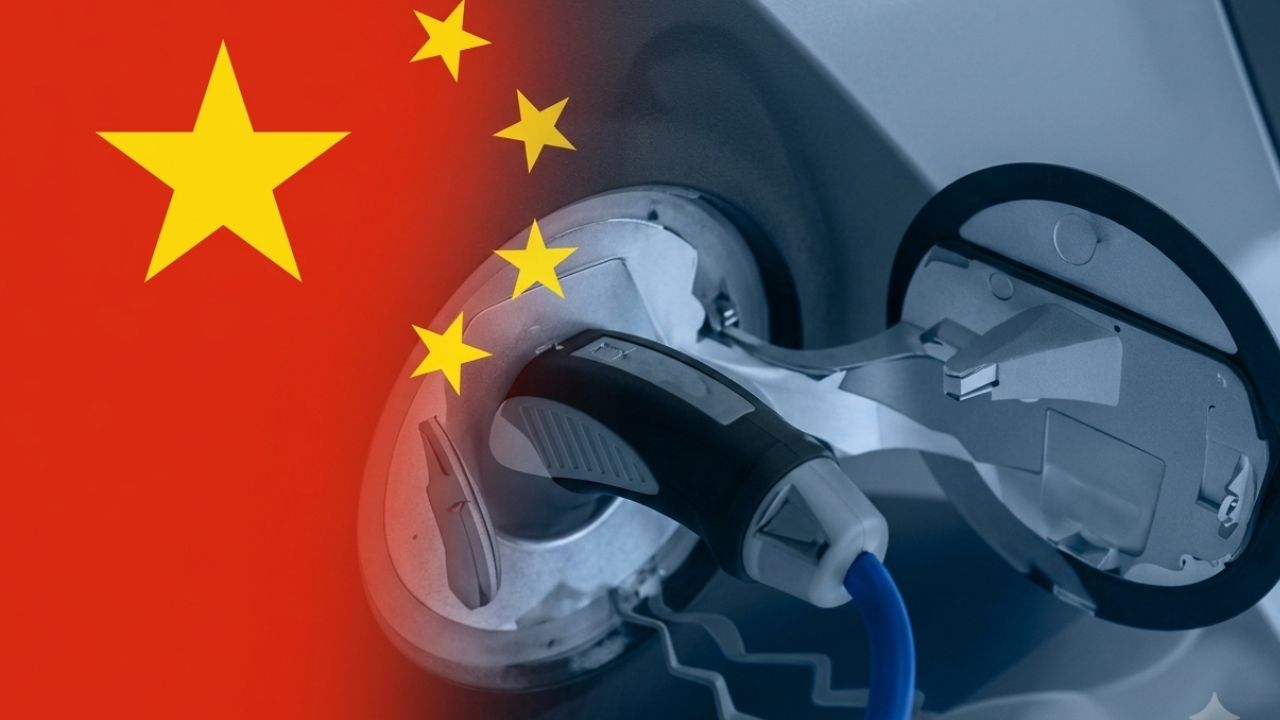
A proposed Rs 12,000 crore incentive shifts the focus to components after the first scheme fell short. But raw material dependence, gaps in technology and China’s dominance remain.
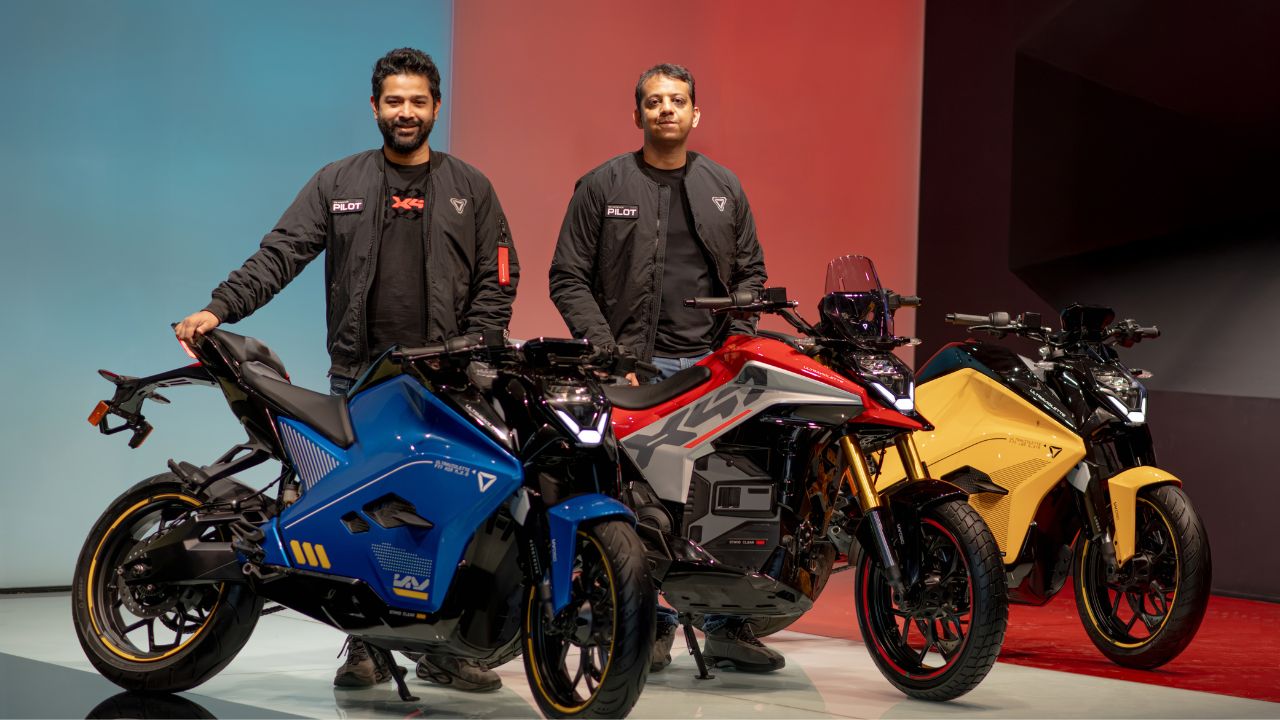
The startup isn’t sure where its future lies—in electric motorcycles or the more recently announced electric scooter? Unsurprisingly, none of the products have amounted to anything so far.
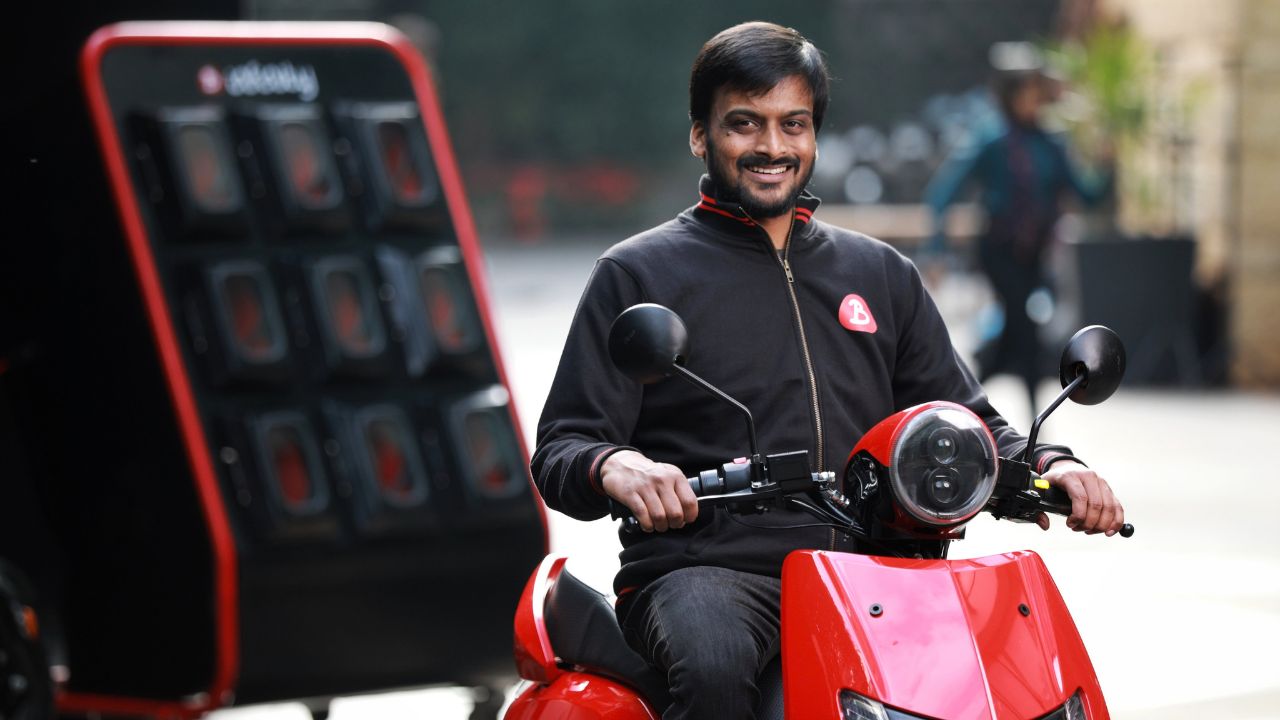
The EV maker is turning to gig-worker rentals to absorb its scooter output. But questions on cost, competition and execution make its latest pivot uncertain.