/
•
•
Detailed stories on technology startups, business and economic current affairs.



Editor's note: This is the seventh edition of Thirty-six, The Morning Context’s weekly newsletter on countless ecosystems in flux across India. The Delhi government inaugurated “India’s first” anti-smog tower on Monday. It claims the tower is the first such structure in the country but it really isn’t. But that’s the least of its problems. The tower, built at Connaught Place in the heart of Delhi, costs around Rs 20 crore. It supposedly cleans air within a radius of 1 sq. km. It works on a simple principle: a giant chimney-like structure sucks air from the top, passes it through the 5,000 filters in its chambers, and releases it through the 40 exhaust fans at the bottom. Sandeep Navlakhe, vice president at Tata Projects Limited, which executed the project, said the tower can clean 1,000 cubic metres of air in a second. That means it might take up to three hours to clean the air in the area of 1 sq km. Maintenance is easy, he added. You just spray water jets at the filters once in three months. The tower consumes around …

Editor's note: This is the seventh edition of Thirty-six, The Morning Context’s weekly newsletter on countless ecosystems in flux across India. The Delhi government inaugurated “India’s first” anti-smog tower on Monday. It claims the tower is the first such structure in the country but it really isn’t. But that’s the least of its problems. The tower, built at Connaught Place in the heart of Delhi, costs around Rs 20 crore. It supposedly cleans air within a radius of 1 sq. km. It works on a simple principle: a giant chimney-like structure sucks air from the top, passes it through the 5,000 filters in its chambers, and releases it through the 40 exhaust fans at the bottom. Sandeep Navlakhe, vice president at Tata Projects Limited, which executed the project, said the tower can clean 1,000 cubic metres of air in a second. That means it might take up to three hours to clean the air in the area of 1 sq km. Maintenance is easy, he added. You just spray water jets at the filters once in three months. The tower consumes around …
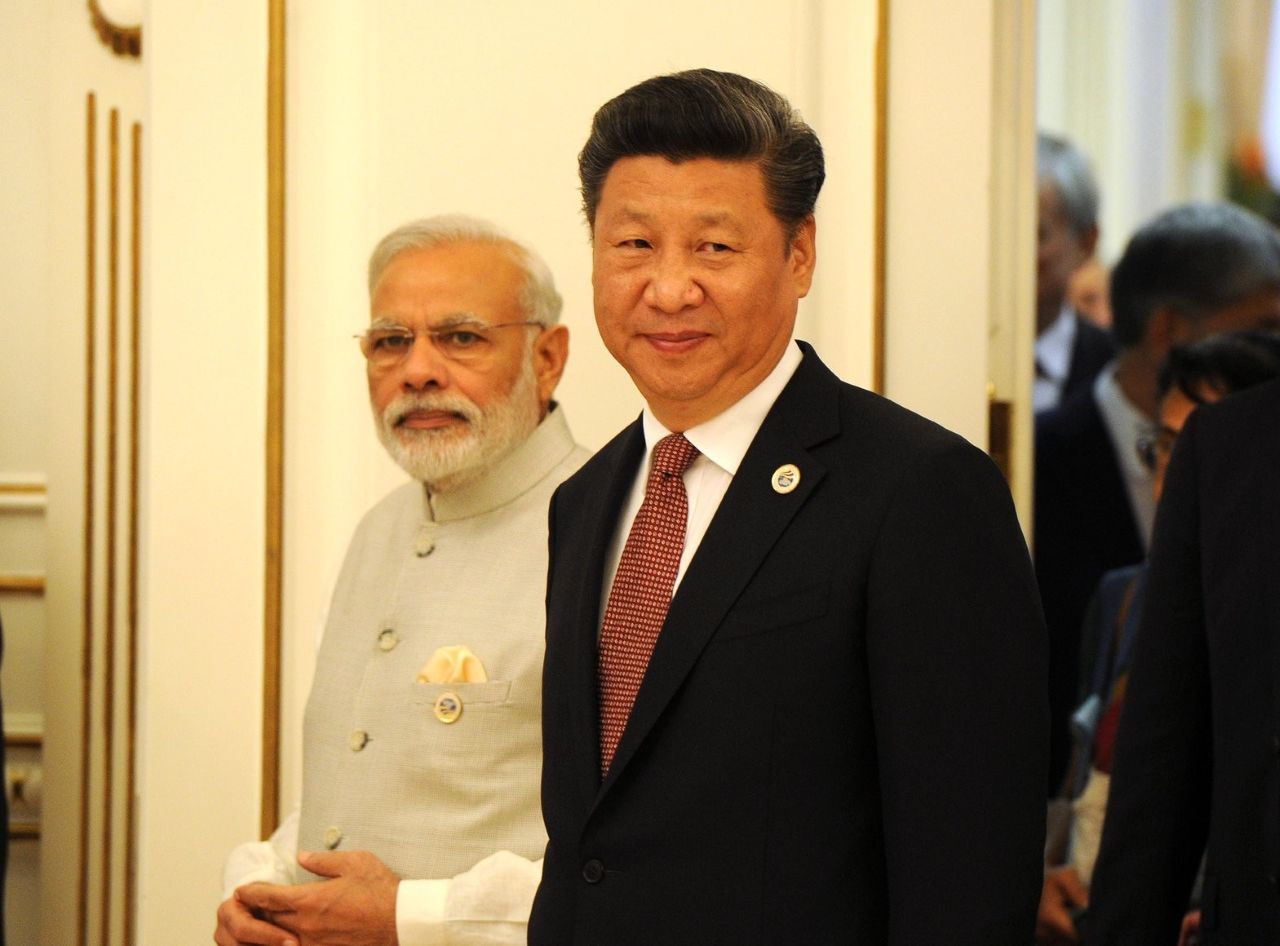
Chinese diplomats to India are saying all the right things for Indian ears, but Beijing’s policy actions are moving in the opposite direction.

The framework reads less like an agreement between partners and more like a probation order written by the stronger side.
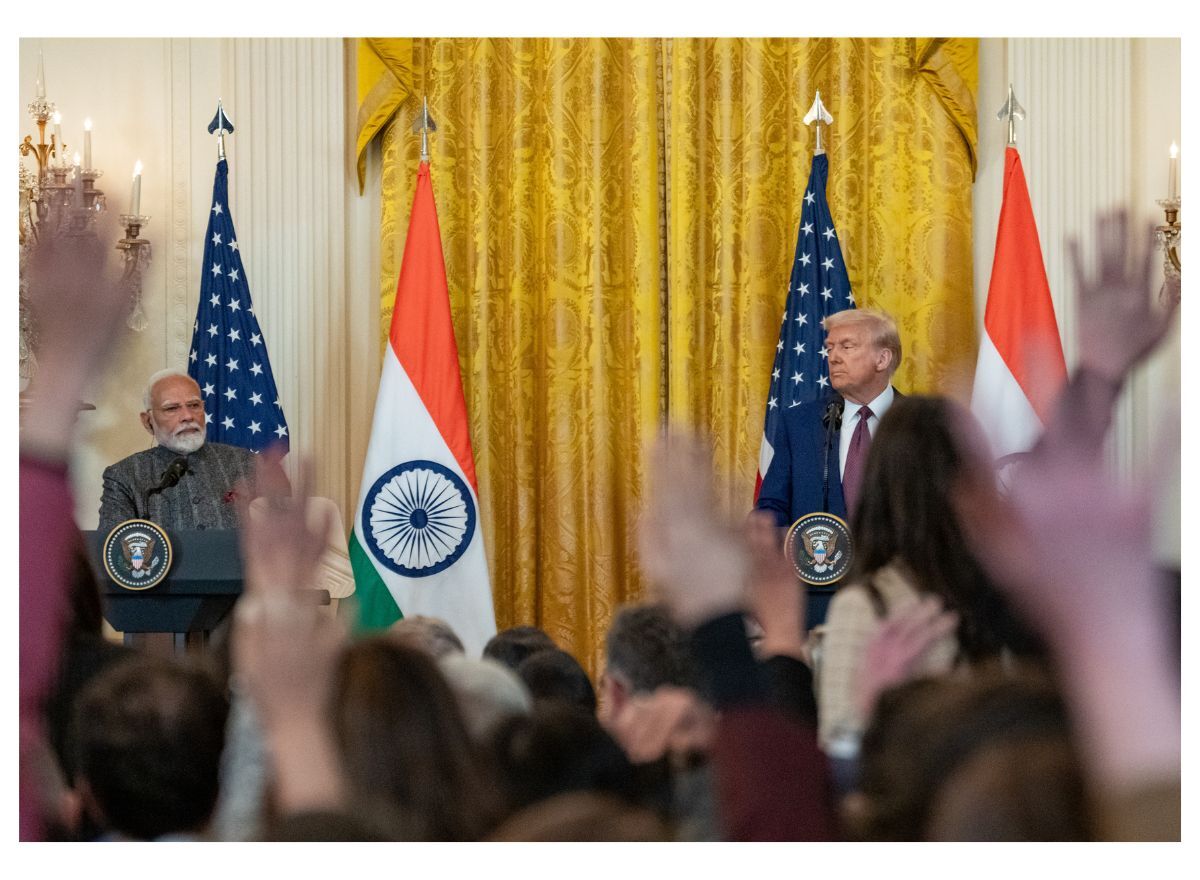
It’s never a good sign when your foreign minister needs a lobbyist to meet US officials. The recent events signal a breakdown in the Modi government’s ability to operate in today’s Washington through its own machinery.
Chinese diplomats to India are saying all the right things for Indian ears, but Beijing’s policy actions are moving in the opposite direction.
The framework reads less like an agreement between partners and more like a probation order written by the stronger side.
It’s never a good sign when your foreign minister needs a lobbyist to meet US officials. The recent events signal a breakdown in the Modi government’s ability to operate in today’s Washington through its own machinery.