/
•
•
Detailed stories on technology startups, business and economic current affairs.
A report released by the prime minister says the animals face multiple threats even as his government claims that all is well.




On Sunday, we were subjected to (or treated to, depending on your inclination) images of our prime minister in his boldest adventure gear yet. After his somewhat modest adventure-plus-statesman wardrobe in the appearances with Bear Grylls on the Discovery Channel and at the release of the African cheetahs, our leader went all out this time, sporting a camouflage-print T-shirt over a pair of khaki trousers along with a matching multi-pocket vest and hat (oddly reminiscent of the outdoor photos of another ultra masculine leader up north).
The occasion was the celebration of 50 years of Project Tiger, the government of …

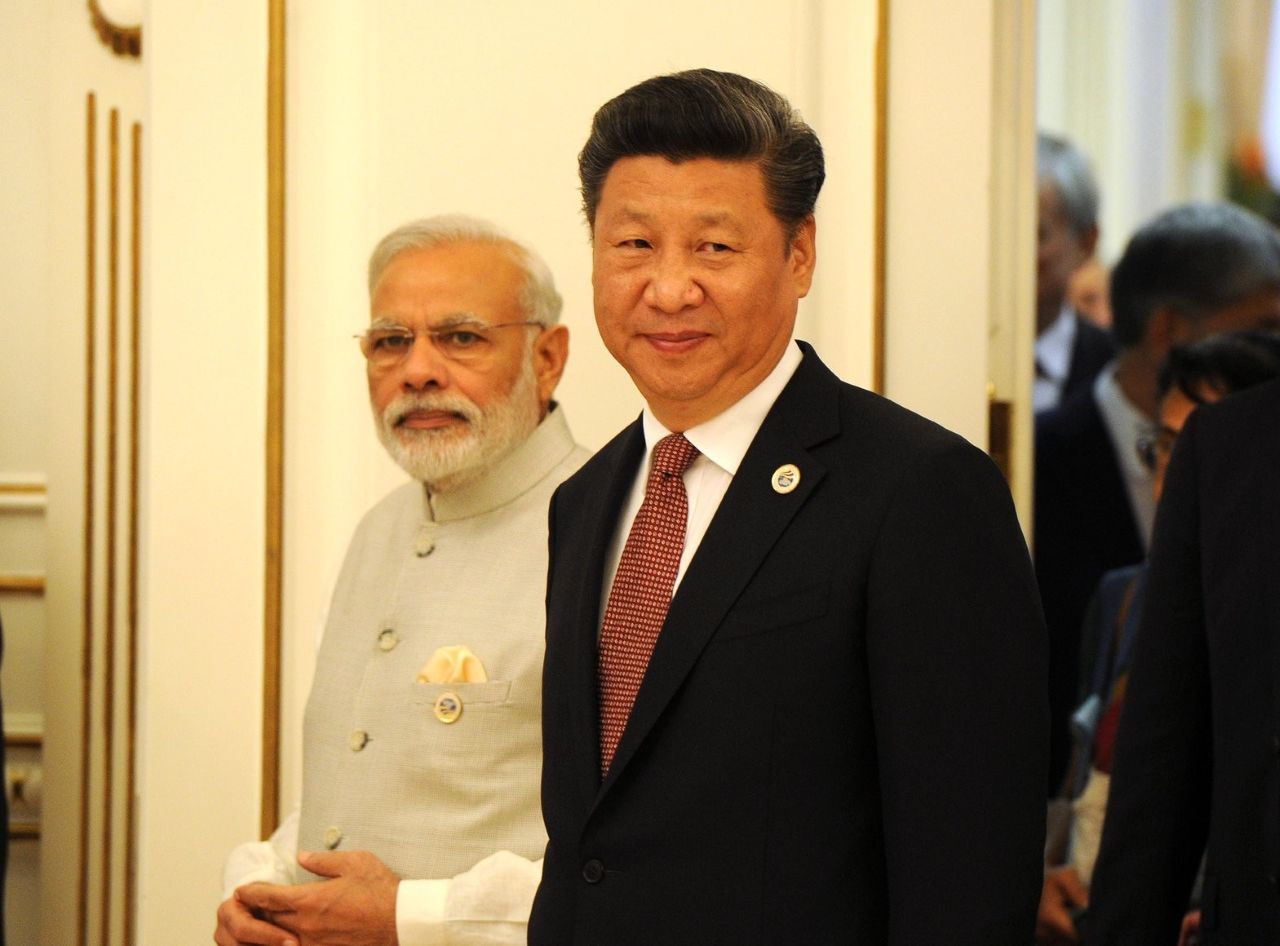
Chinese diplomats to India are saying all the right things for Indian ears, but Beijing’s policy actions are moving in the opposite direction.
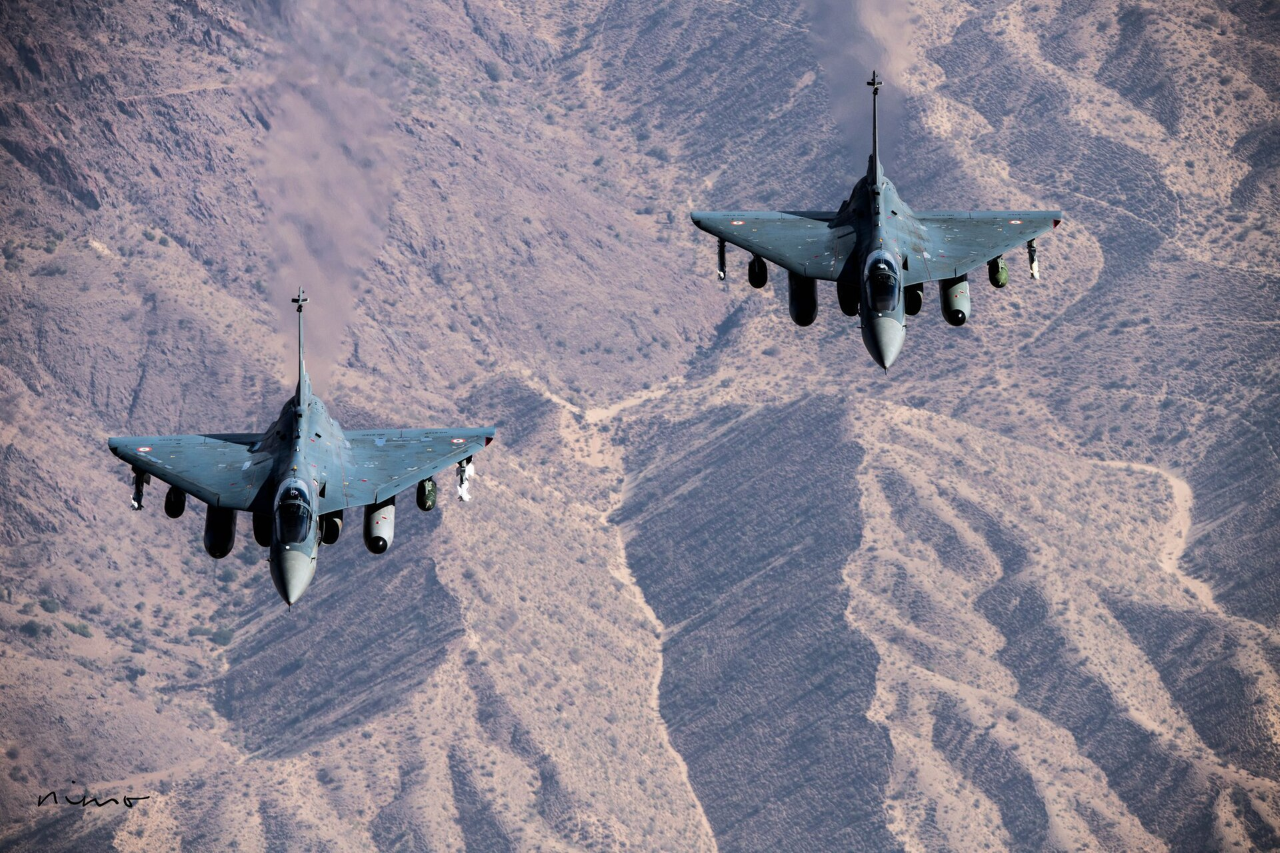
The country's fighter jet roadmap rests on imported propulsion, leaving its military plans hostage to cost shocks, delays and geopolitics.

Fiscal discipline holds on paper, but the number is propped up by higher borrowing and revenue sources that are far from stable.