/
•
•
Detailed stories on technology startups, business and economic current affairs.
Attempts to cut costs and chart a course to profitability put companies on a collision course with gig workers.




Suppose you go in to work, try to mark your attendance and realize that you’re not able to. You enquire with the person concerned and they tell you that you are no longer an employee. That’s what happened to Vikas Kumar, a former delivery partner with grocery delivery app Blinkit, which launched its quick commerce business last December.
Kumar’s delivery partner account on the Blinkit app was deactivated on 20 September. “It’s been four days. They just say we don’t want you to work here,” says the 25-year-old during our conversation on a rainy day last month, outside Blinkit’s Rani …


India’s grocery and food delivery platforms are increasingly displaying misleading images of food using artificial intelligence, defeating the very purpose of buying online.
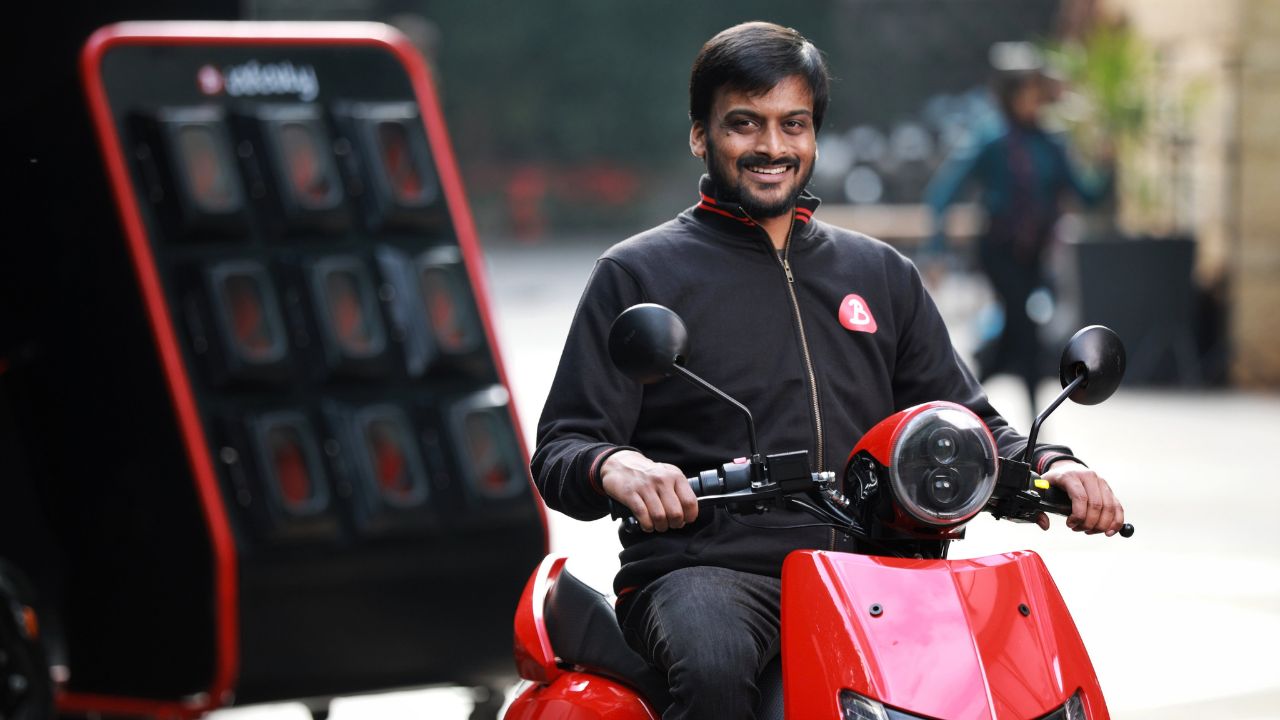
The EV maker is turning to gig-worker rentals to absorb its scooter output. But questions on cost, competition and execution make its latest pivot uncertain.

The newly announced levy on UPI payments undermines the very foundation of using digital payments for stock market investing. Brokers are in a tizzy.