/
•
•
Detailed stories on technology startups, business and economic current affairs.
Other than setting up a fund for loss and damage, COP27 fell short of expectations.


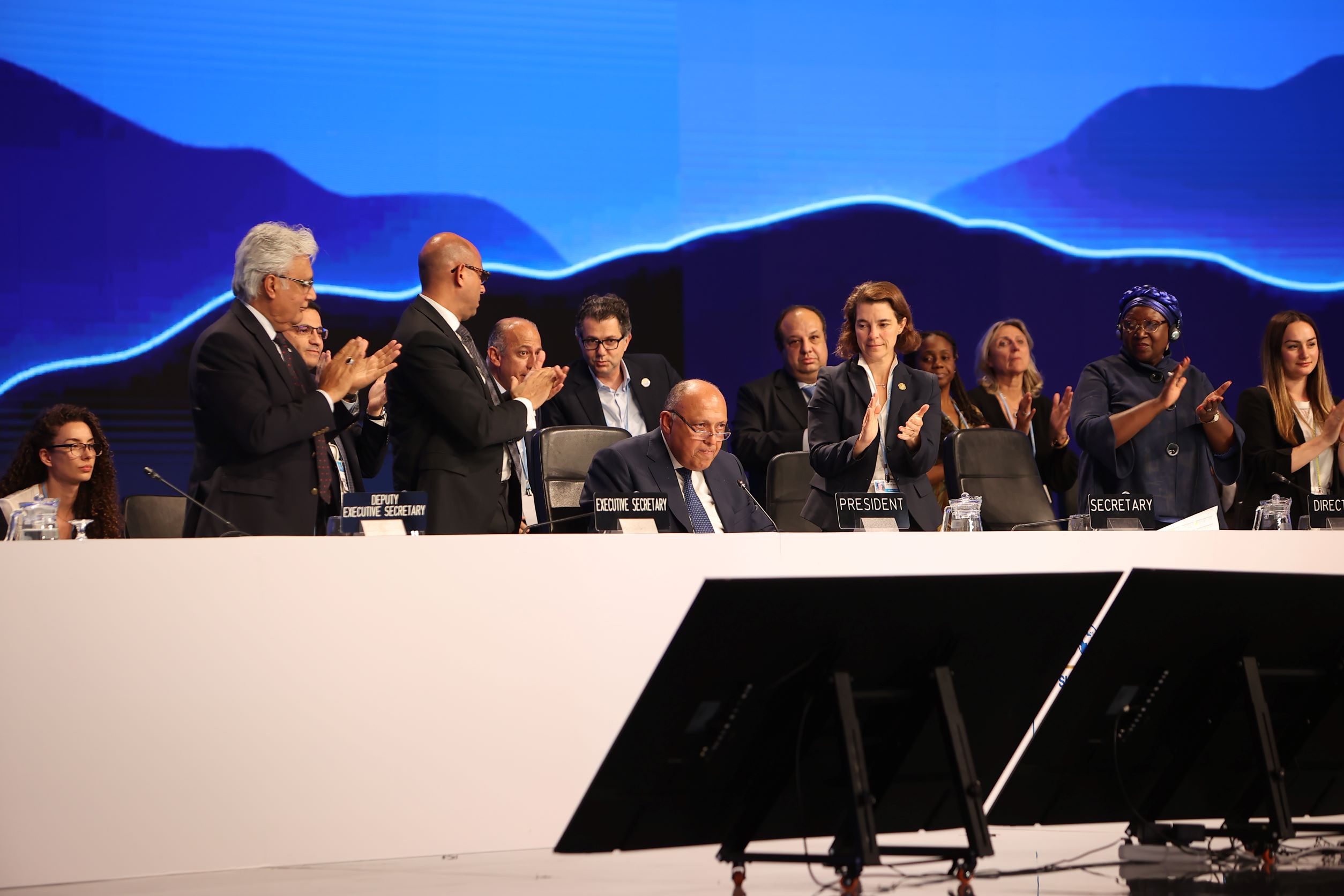

For a few minutes on Saturday evening, it seemed as if the COP27 climate conference was concluding. Phones buzzed with notifications of newly uploaded draft treaty documents. These indicated a consensus on major issues like loss and damage, which had dominated the headlines since the summit’s opening, and had delayed the close by an extra day. Observers and journalists appeared relieved. Some clicked group photos and cheered. The UN climate secretariat even scheduled a YouTube live stream of the closing meeting.
“We’re tired, we just want to end this and go home,” a European negotiator had told me earlier, standing …


The UAE is looking at its first public listing of the year while Egypt just delivered a big one; OpenAI’s bugging accused has ties to Saudi Arabia; and other updates from the week.

Falling sales, a price correction and more cautious buyers mark a sharp shift in Dubai’s property market as regional conflict drags on.

The arrest and charges against an employee of the artificial intelligence company, fewer early-stage VC deals, and other updates.