/
•
•
Detailed stories on technology startups, business and economic current affairs.



Editor's note: It took less than two months for Stovekraft to go from planning a company offsite to becoming a house of horrors. Bengaluru-headquartered Stovekraft is one of India’s largest kitchen appliance companies. It’s the parent of the Pigeon and Gilma brands, and the official partner-licensor of Black + Decker products in India. It’s almost always prefixed by “Sequoia-backed” in media coverage, and was in the news last year primarily for two reasons: floating an IPO, and hiring Rajiv Mehta as CEO (Mehta is the hotshot executive credited with turning around Puma’s fortunes in India). Stovekraft is no high-flying Pegasus, but it’s no pushover either. And so its employees--aware of an unfolding pandemic but hopeful that the virus wouldn’t turn wrathful in India--looked forward to the company offsite in March. Fast forward to early May, however, and the offsite became a distant memory. Nearly 700 people were laid off. But that’s not the story. This is: that in a townhall meeting on 8 May, a salary reshuffle was announced for employees with compensation packages of Rs 6 lakh or more. The pay …
Editor's note: It took less than two months for Stovekraft to go from planning a company offsite to becoming a house of horrors. Bengaluru-headquartered Stovekraft is one of India’s largest kitchen appliance companies. It’s the parent of the Pigeon and Gilma brands, and the official partner-licensor of Black + Decker products in India. It’s almost always prefixed by “Sequoia-backed” in media coverage, and was in the news last year primarily for two reasons: floating an IPO, and hiring Rajiv Mehta as CEO (Mehta is the hotshot executive credited with turning around Puma’s fortunes in India). Stovekraft is no high-flying Pegasus, but it’s no pushover either. And so its employees--aware of an unfolding pandemic but hopeful that the virus wouldn’t turn wrathful in India--looked forward to the company offsite in March. Fast forward to early May, however, and the offsite became a distant memory. Nearly 700 people were laid off. But that’s not the story. This is: that in a townhall meeting on 8 May, a salary reshuffle was announced for employees with compensation packages of Rs 6 lakh or more. The pay …

The Indian mother and baby products retailer has been slow to grow in the two largest markets of the Gulf. What gives?
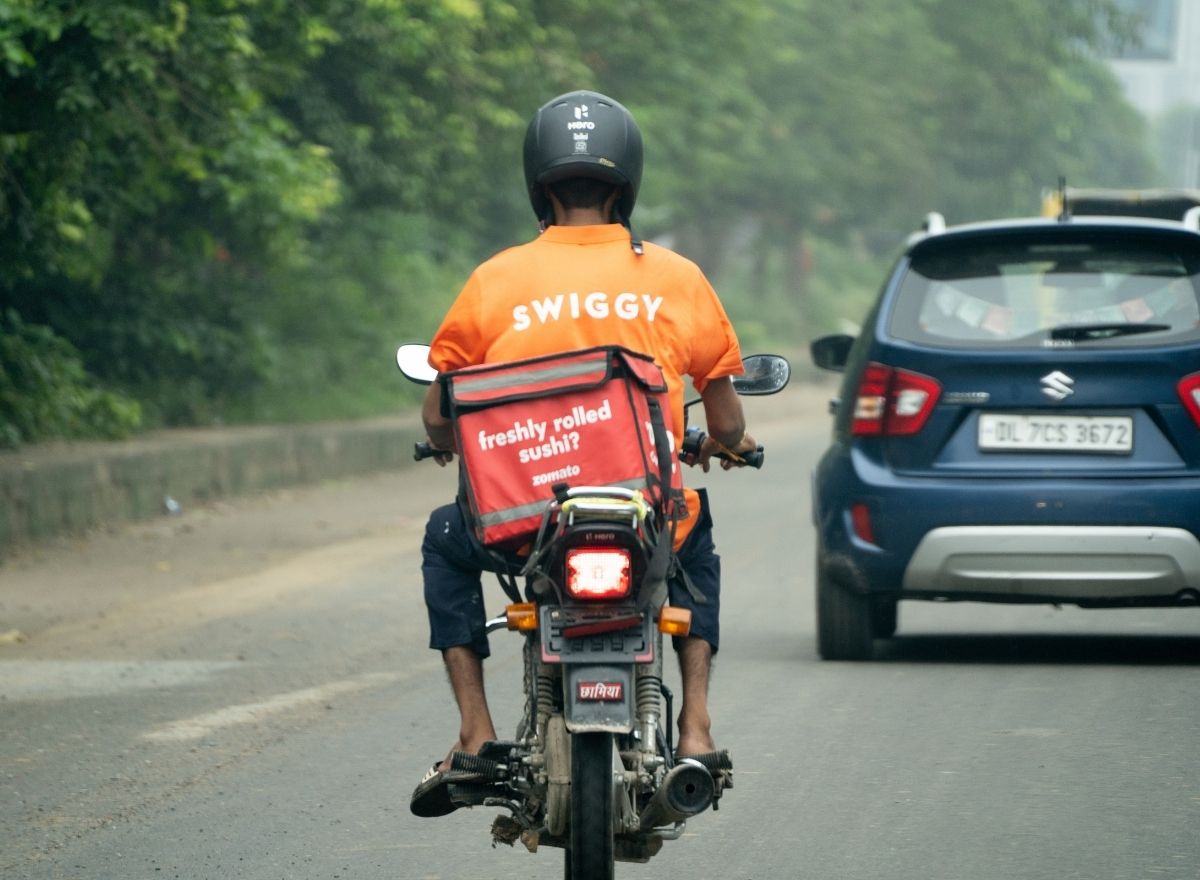
Exploitation of unskilled workers is at the heart of quick-delivery service businesses in India. They should be valued for what they are and not what they pretend to be, a trait that has taken a devious form of wanting it both ways.

Countries across the world are coming to the consensus that children aged under 15 must not have access to social media. India, which has over 300 million children under 15 and among the cheapest data tariffs, needs to have this conversation sooner rather than later.
The Indian mother and baby products retailer has been slow to grow in the two largest markets of the Gulf. What gives?
Exploitation of unskilled workers is at the heart of quick-delivery service businesses in India. They should be valued for what they are and not what they pretend to be, a trait that has taken a devious form of wanting it both ways.
Countries across the world are coming to the consensus that children aged under 15 must not have access to social media. India, which has over 300 million children under 15 and among the cheapest data tariffs, needs to have this conversation sooner rather than later.