/
•
•
Detailed stories on technology startups, business and economic current affairs.
Prime Minister Modi recently inaugurated Asia’s largest bio-CNG plant in Indore. Everything about it sounds great, until you begin to ask questions.


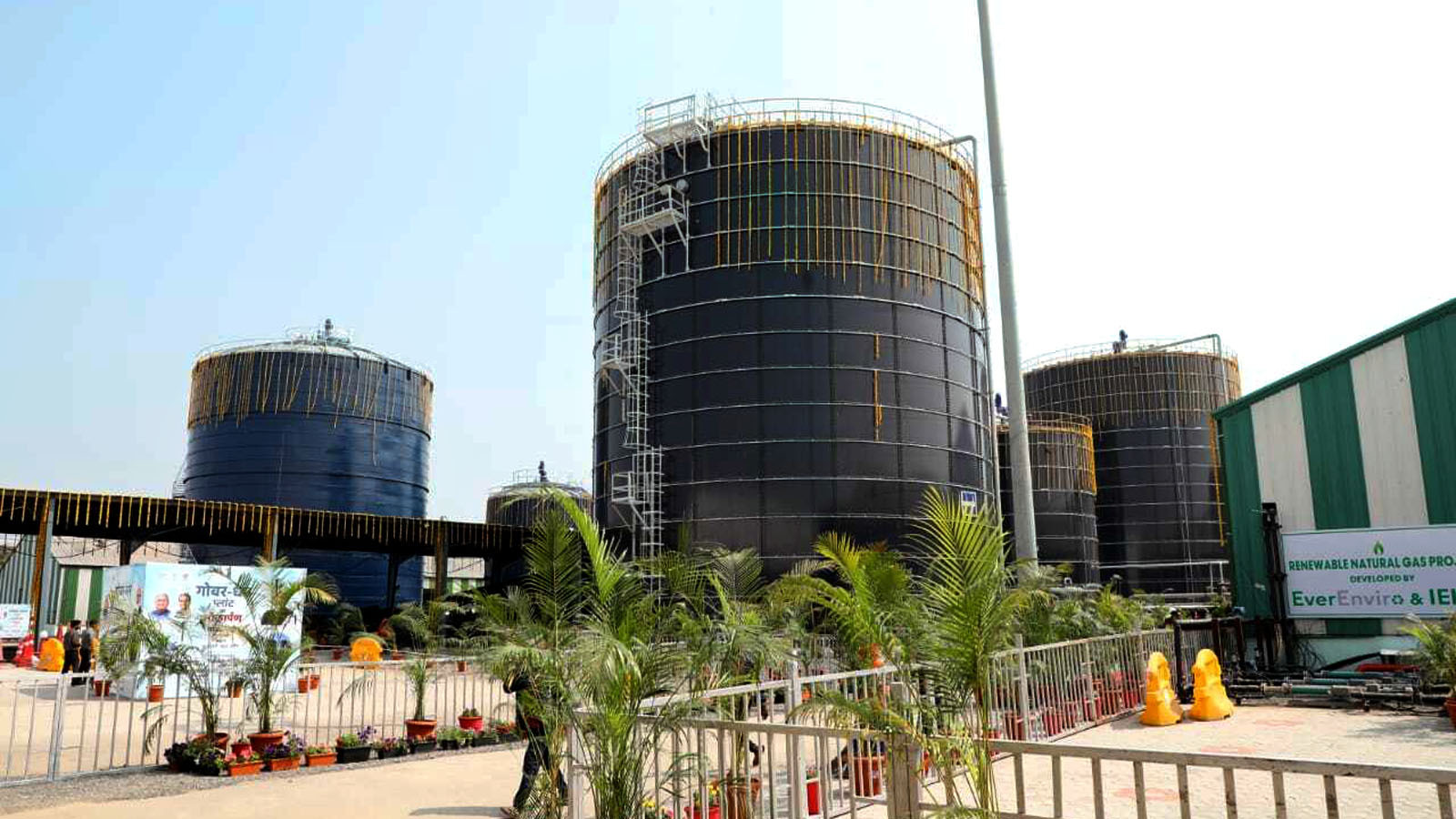
Editor's note: In the coming decades, as people figure out ways to deal with climate change and reduce its intensity, you’re going to hear about new technologies, materials and businesses. Some of them will come from governments, others from corporations and inventors. Some of them, like solar photovoltaic cells, will succeed and become a part of daily life. Many will be duds. But all of them will project themselves as the best solution to the given problem, and will seldom go into limitations and grey areas. Through this newsletter, I hope to take up some of these new ideas and solutions that are doing the rounds, but attempt to understand them and unpack their complexities and challenges. This week, let’s talk about bio-CNG. Last Saturday, Prime Minister Narendra Modi inaugurated a plant at Indore. Commissioned by the Indore Municipal Corporation, it will use organic waste from the city’s households and businesses as raw material, and process it into biogas. This will be purified into a product similar to compressed natural gas (CNG), and will be used to fuel the city’s buses and …
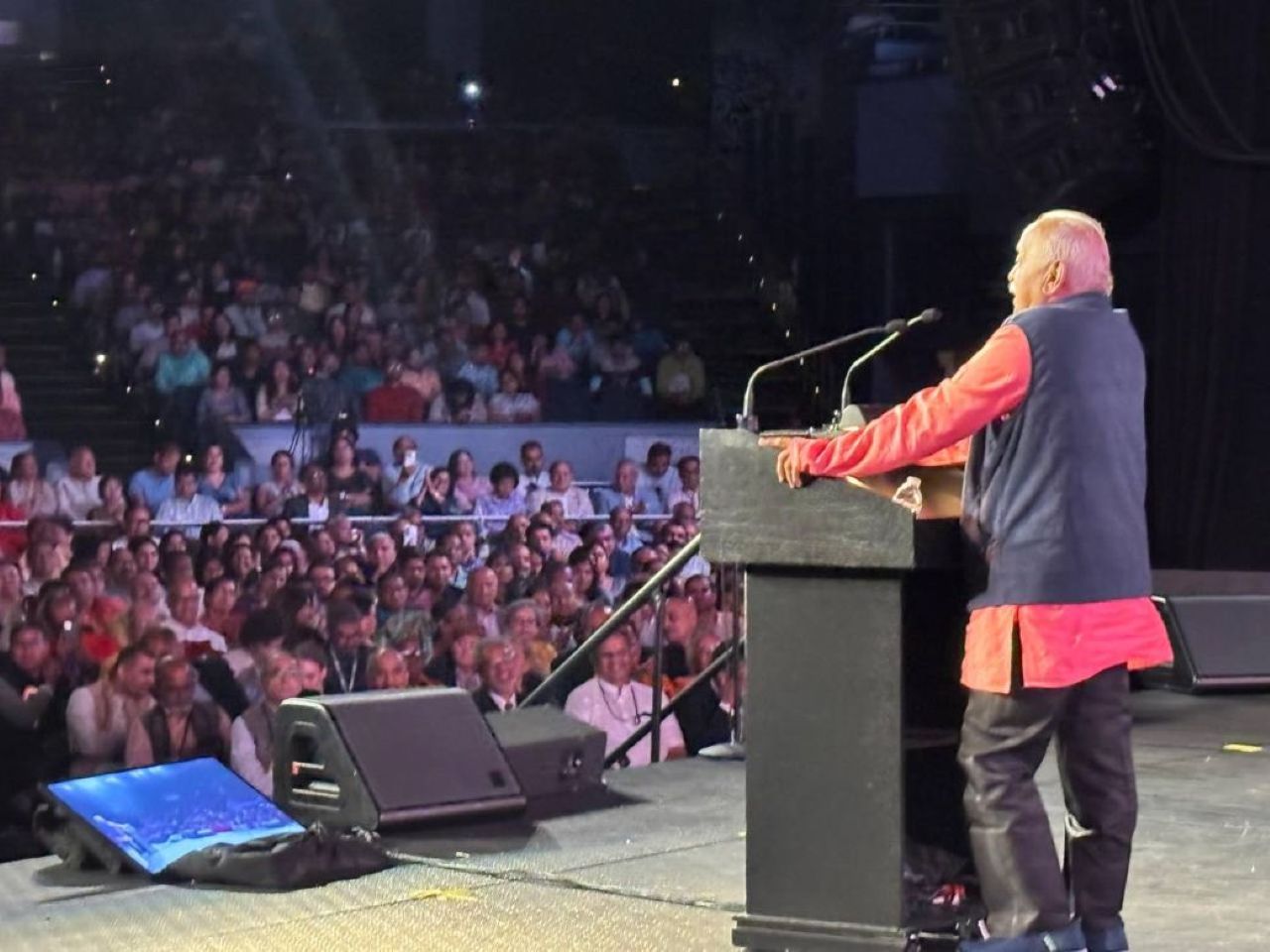
Prime Minister Modi recently inaugurated Asia’s largest bio-CNG plant in Indore. Everything about it sounds great, until you begin to ask questions.
Editor's note: In the coming decades, as people figure out ways to deal with climate change and reduce its intensity, you’re going to hear about new technologies, materials and businesses. Some of them will come from governments, others from corporations and inventors. Some of them, like solar photovoltaic cells, will succeed and become a part of daily life. Many will be duds. But all of them will project themselves as the best solution to the given problem, and will seldom go into limitations and grey areas. Through this newsletter, I hope to take up some of these new ideas and solutions that are doing the rounds, but attempt to understand them and unpack their complexities and challenges. This week, let’s talk about bio-CNG. Last Saturday, Prime Minister Narendra Modi inaugurated a plant at Indore. Commissioned by the Indore Municipal Corporation, it will use organic waste from the city’s households and businesses as raw material, and process it into biogas. This will be purified into a product similar to compressed natural gas (CNG), and will be used to fuel the city’s buses and …
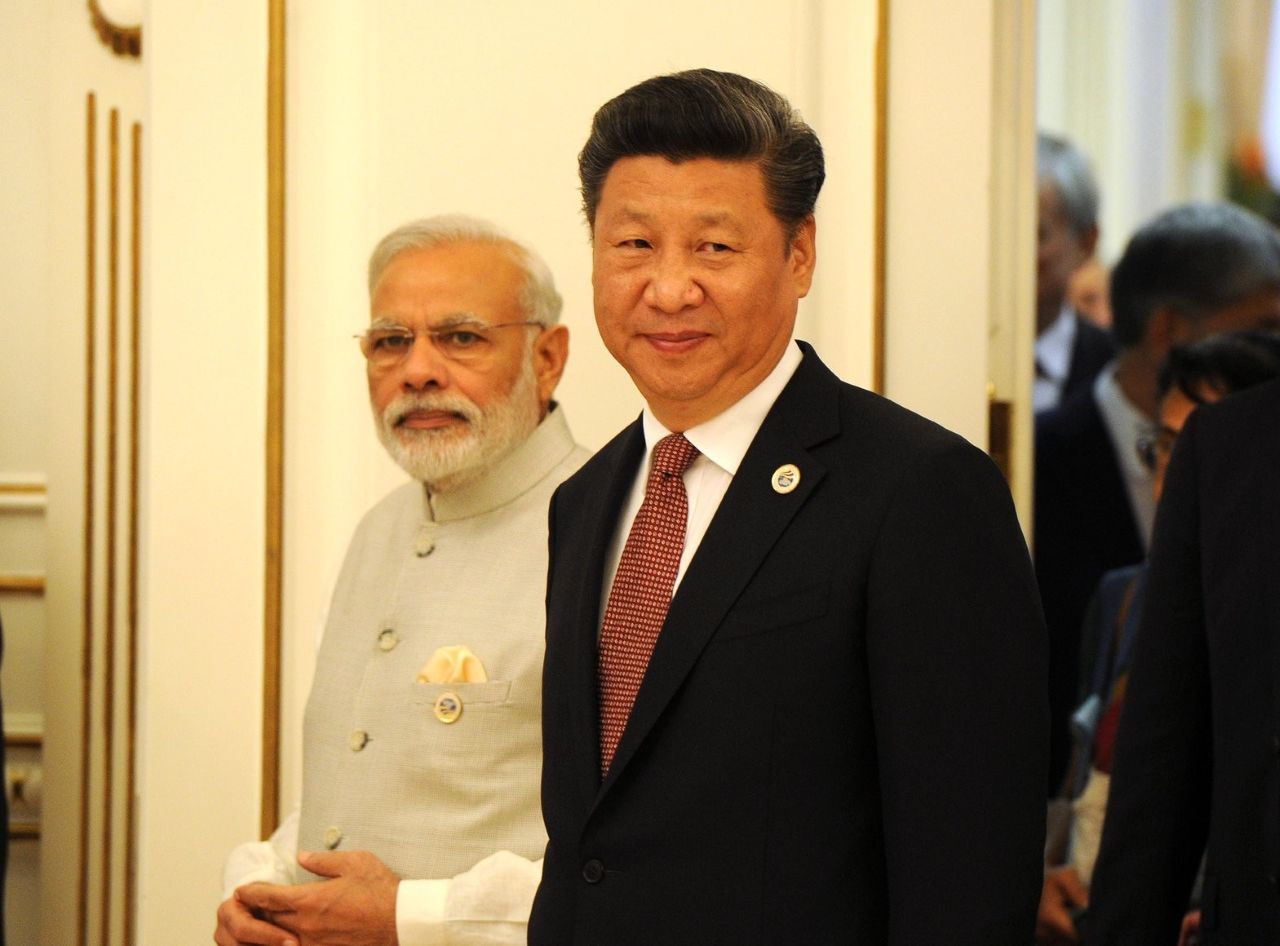
Chinese diplomats to India are saying all the right things for Indian ears, but Beijing’s policy actions are moving in the opposite direction.

The country's fighter jet roadmap rests on imported propulsion, leaving its military plans hostage to cost shocks, delays and geopolitics.
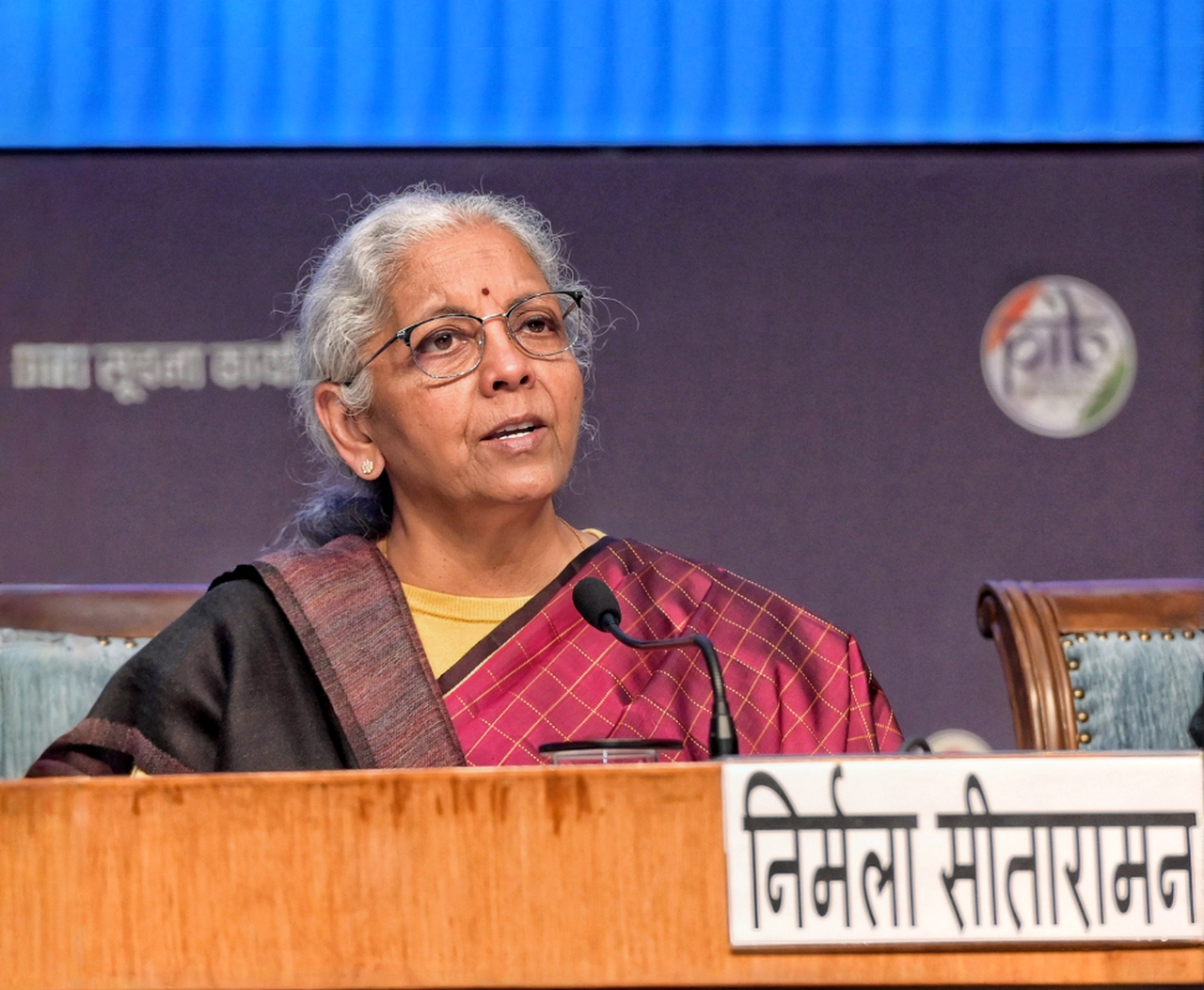
Fiscal discipline holds on paper, but the number is propped up by higher borrowing and revenue sources that are far from stable.
Chinese diplomats to India are saying all the right things for Indian ears, but Beijing’s policy actions are moving in the opposite direction.
The country's fighter jet roadmap rests on imported propulsion, leaving its military plans hostage to cost shocks, delays and geopolitics.
Fiscal discipline holds on paper, but the number is propped up by higher borrowing and revenue sources that are far from stable.