/
•
•
Detailed stories on technology startups, business and economic current affairs.
In one stroke, the prime minister succeeded not only in breeding resentment for the flag, but also in converting the revered standard of our nation into a symbol of oppression.



Editor's note: When the United States sneezes, it used to be said, the world catches a cold. In the past eight years, Indians have been exposed to a homegrown variant of that international truism: When Narendra Modi has a brainwave, countless native lives and livelihoods are washed away. In 2021, just over five years after abolishing the Five-Year Plans, Modi announced a 25-year programme to make India great. If demonetization was, in M. Venkaiah Naidu’s disturbingly unselfconscious phrase, India’s own “Cultural Revolution”, Amrit Kaal must qualify as our own Great Leap Forward. In the next quarter century, Modi wants India to scale “new heights of prosperity”—to undo the damage inflicted during centuries of “slavery”. There is nothing objectionable about this aspiration to become affluent, even if its basis is a sense of shame emanating from a self-wounding fixation with the past. What ought to worry us profoundly, however, is the man behind the idea. For Modi’s conception of success is not concerned so much with the substance of success as the feeling of being successful. Consider some concrete examples: government ministers routinely …
In one stroke, the prime minister succeeded not only in breeding resentment for the flag, but also in converting the revered standard of our nation into a symbol of oppression.
Editor's note: When the United States sneezes, it used to be said, the world catches a cold. In the past eight years, Indians have been exposed to a homegrown variant of that international truism: When Narendra Modi has a brainwave, countless native lives and livelihoods are washed away. In 2021, just over five years after abolishing the Five-Year Plans, Modi announced a 25-year programme to make India great. If demonetization was, in M. Venkaiah Naidu’s disturbingly unselfconscious phrase, India’s own “Cultural Revolution”, Amrit Kaal must qualify as our own Great Leap Forward. In the next quarter century, Modi wants India to scale “new heights of prosperity”—to undo the damage inflicted during centuries of “slavery”. There is nothing objectionable about this aspiration to become affluent, even if its basis is a sense of shame emanating from a self-wounding fixation with the past. What ought to worry us profoundly, however, is the man behind the idea. For Modi’s conception of success is not concerned so much with the substance of success as the feeling of being successful. Consider some concrete examples: government ministers routinely …

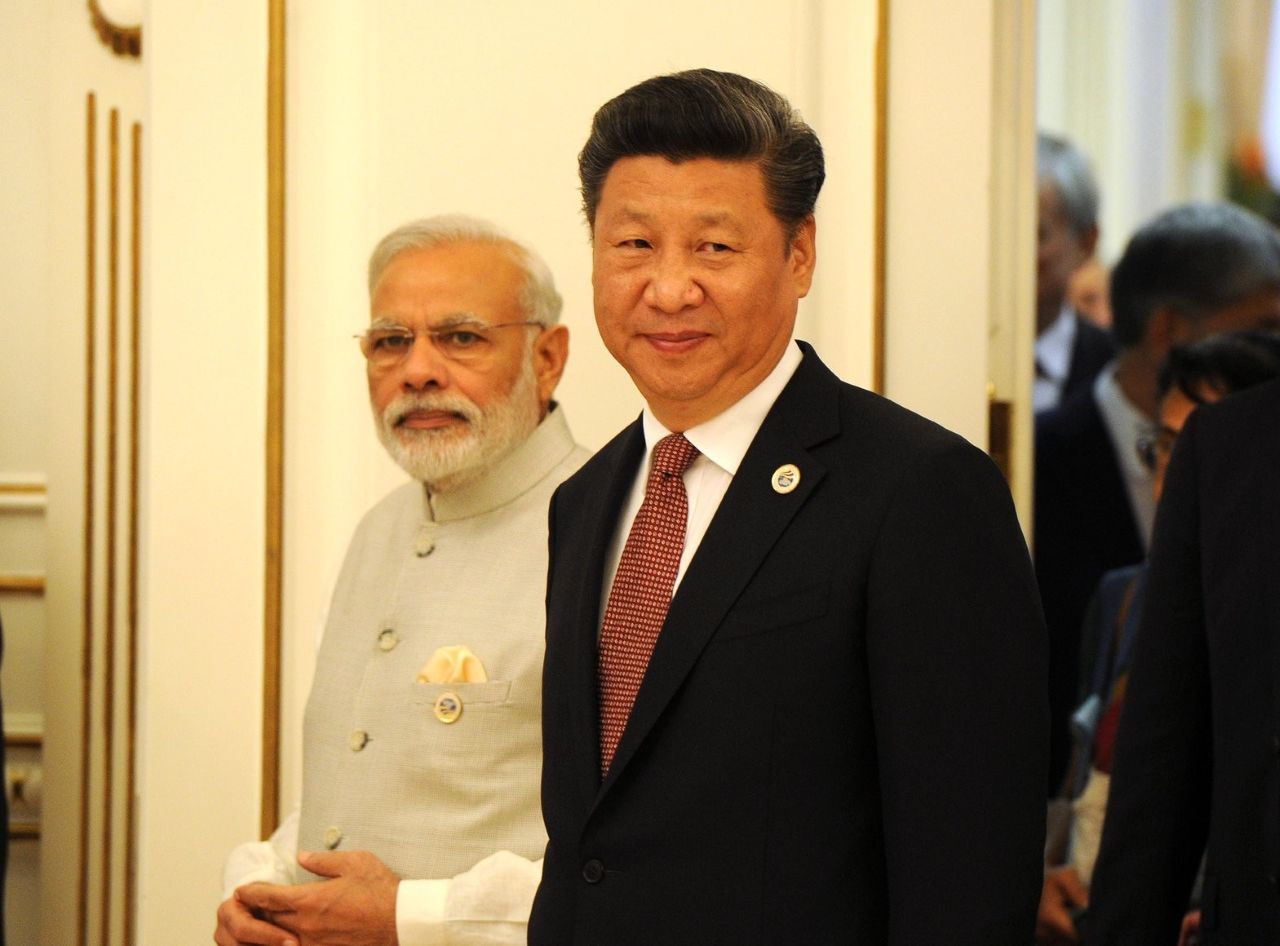
Chinese diplomats to India are saying all the right things for Indian ears, but Beijing’s policy actions are moving in the opposite direction.

The country's fighter jet roadmap rests on imported propulsion, leaving its military plans hostage to cost shocks, delays and geopolitics.
Fiscal discipline holds on paper, but the number is propped up by higher borrowing and revenue sources that are far from stable.
Chinese diplomats to India are saying all the right things for Indian ears, but Beijing’s policy actions are moving in the opposite direction.
The country's fighter jet roadmap rests on imported propulsion, leaving its military plans hostage to cost shocks, delays and geopolitics.
Fiscal discipline holds on paper, but the number is propped up by higher borrowing and revenue sources that are far from stable.