/
•
•
Detailed stories on technology startups, business and economic current affairs.
Also, India’s infrastructural growth cannot and should not rely so much on one company and its political goodwill.



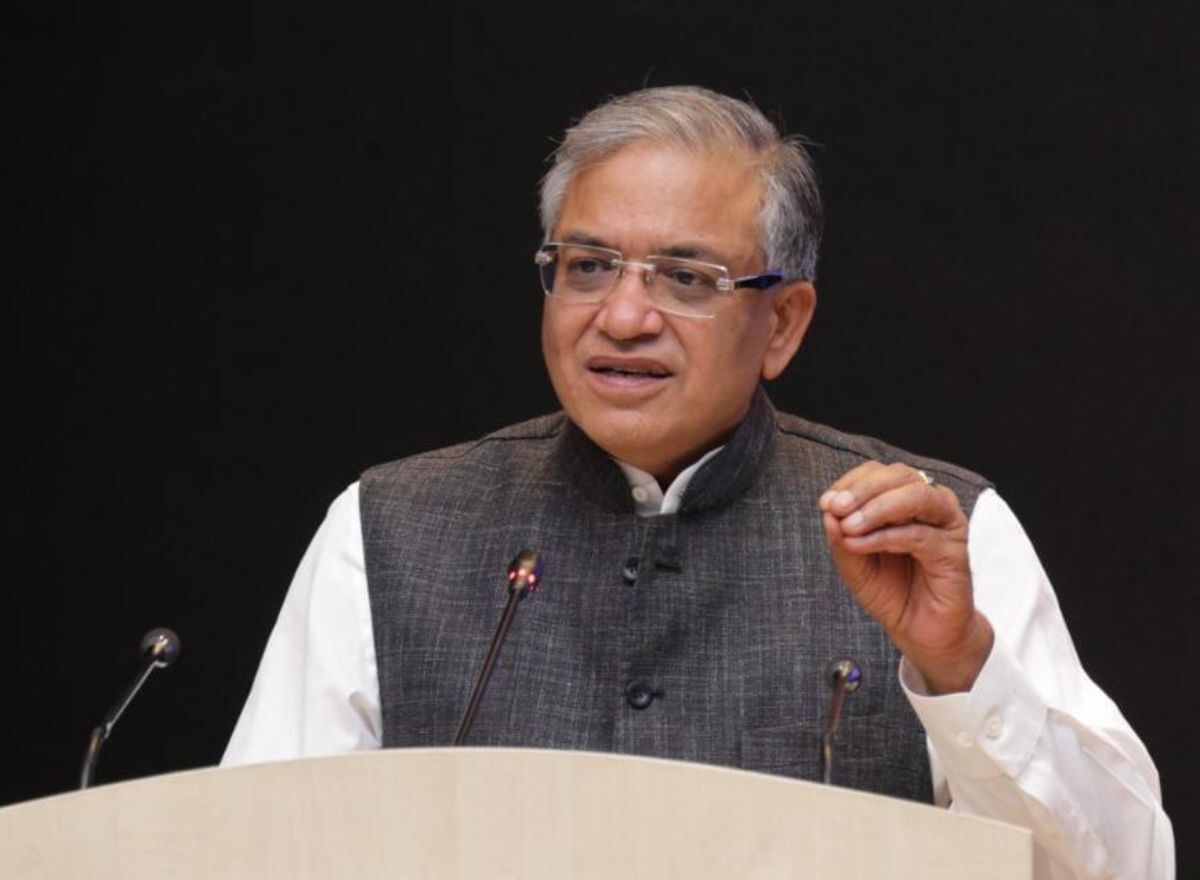
In the 1990s, India was beginning to open up to the rest of the world and integrate with international financial markets. Foreign investors were warming up to the India growth story and were looking for opportunities. India desperately needed more electricity to drive its industry and broader economic growth. Both the central and state governments were willing to offer generous terms to independent power producers to set up new fast-track power plants.
One marquee project that was supposed to send a strong signal and open the floodgates to foreign investment in India was the Enron-led gas power generation project in …

ADNOC’s strong numbers underline a strategy built on higher output, shipping gains and new routes that sidestep the risky Strait of Hormuz.

From cancelled races to scrambled calendars, the Iran conflict is testing an over two-decade partnership that powered the sport’s growth.
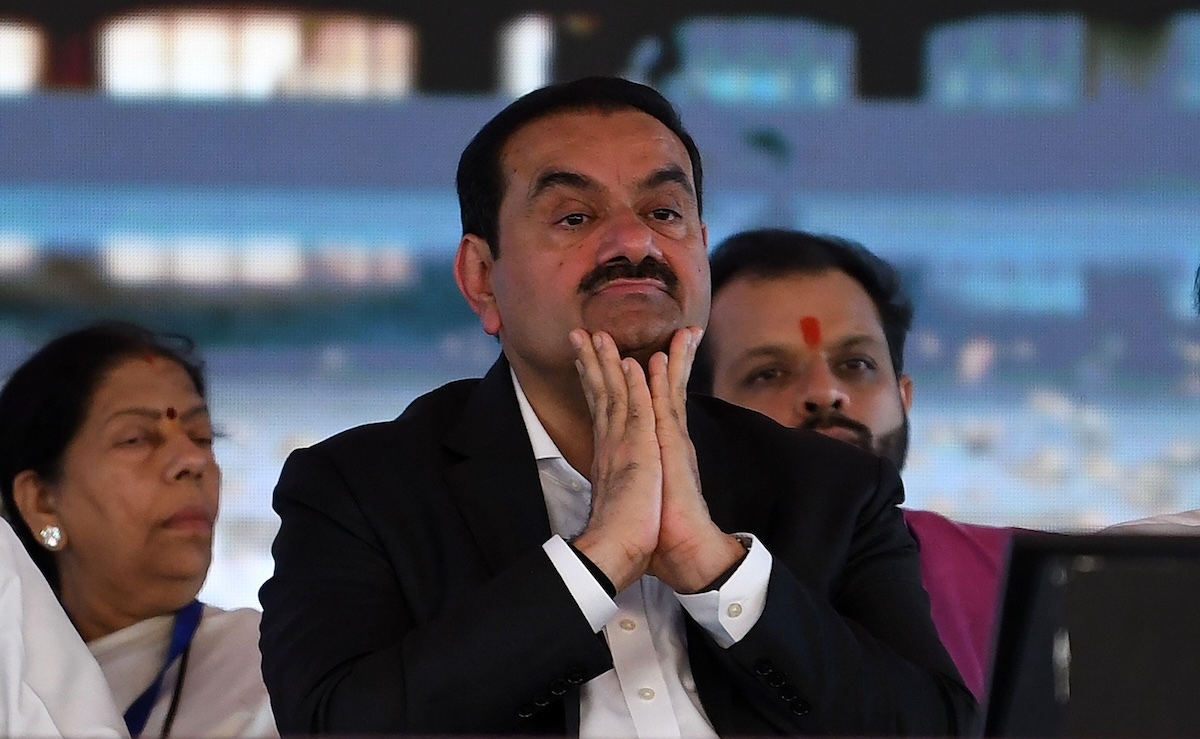
A regulatory easing could see the billionaire’s conglomerate move from running airports to owning an airline—an idea he is warming up to, with multiple options open.