/
•
•
Detailed stories on technology startups, business and economic current affairs.
Overlending by microfinance institutions with next to zero self-regulation has sent indebtedness and defaults soaring in the border state.



KD (we’ll call her that to protect her identity) is a 45-year-old mother of two. She took pride in the fact that she was one of the few women in her neighbourhood, Shaheed Bhagat Singh Nagar, who repaid her microfinance loan instalments even when most others defaulted.
Situated on the outskirts of Punjab’s Mansa town, the area has a handful of cattle along with nearly 1,800 voters, most belonging to Ramdasia and Mazhabi Dalit Sikh castes. Amid the criss-crossing drains and streets, the houses are so cramped that it is hard to tell where a house ends and another begins. …
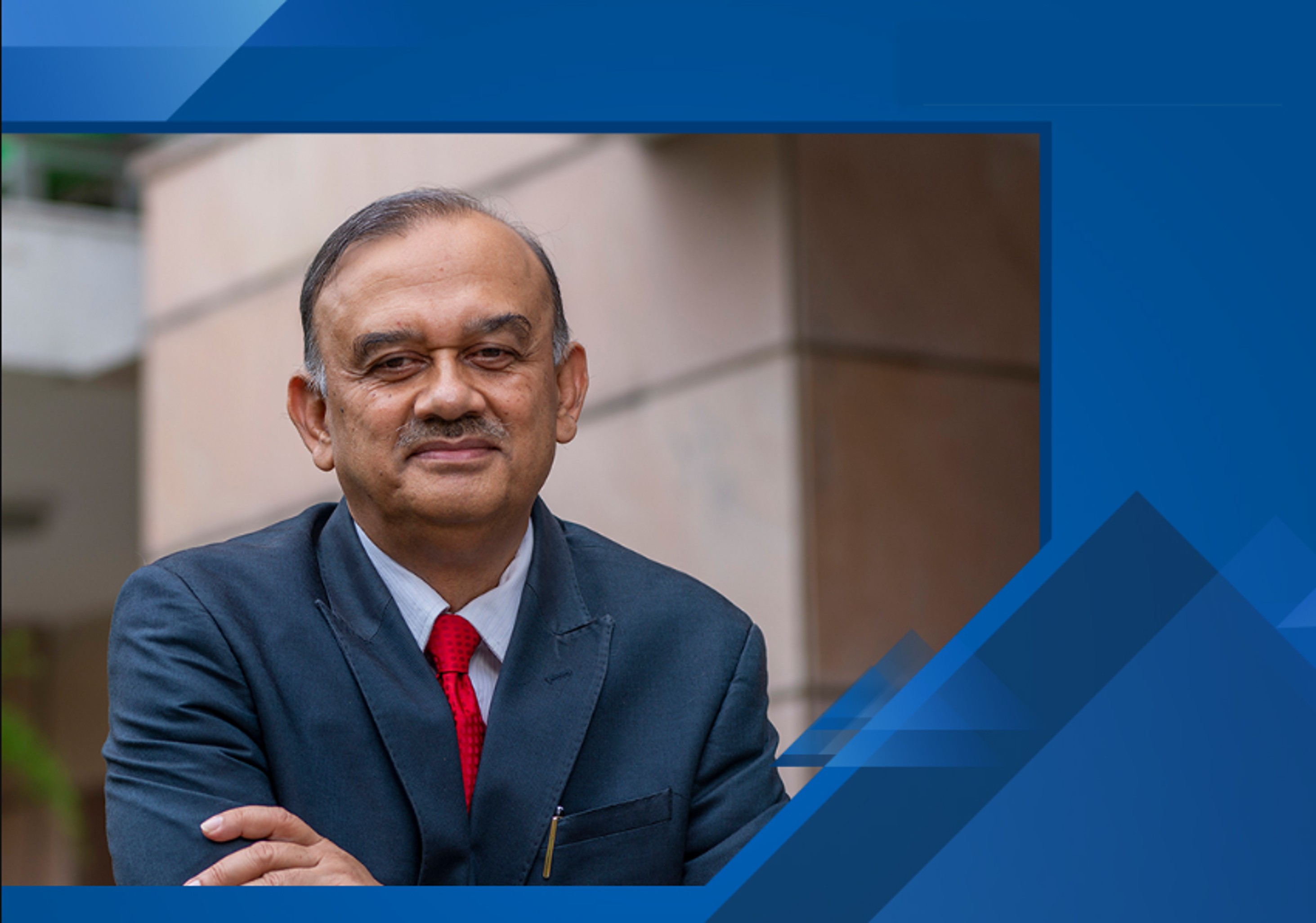
Atanu Chakraborty’s resignation does not appear as damaging as the bank’s response to it. The ‘all is well’ narrative needs an independent audit.

A tumultuous year comes to a close for Indian banks, as they await a revival in borrowing in the new year.

Cutting its decades-old reliance on microfinance loans is the only way the SFB can meet the regulator’s conditions for transitioning to a full-fledged bank