/
•
•
Detailed stories on technology startups, business and economic current affairs.
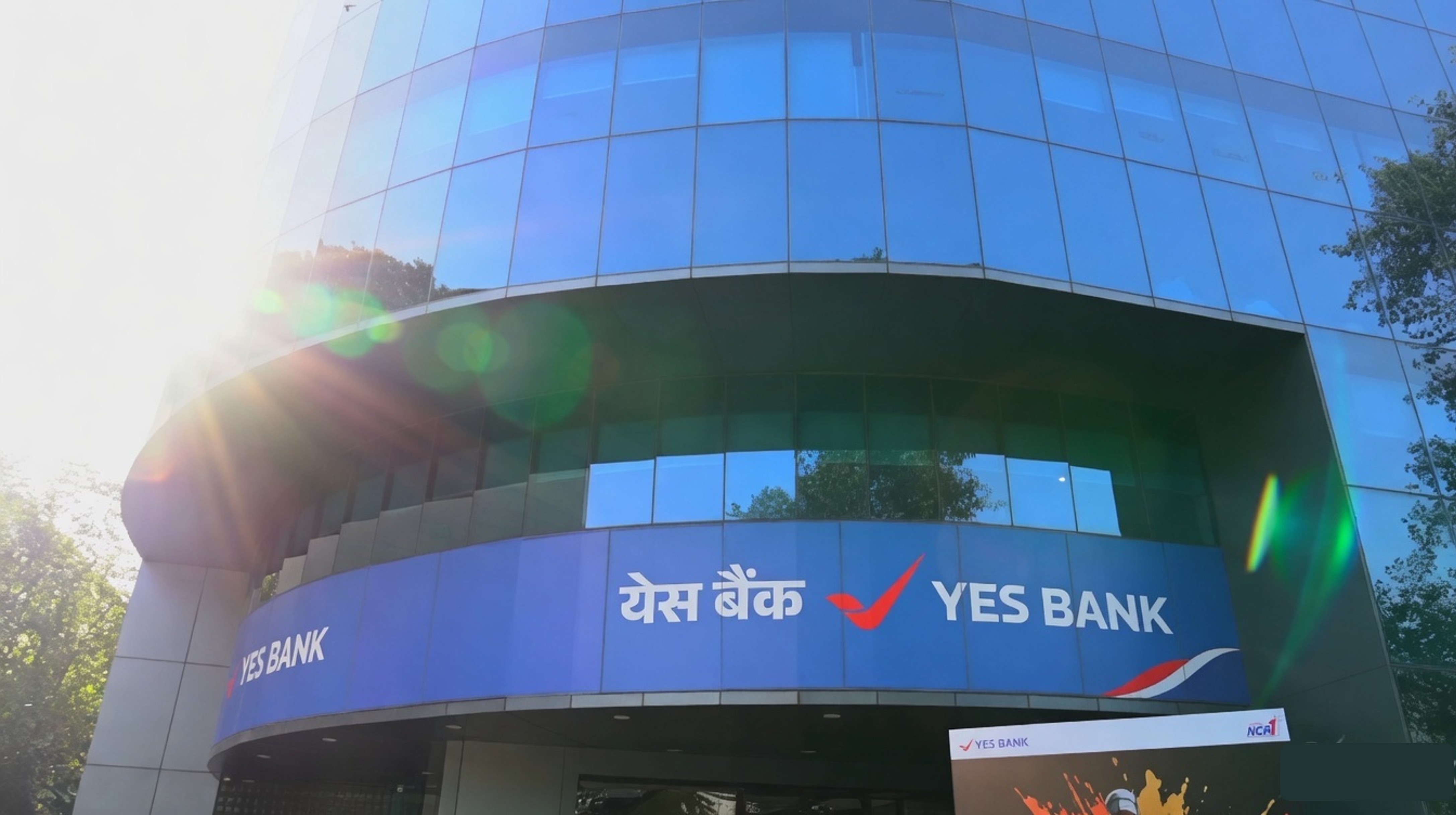
The bank, following its March 2020 bailout, may have gone overboard in its quest for safety. That may soon change as it looks to acquire a microfinance business with the promise of high returns.




Prashant Kumar may have overplayed the safety card. And, that’s beginning to hurt Yes Bank.
Four years ago, when he took charge as its CEO, the bank was in shambles. A fourth of its loan book had turned bad and deposits were flying out the door. Such was the state of its liquidity that it barely had cash to run operations for two weeks. Its balance sheet had shrunk by a third in just a year. In short, its chances of survival looked bleak.
Kumar had to rebuild Yes Bank from scratch, and he did well in getting the bank …
The beleaguered lender outperformed larger rivals—and itself—on several metrics in FY26, but one-offs and a still weak retail engine keep its investors on edge.

Atanu Chakraborty’s resignation does not appear as damaging as the bank’s response to it. The ‘all is well’ narrative needs an independent audit.
Divergent narratives from the Haryana government and the lender raise deeper questions on oversight, authorizations and systemic lapses—answers that may emerge only after a forensic audit.