/
•
•
Detailed stories on technology startups, business and economic current affairs.
The billion-and-a-half citizens of the ‘mother of democracy’ are mere extras in the story of Narendra Modi.



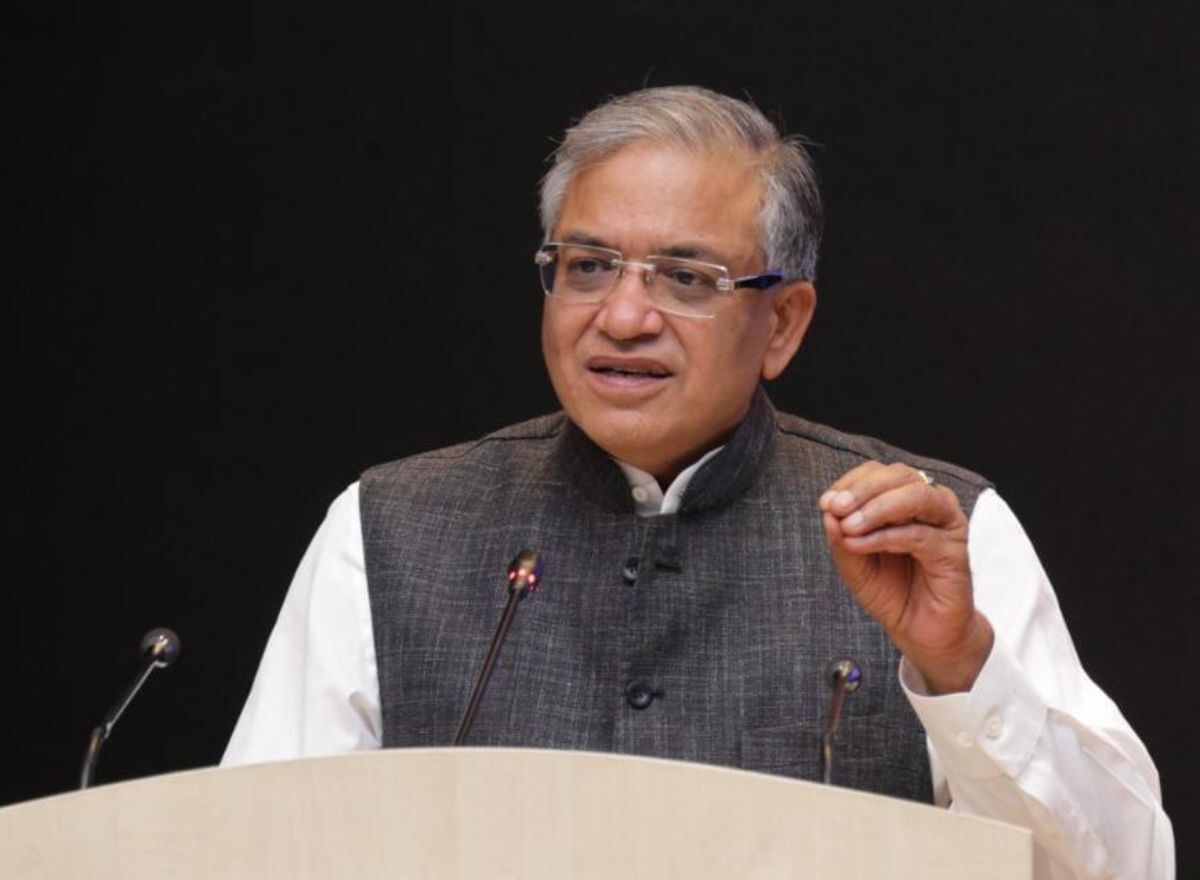
Confident societies do not foster cults. It is despondent, unhappy, self-doubting, insecure places that submit to saviours. The animated ad released last week by the Bharatiya Janata Party—a prelude to the upcoming campaign for 2024—is designed for a nation in thrall to its rescuer. It reduces the complex story of India to one man’s journey. The citizens of the world’s most populous democracy—a billion-and-a-half people—are mere extras in his tale. He sees suffering, distributes charity, defeats sinister enemies—human and viral—is courted by Western leaders, and keeps going. India is surging forward, and we owe it all to one individual. The …
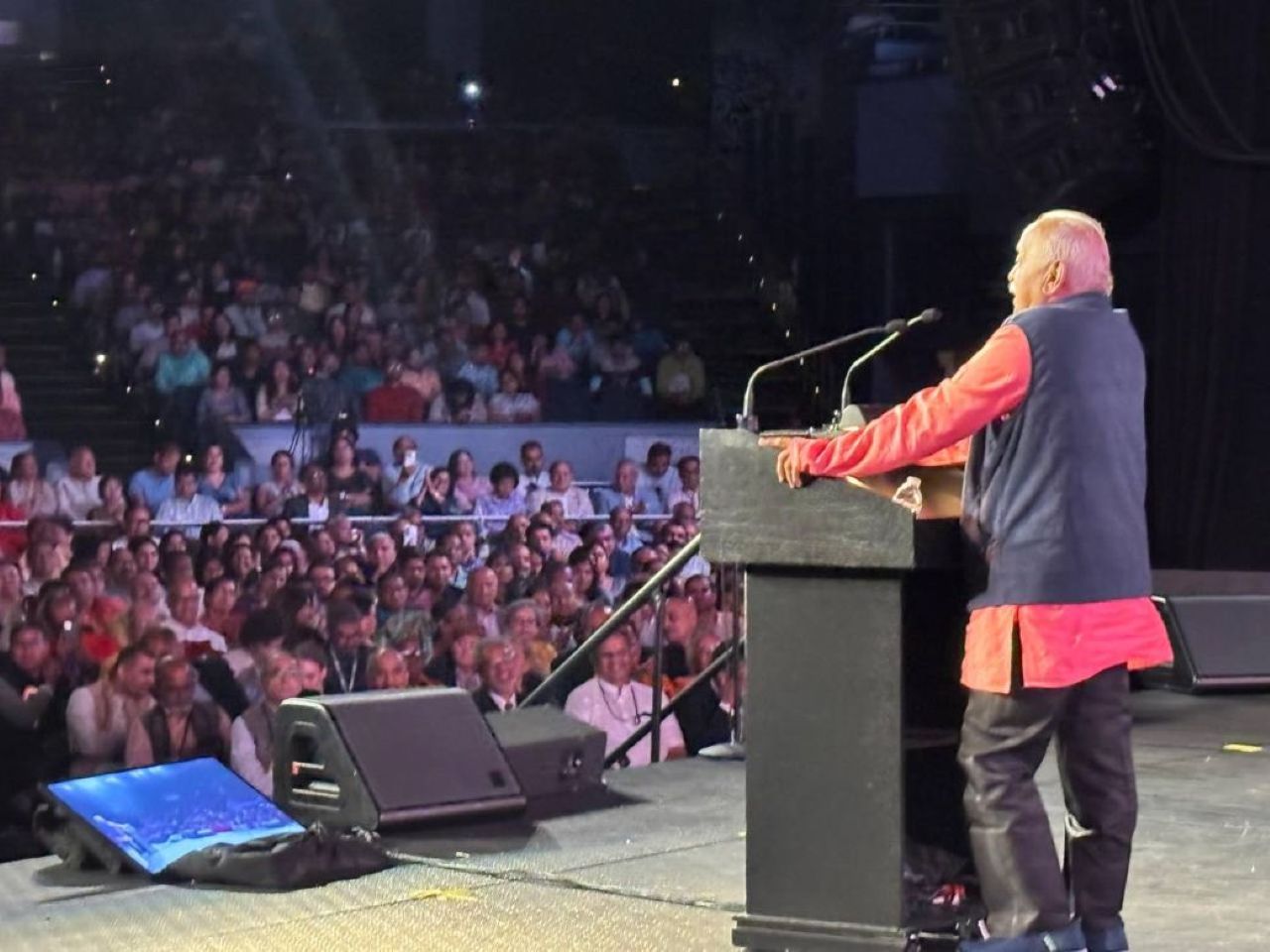
Influence cannot be manufactured through diaspora networks, carefully branded events or political donations. It requires honesty and credibility.
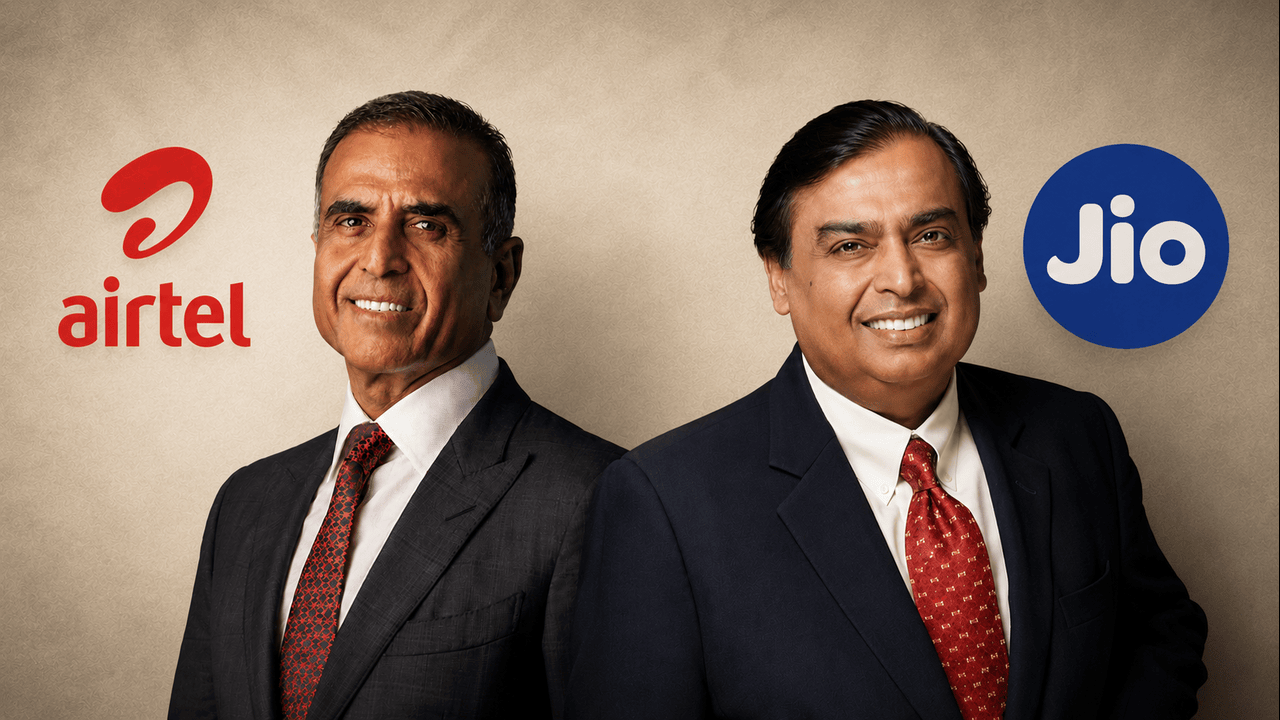
Instead of going after scale like Jio, the Sunil Bharti Mittal-led telecom giant is chasing a smaller but higher-quality customer base to grow its home broadband segment. Will the bet pay off?