/
•
•
Detailed stories on technology startups, business and economic current affairs.
Fisherwomen in Tamil Nadu’s Pamban Island show how seaweed farming can be a means to deal with declining fish catch and climate change.



Editor's note: At various points along the westward side of the 30-km-long Pamban Island, if you look carefully enough, small bobbing shapes, which a sea-trained eye can make out to be swimmers with snorkels, can be seen. More easily spotted are square-shaped bamboo rafts floating not more than 100 metres from the shore, resembling pieces of a jigsaw puzzle that has come apart. Women can be seen tending to these rafts or pulling them onto the shore. Both these near-shore activities are methods to pick naturally grown seaweed or grow seaweed that is then harvested on shore. Seaweed is the common name given to countless species of plants and algae that grow in the oceans as well as in rivers and lakes. They vary in size from the microscopic phytoplankton to the giant kelp. The term “seaweed” itself is a misnomer because these so-called “weeds” do not harm the environment; in fact, they are essential for the survival of innumerable marine creatures, both as food and as habitat. They also hold many uses for humans, ranging from being used as food additives, …

Fisherwomen in Tamil Nadu’s Pamban Island show how seaweed farming can be a means to deal with declining fish catch and climate change.
Editor's note: At various points along the westward side of the 30-km-long Pamban Island, if you look carefully enough, small bobbing shapes, which a sea-trained eye can make out to be swimmers with snorkels, can be seen. More easily spotted are square-shaped bamboo rafts floating not more than 100 metres from the shore, resembling pieces of a jigsaw puzzle that has come apart. Women can be seen tending to these rafts or pulling them onto the shore. Both these near-shore activities are methods to pick naturally grown seaweed or grow seaweed that is then harvested on shore. Seaweed is the common name given to countless species of plants and algae that grow in the oceans as well as in rivers and lakes. They vary in size from the microscopic phytoplankton to the giant kelp. The term “seaweed” itself is a misnomer because these so-called “weeds” do not harm the environment; in fact, they are essential for the survival of innumerable marine creatures, both as food and as habitat. They also hold many uses for humans, ranging from being used as food additives, …
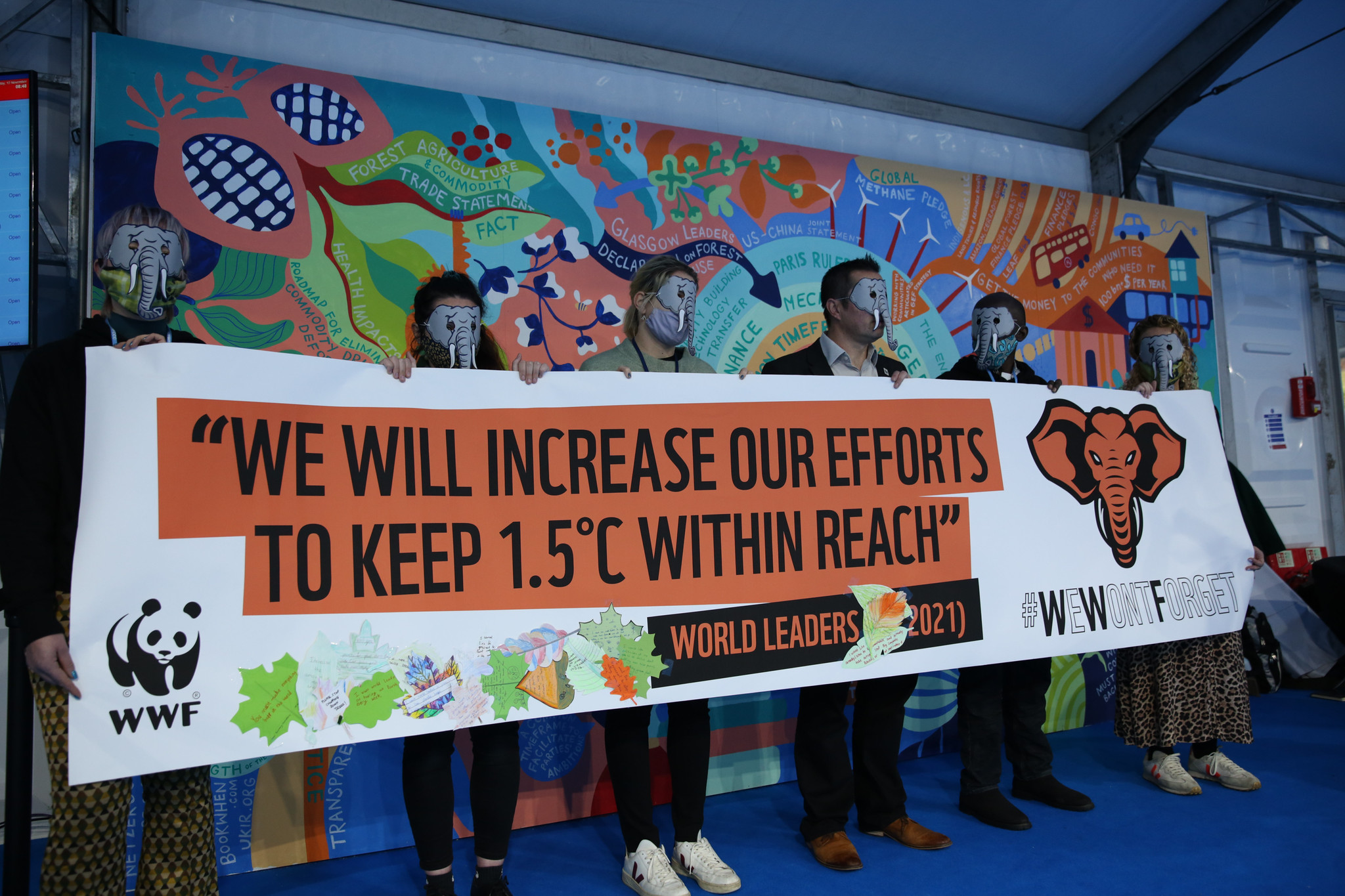
The window to prevent the worst impacts of climate change has shut. The heat is on global leaders at the annual climate talks in Brazil to deliver more than just theatre.
The Kanjurmarg landfill, operated by Antony Waste Handling Cell Ltd., is safe from the axe for now. But its fate remains a major source of worry for the company's shareholders and the city's residents alike.

Bluesky vs X, the UAE deluge, Adar Poonawalla’s investment in Karan Johar’s Dharma Productions and more.
The window to prevent the worst impacts of climate change has shut. The heat is on global leaders at the annual climate talks in Brazil to deliver more than just theatre.
The Kanjurmarg landfill, operated by Antony Waste Handling Cell Ltd., is safe from the axe for now. But its fate remains a major source of worry for the company's shareholders and the city's residents alike.
Bluesky vs X, the UAE deluge, Adar Poonawalla’s investment in Karan Johar’s Dharma Productions and more.