/
•
•
Detailed stories on technology startups, business and economic current affairs.
The recent NSE fiasco indicates a larger systemic problem: there is a general malaise, seeping deep among India’s sectoral regulators.




By now, you might have heard that the Securities and Exchange Board of India (SEBI) has finally passed its order after looking into the major irregularities—suspicious appointments, trips to tax havens by senior management, preferential access to certain brokers, mysterious emails from yogis, etc.—at the National Stock Exchange (NSE). It is a different matter that the order is far from satisfactory and comes more than six years after the initial complaints were made to SEBI and long after a series of investigative reports by Moneylife—the consumer advocacy organization that brought NSE’s lapses into public discourse.
It is disappointing, yes, …

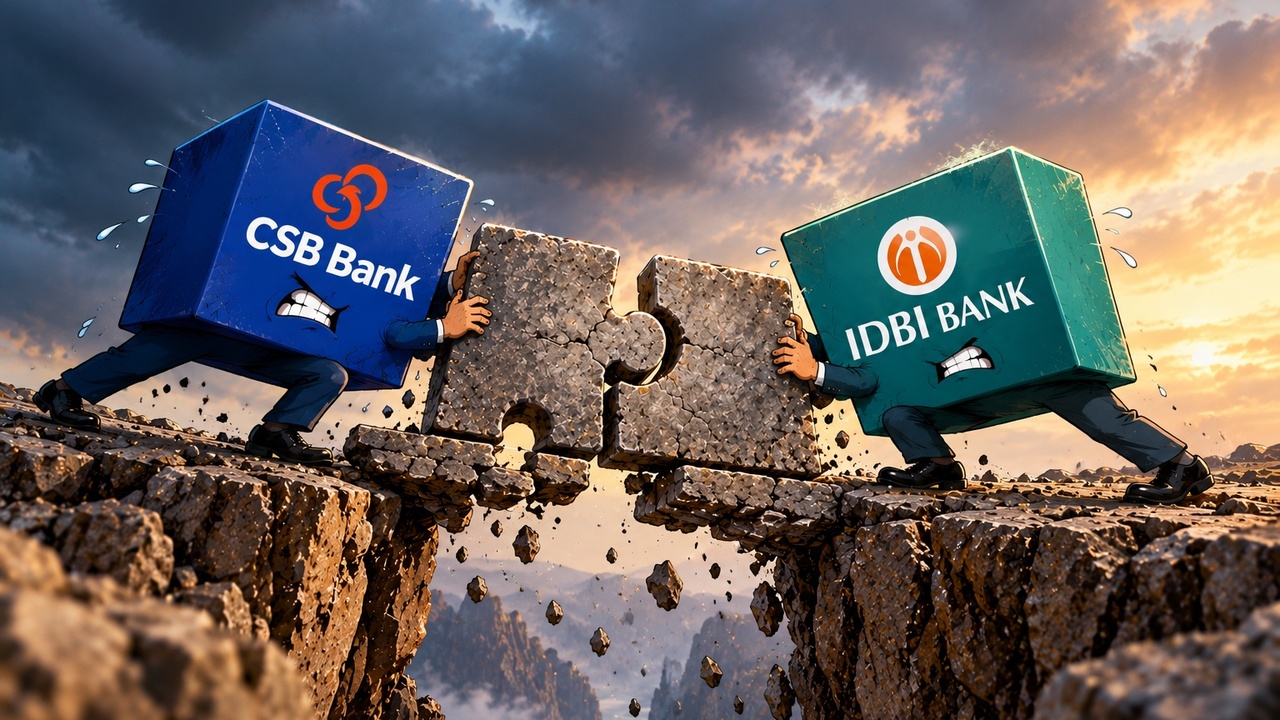
The acquisition of IDBI Bank puts his Fairfax smack dab in the middle of the RBI’s rules on bank ownership. It must now decide whether to sell CSB Bank or merge the two lenders, neither of which will be easy.

Lenders stand to gain a lot more than borrowers in the current challenging market environment

IRDAI wants to fix a model where distributors chasing high commissions push unsuitable policies, hurting customers. The regulator should brace for a major industry pushback.