/
•
•
Detailed stories on technology startups, business and economic current affairs.
While we worry about air quality in the winter, pollution levels in north India continue to be bad in the summer + the environment ministry rolls out further exemptions to the coal sector.



Editor's note: Air pollution in northern India is a famously seasonal affair. I’m speaking not of the actual pollution, but of the public discourse around it. In mid-October, the onset of winter coincides with the burning of paddy stubble in Punjab, Haryana and other states. Pollution sees a further spike during Diwali. These spikes provide an impetus to the government to frame new laws, the courts to pass directions in age-old air pollution cases, and media outlets to cover the story full-time. But by the end of December, the holiday cheer sets in and everybody forgets about air quality until the next October. But there’s a good reason why this should not be the case. While air quality is indeed terrible in October-November, it is not exactly safe in the summer either. On Monday (16 May), the average daily reading of PM10 (coarse particulate matter smaller than 10 microns but larger than the PM2.5 particles) was a shocking 438 micrograms per cubic metre in South Delhi’s R.K. Puram locality, compared with the national air quality standard of 100 μg/m3 and the World …
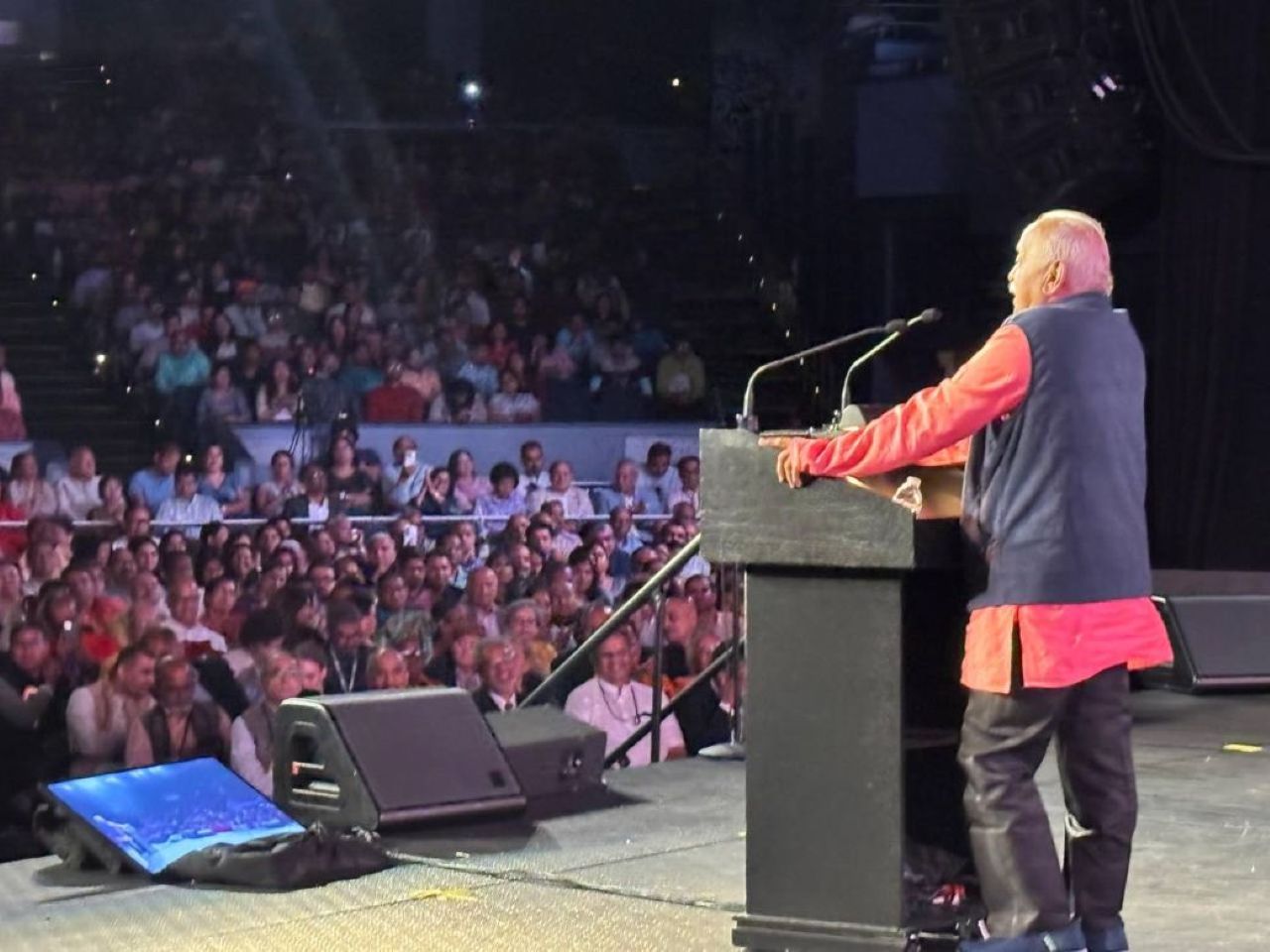
While we worry about air quality in the winter, pollution levels in north India continue to be bad in the summer + the environment ministry rolls out further exemptions to the coal sector.
Editor's note: Air pollution in northern India is a famously seasonal affair. I’m speaking not of the actual pollution, but of the public discourse around it. In mid-October, the onset of winter coincides with the burning of paddy stubble in Punjab, Haryana and other states. Pollution sees a further spike during Diwali. These spikes provide an impetus to the government to frame new laws, the courts to pass directions in age-old air pollution cases, and media outlets to cover the story full-time. But by the end of December, the holiday cheer sets in and everybody forgets about air quality until the next October. But there’s a good reason why this should not be the case. While air quality is indeed terrible in October-November, it is not exactly safe in the summer either. On Monday (16 May), the average daily reading of PM10 (coarse particulate matter smaller than 10 microns but larger than the PM2.5 particles) was a shocking 438 micrograms per cubic metre in South Delhi’s R.K. Puram locality, compared with the national air quality standard of 100 μg/m3 and the World …
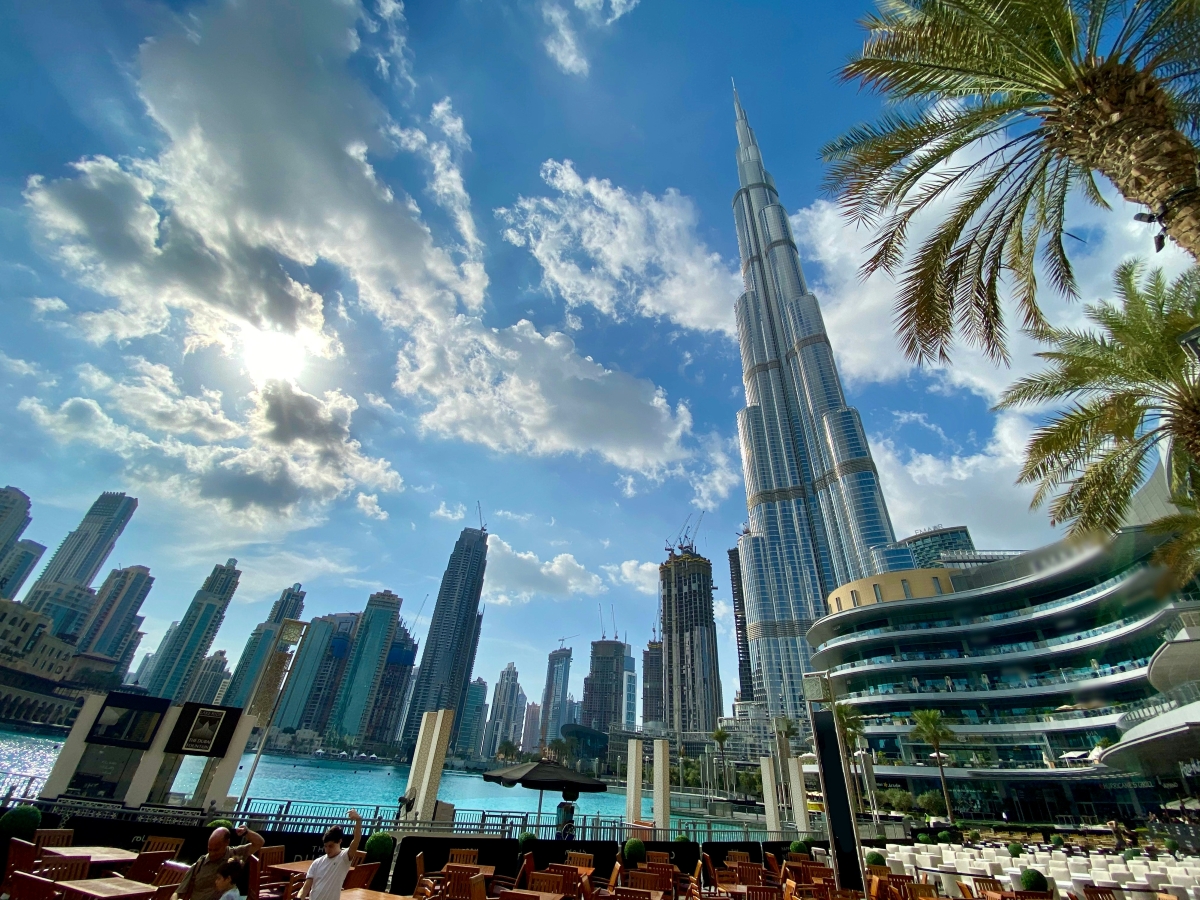
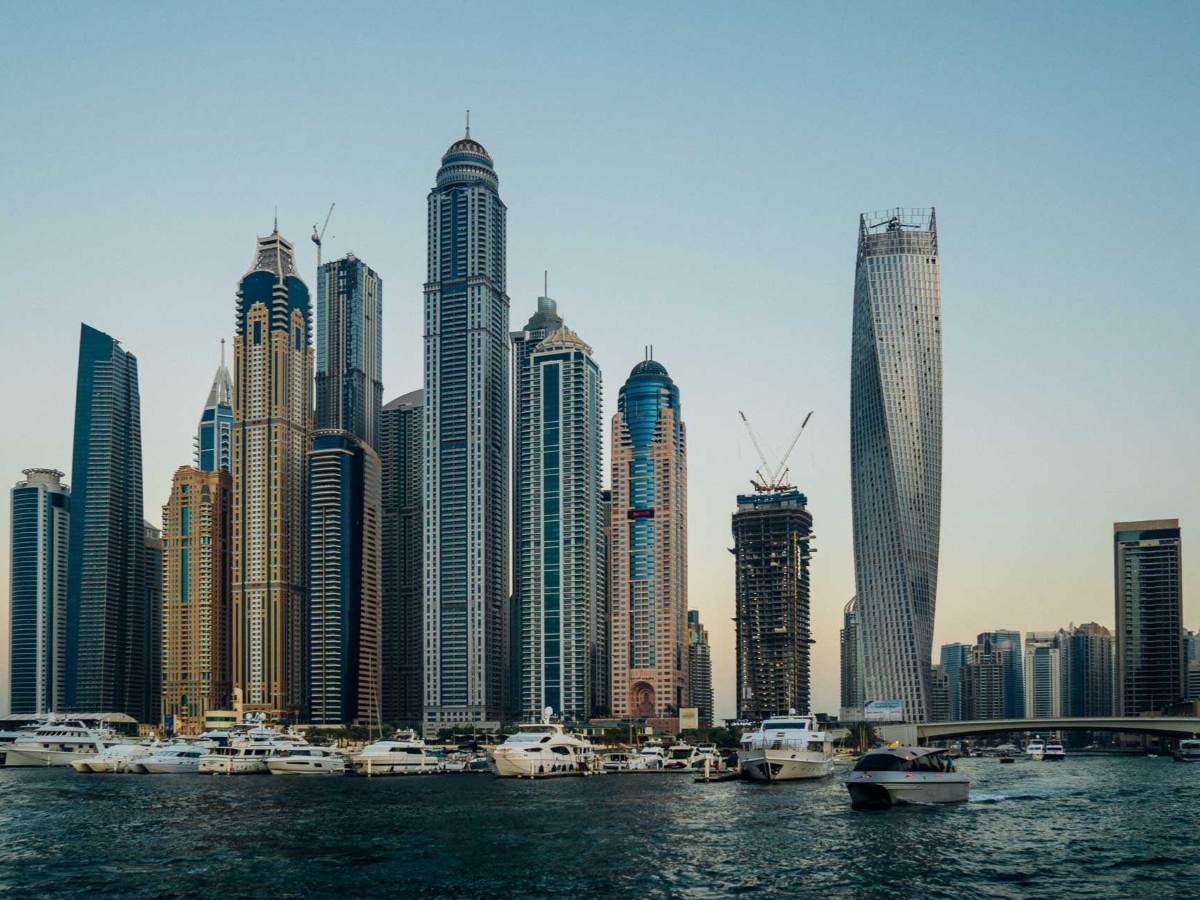
With no minimum investment threshold, the emirate is widening access to residency even as geopolitical risks cloud its appeal.

The framework reads less like an agreement between partners and more like a probation order written by the stronger side.
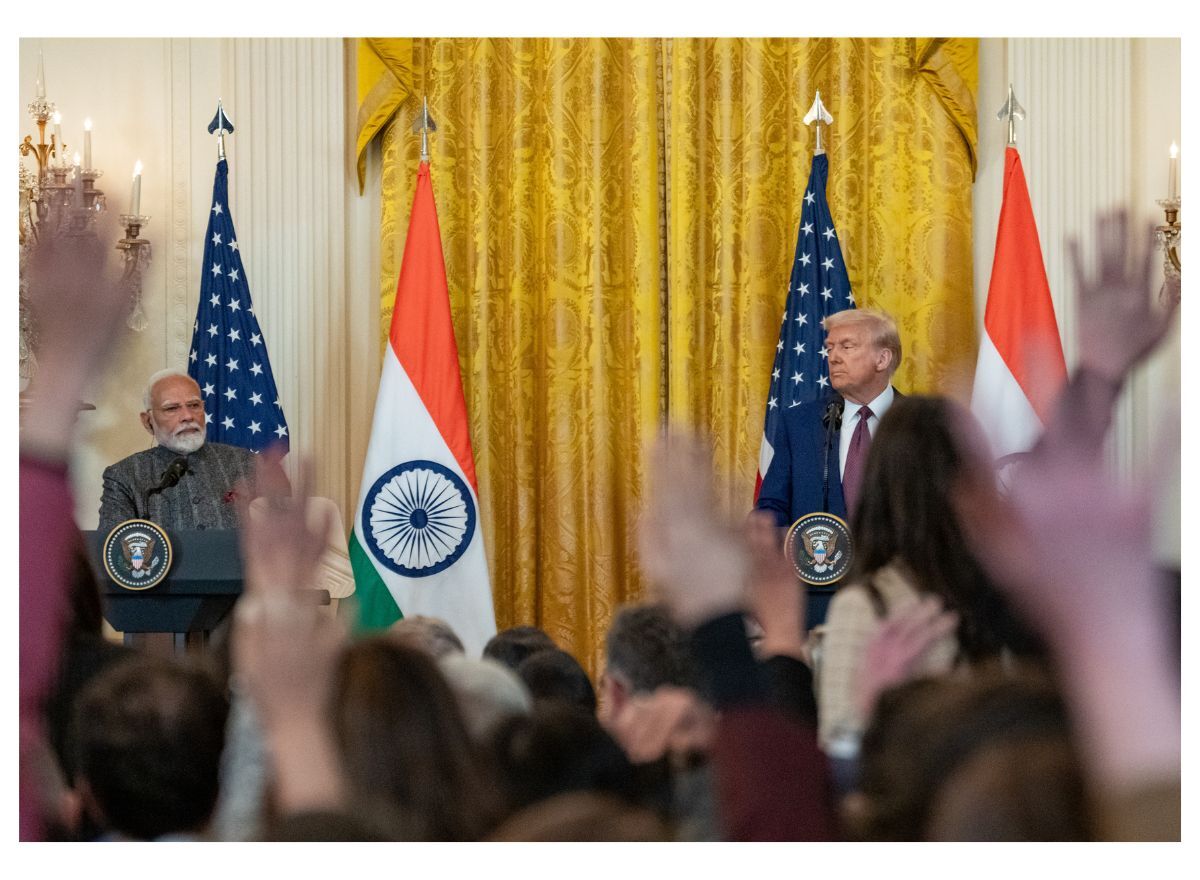
It’s never a good sign when your foreign minister needs a lobbyist to meet US officials. The recent events signal a breakdown in the Modi government’s ability to operate in today’s Washington through its own machinery.
With no minimum investment threshold, the emirate is widening access to residency even as geopolitical risks cloud its appeal.
The framework reads less like an agreement between partners and more like a probation order written by the stronger side.
It’s never a good sign when your foreign minister needs a lobbyist to meet US officials. The recent events signal a breakdown in the Modi government’s ability to operate in today’s Washington through its own machinery.