/
•
•
Detailed stories on technology startups, business and economic current affairs.



Editor's note: In November, Didi Chuxing, the Chinese cab-hailing company that drove Uber out of the country, announced that BYD, one of the world’s largest electric car makers, is launching a custom electric car for Didi’s cab fleet. Called the D1, it was made specifically for the kind of use that ride-hailing platforms see. Earlier this week, the news broke that Tesla, the American EV manufacturer that is the industry’s global poster child and now the most valuable automaker in the world, had incorporated an Indian subsidiary. Electric enthusiasts and fans of Tesla (which trades blows with Warren Buffett-backed BYD for the EV sales crown globally) in India rejoiced, but nobody has any clue if, when and how the company will actually launch its products here. What’s more important is that Tesla has been getting serious about the Chinese market first. The company launched its SUV programme there in early January, after setting up a Chinese plant in late 2019. As in many things, China is the next big market, and here, global companies at least have a shot. Local EV makers …
Editor's note: In November, Didi Chuxing, the Chinese cab-hailing company that drove Uber out of the country, announced that BYD, one of the world’s largest electric car makers, is launching a custom electric car for Didi’s cab fleet. Called the D1, it was made specifically for the kind of use that ride-hailing platforms see. Earlier this week, the news broke that Tesla, the American EV manufacturer that is the industry’s global poster child and now the most valuable automaker in the world, had incorporated an Indian subsidiary. Electric enthusiasts and fans of Tesla (which trades blows with Warren Buffett-backed BYD for the EV sales crown globally) in India rejoiced, but nobody has any clue if, when and how the company will actually launch its products here. What’s more important is that Tesla has been getting serious about the Chinese market first. The company launched its SUV programme there in early January, after setting up a Chinese plant in late 2019. As in many things, China is the next big market, and here, global companies at least have a shot. Local EV makers …
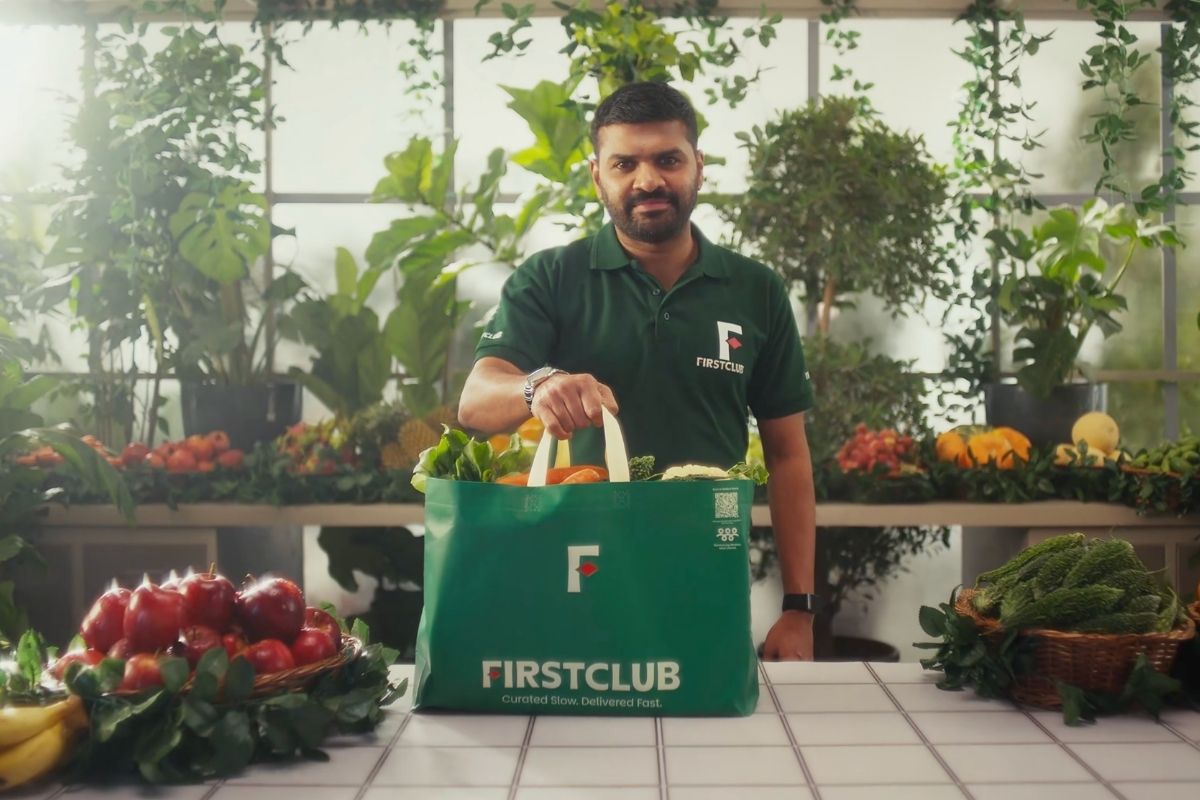
In less than two years, the instant delivery startup that puts quality above all else has attracted marquee VC investors, earning a valuation of $255 million. How far the niche bet will take it is anybody’s guess.
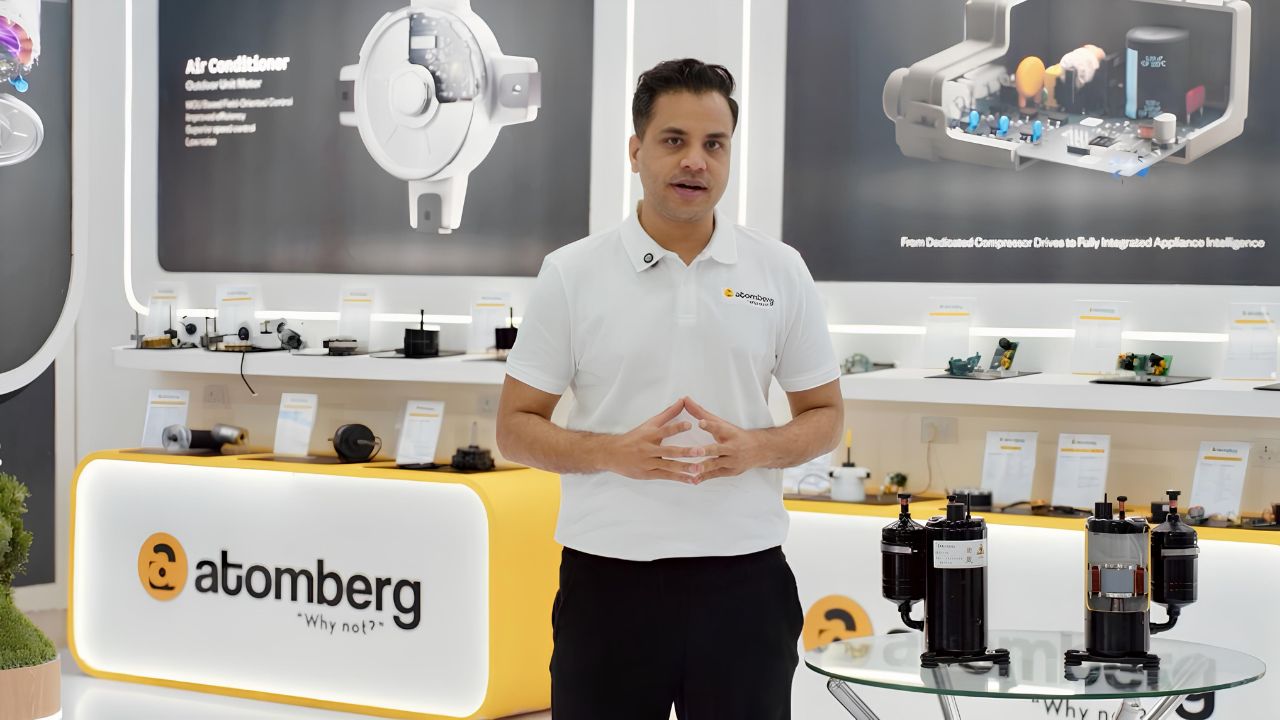
As the smart fan maker gears up for an IPO, prospective investors could do with some clarity on what the company’s next phase of growth will look like.
A churn in venture capital collides with the fear of missing the AI wave, while the Ajay Singh-led airline’s recurring crises raise deeper questions.
In less than two years, the instant delivery startup that puts quality above all else has attracted marquee VC investors, earning a valuation of $255 million. How far the niche bet will take it is anybody’s guess.
As the smart fan maker gears up for an IPO, prospective investors could do with some clarity on what the company’s next phase of growth will look like.
A churn in venture capital collides with the fear of missing the AI wave, while the Ajay Singh-led airline’s recurring crises raise deeper questions.