/
•
•
Detailed stories on technology startups, business and economic current affairs.
Unflinching support from athletes, actors, journalists, defence personnel and businesspersons is key to the Modi government’s popularity on the social media platform.



Editor's note: Soon after the BBC documentary “India: The Modi Question” released a couple of weeks ago, a group of 302 “eminent persons” wrote an open letter in support of Prime Minister Narendra Modi. The two-part series tracks the persecution of Muslims under the Modi-led governments in Gujarat and at the Centre. The documentary, says the letter, “reeks of motivated distortion that is as mind-numbingly unsubstantiated as it is nefarious”. Signed by 13 judges, 133 bureaucrats and 156 armed forces officers, a majority of them retired, the letter added to the raft of conspiracy theories against the BBC floating on Twitter already. One of the more popular hashtags was “BBCQuitIndia”. The Bharatiya Janata Party is known to be sensitive to criticism. Under its rule since 2014, India has been leading in the number of takedown requests for online content. As dissenters are silenced, support from “eminent people” from various walks of public life is amplified. This has helped create an impression that Modi enjoys widespread support among the elite. To understand this phenomenon, since 2018, Joyojeet Pal, an associate professor at the …
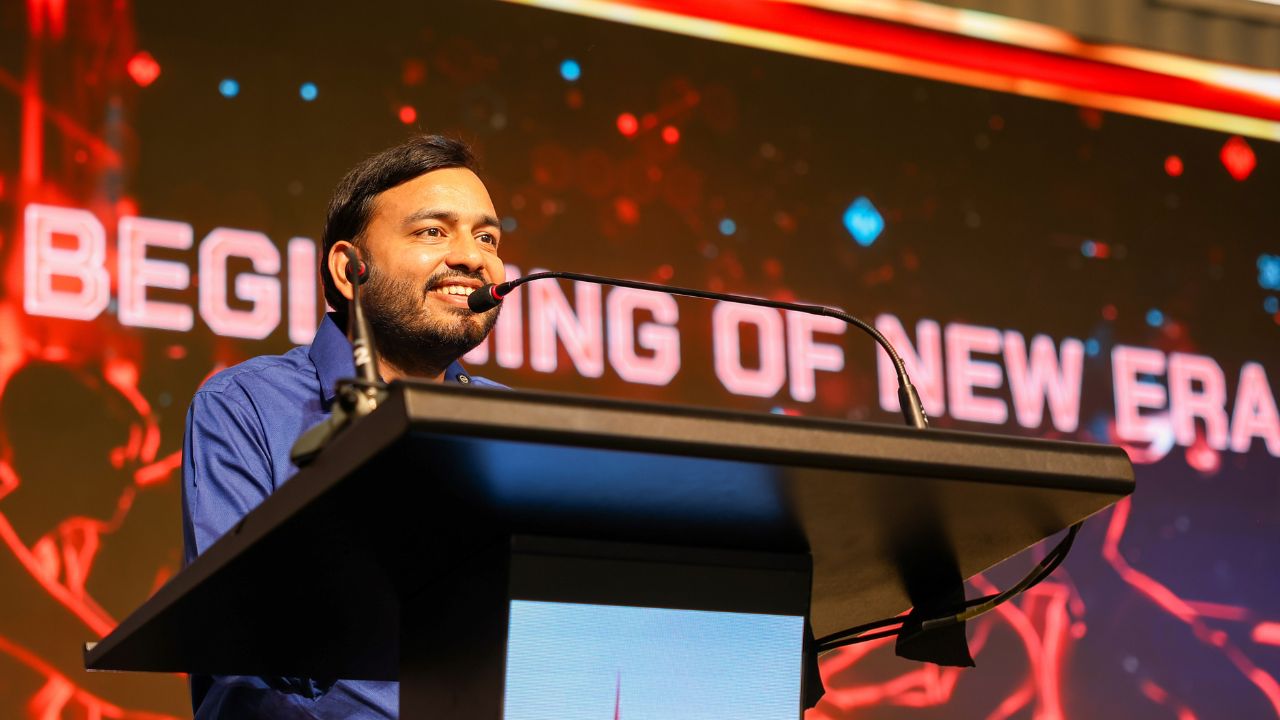
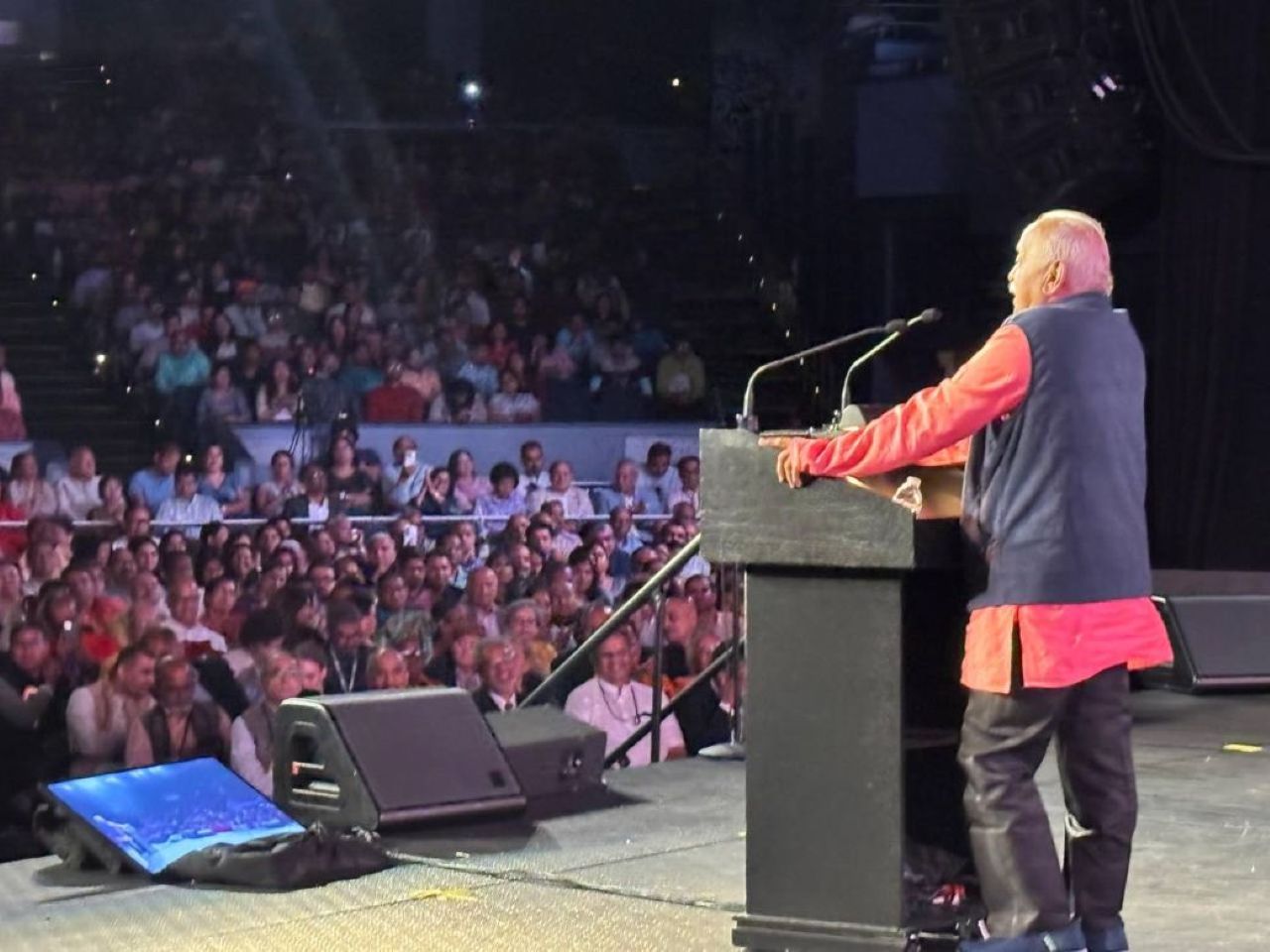
Influence cannot be manufactured through diaspora networks, carefully branded events or political donations. It requires honesty and credibility.
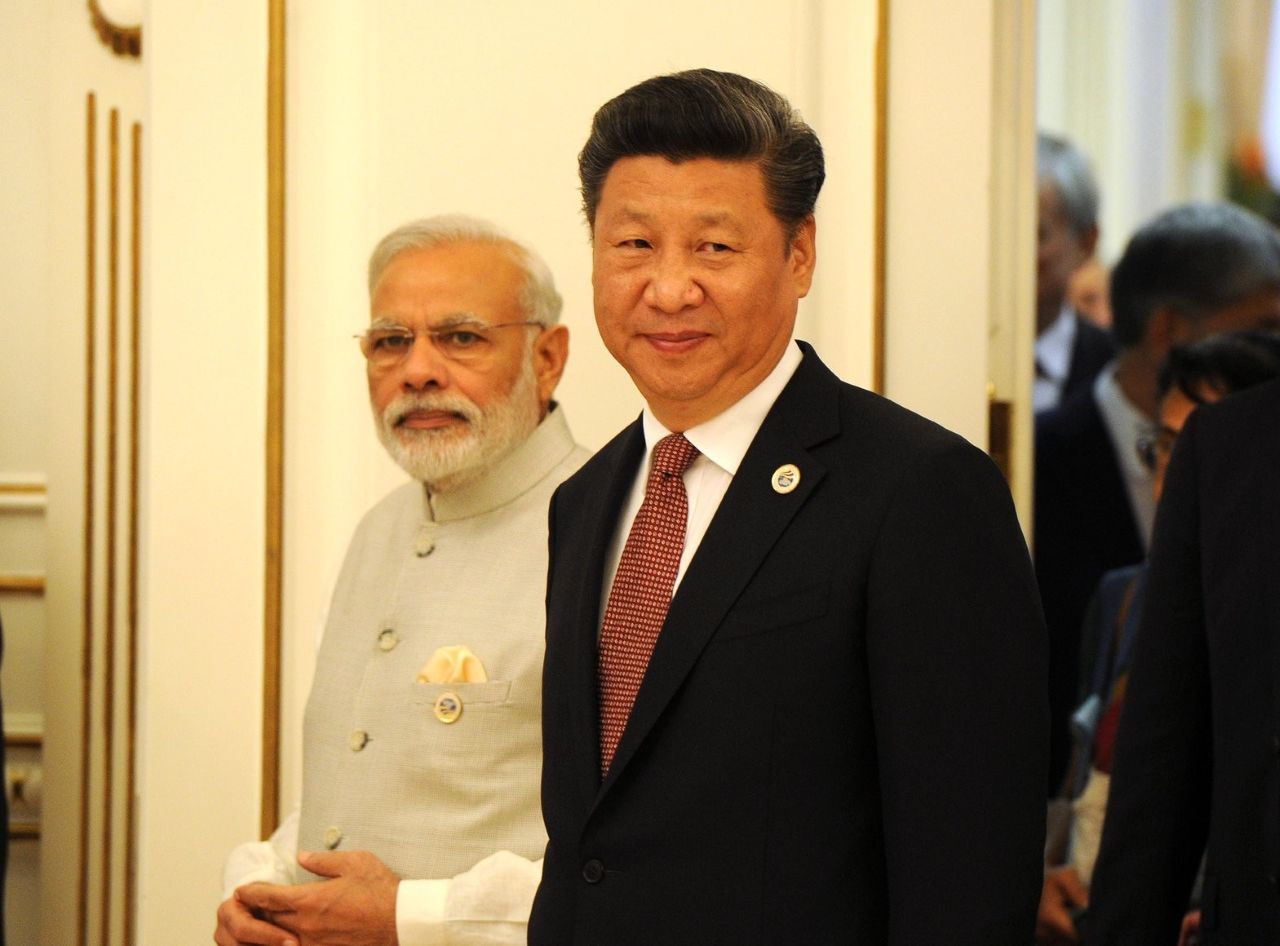
Chinese diplomats to India are saying all the right things for Indian ears, but Beijing’s policy actions are moving in the opposite direction.

The country's fighter jet roadmap rests on imported propulsion, leaving its military plans hostage to cost shocks, delays and geopolitics.