/
•
•
Detailed stories on technology startups, business and economic current affairs.
15-minute deliveries are the flavour of the season. At what point does it all start making sense?



It’s 2015 all over again. “Hyperlocal” as a buzzword is back in fundraising pitches and investor discussions. Only this time, the phenomenon is more ambitious than ever before—bigger and bolder, so to say.
In the past few months, the race to deliver groceries to your doorstep has been moving from an hour to 45, 30, 15 minutes, or even less. At this point, same-day or even two-hour delivery is for losers.
Multiple startups have now either launched express delivery verticals or ramped up their existing services. Food delivery startup Swiggy has been investing heavily in its Instamart grocery service; a …

The Walmart-owned e-commerce company has entered microdramas and food delivery. Is it thinking long-term or just chasing a trend?
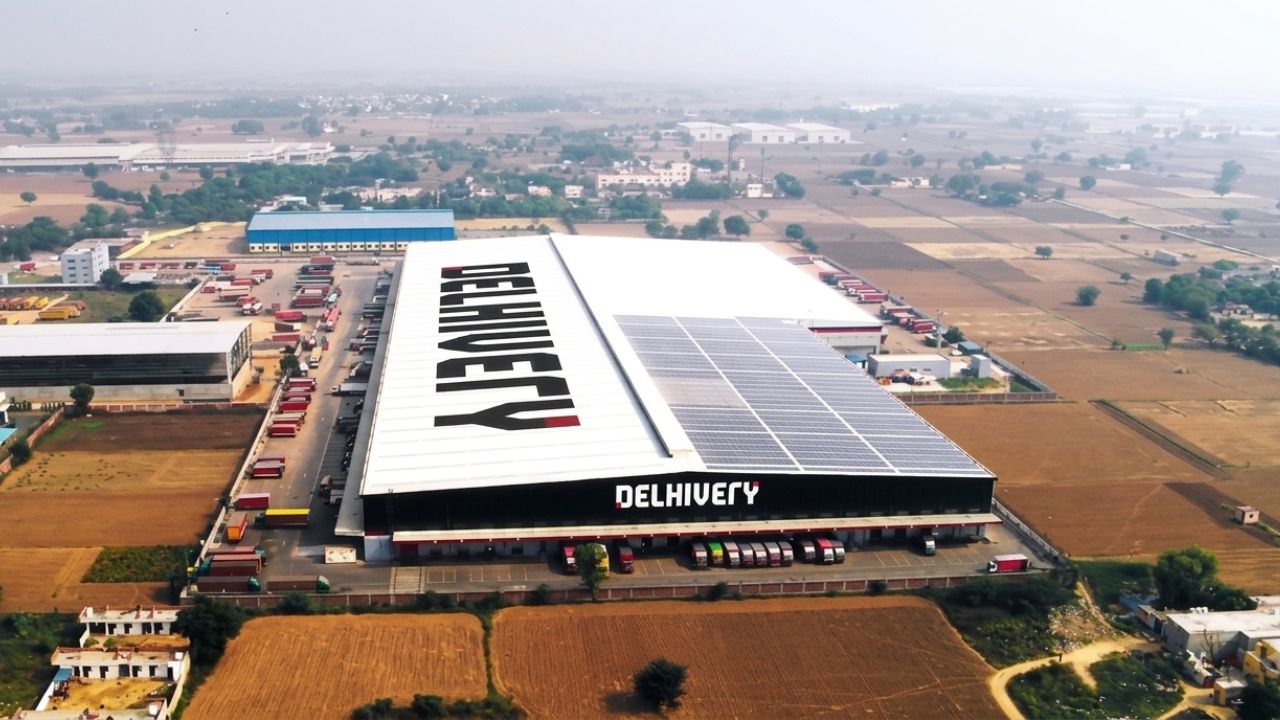
Four years after listing, the logistics company is still searching for sustainable growth as rising costs, weak pricing power and limited new engines weigh on margins.
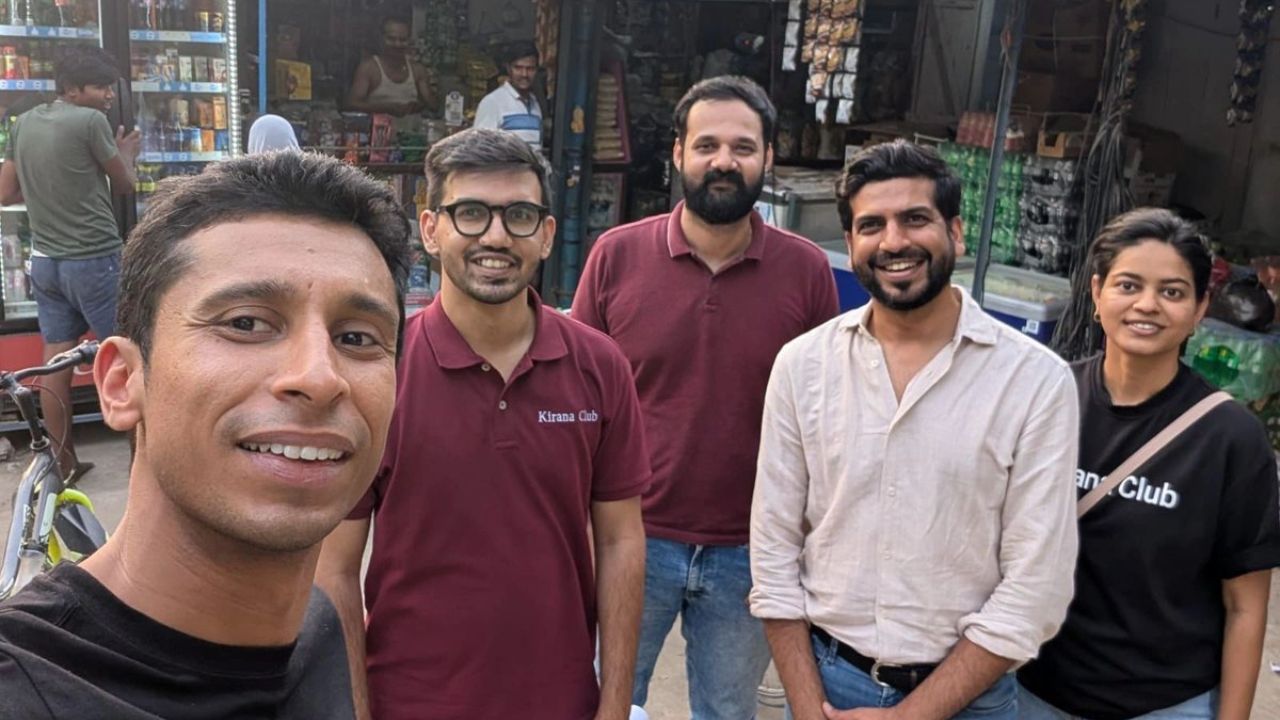
Its acquisition of Kirana Club signals an attempt to find a new growth engine, but grocery retail has been a challenge for even well-funded players.