/
•
•
Detailed stories on technology startups, business and economic current affairs.
Lax handling of customer information and the targeting of individuals with PAN data obtained in an unsavoury manner have the regulator concerned.




On 3 December 2021, the mobile screens of thousands across the country displayed a curious text message on behalf of Navi Finserv, a non-bank lender owned by Flipkart co-founder Sachin Bansal’s Navi Technologies. “Dear xx, Congratulations!! Your PAN [unmasked 10-digit Permanent Account Number] is eligible for a pre-approved personal loan of Rs xx lakh from NAVI. Apply now (through this link),” it read.
One 40-year-old resident of Mumbai was one of the recipients of the controversial SMS. He had never applied for a loan with Navi, or with any other lender for that matter. He can’t think of any action …
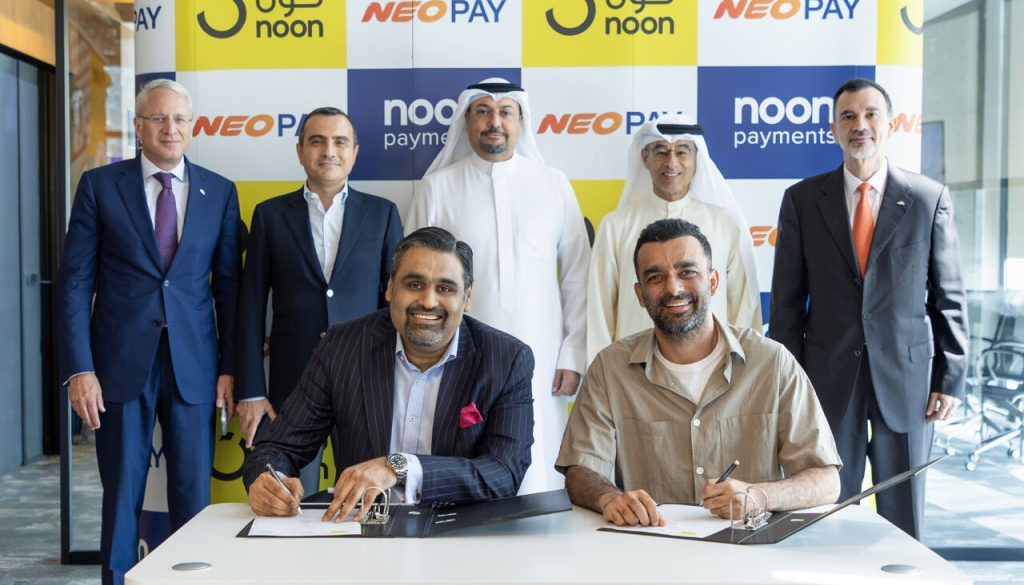
A local fintech deal to consolidate operations, feedback on Saudi Arabia’s proposed IPO rules, and Ras Al Khaimah’s casino economy.

The kingdom is moving to tighten the rules around public listings, algorithmic trading, trading in foreign securities and company disclosures—all in an effort to chase transparency.

The newly announced levy on UPI payments undermines the very foundation of using digital payments for stock market investing. Brokers are in a tizzy.