/
•
•
Detailed stories on technology startups, business and economic current affairs.
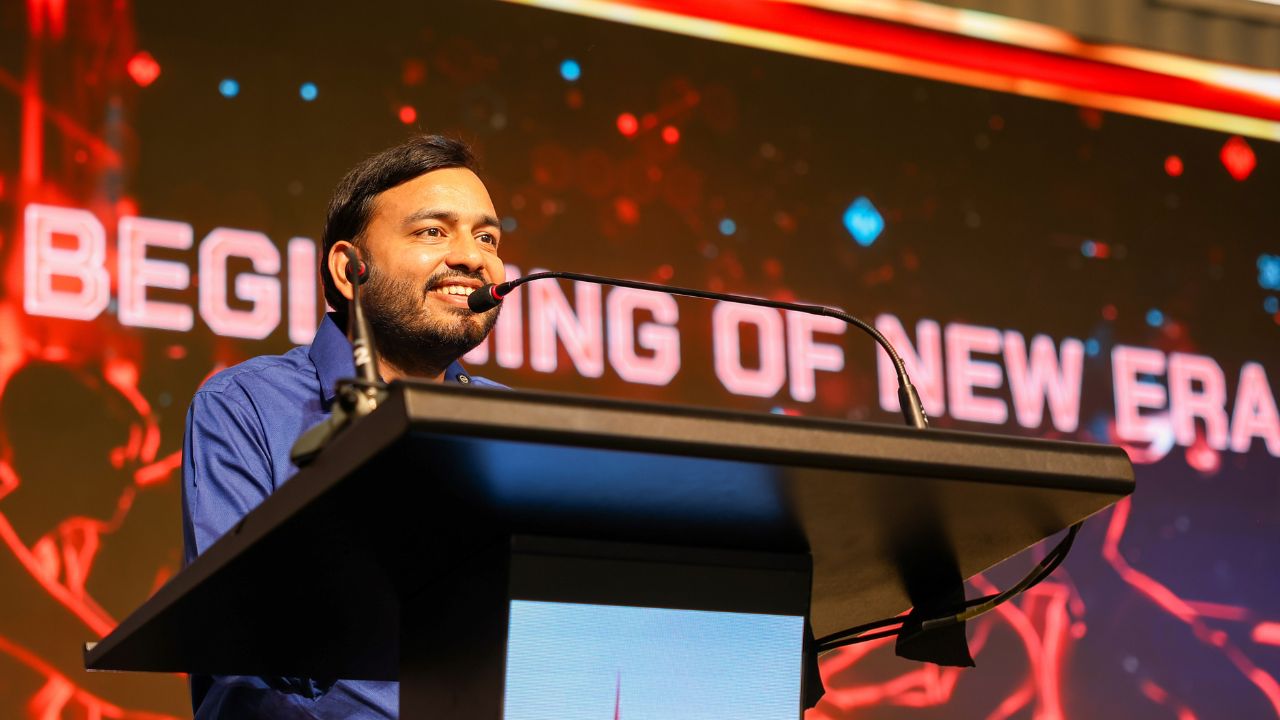
Pixxel co-founder and CEO Awais Ahmed on what it takes to build and run a space tech company in India.



It’s late one April evening in Bengaluru. In a small room that serves as the office of space technology startup Pixxel, a few employees, their friends and families, some engineers, investors and scientists have gathered, their eyes glued to a big screen that shows live footage from Florida’s Cape Canaveral Space Force Station. A rocket is going to launch any moment now.
For everyone involved, it’s been a stressful day. Until an hour ago, they weren’t sure if the rocket would launch at all—given the thunderstorms, there was only a 25% chance, according to the US government. Soon, the weather …

India’s grocery and food delivery platforms are increasingly displaying misleading images of food using artificial intelligence, defeating the very purpose of buying online.
Parent AceVector is headed for a public market debut next week. As much as 97% of its revenue comes from two businesses. One is already a listed entity, the other a missed opportunity.

After 15 years, more than $550 million in funding and over $200 million in revenue, the cloud kitchen startup must find a way to make a profit and go public. Grover is the man Rebel has chosen for the job.