/
•
•
Detailed stories on technology startups, business and economic current affairs.
A close look at BSE-30 companies tells you a lot, especially when you view them through the lens of conscious capitalism



Editor's note: Billionaire investor and philanthropist Warren Buffett famously said: “Only when the tide goes out you discover who is swimming naked.” Buffett said these words before the 2008 crisis triggered by the collapse of Lehman Brothers, when several large financial institutions were caught unawares by falling home prices in the United States. Since then, there have been many interpretations of what exactly he might have meant, but largely it was understood that when times are good, the tide lifts even the less competent performers. If you were, for a moment, to interpret what he said in terms of how companies deal with what they tout as their most valuable resource—human capital, then there are some interesting trends to discern. When conditions are normal and all seems well with the world, it is not uncommon to find reams written on employee welfare by companies in their annual reports. But, how do they fare when their business prospects take a turn for the worse? More specifically, how do India’s biggest companies fare when the going gets tough? To get a broad picture, we …
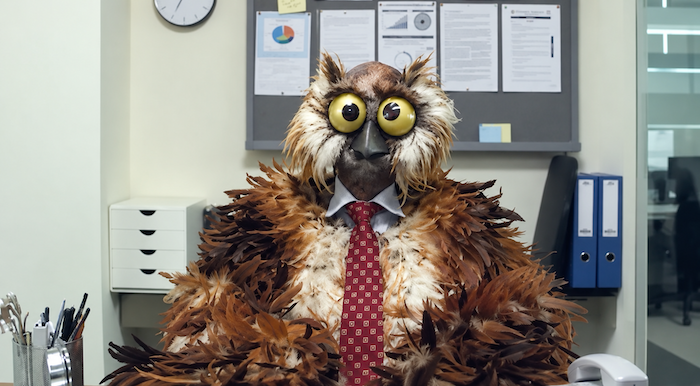
A close look at BSE-30 companies tells you a lot, especially when you view them through the lens of conscious capitalism
Editor's note: Billionaire investor and philanthropist Warren Buffett famously said: “Only when the tide goes out you discover who is swimming naked.” Buffett said these words before the 2008 crisis triggered by the collapse of Lehman Brothers, when several large financial institutions were caught unawares by falling home prices in the United States. Since then, there have been many interpretations of what exactly he might have meant, but largely it was understood that when times are good, the tide lifts even the less competent performers. If you were, for a moment, to interpret what he said in terms of how companies deal with what they tout as their most valuable resource—human capital, then there are some interesting trends to discern. When conditions are normal and all seems well with the world, it is not uncommon to find reams written on employee welfare by companies in their annual reports. But, how do they fare when their business prospects take a turn for the worse? More specifically, how do India’s biggest companies fare when the going gets tough? To get a broad picture, we …
FY26 numbers show that Airtel is stealing a march on its larger rival on most counts and is unrelenting in its ambition, casting a cloud on Jio’s valuation.

Abu Dhabi’s Aldar and Dubai Residential REIT deliver strong earnings, UAE exits OPEC amid rising Gulf tensions and other news updates.
Telecom and retail both continue with their ‘hit and miss’, while O2C delivers an unsurprisingly poor performance in Q4. This is a year RIL will be glad to see the back of.
FY26 numbers show that Airtel is stealing a march on its larger rival on most counts and is unrelenting in its ambition, casting a cloud on Jio’s valuation.
Abu Dhabi’s Aldar and Dubai Residential REIT deliver strong earnings, UAE exits OPEC amid rising Gulf tensions and other news updates.
Telecom and retail both continue with their ‘hit and miss’, while O2C delivers an unsurprisingly poor performance in Q4. This is a year RIL will be glad to see the back of.